Friday High-5: Set Pieces Amongst The Stars
Words: J. Wood
Sir Ridley Scott returns this week with The Martian. I have already had the chance to see the film version of Andy Weir’s novel which is fantastic, somewhat making up for the last decade and a half of utter clunkers, but for the purposes of this list will not be considered for contention. Science Fiction has made much of space over the years, but while the likes of Star Wars and Star Trek have giant space battles and weird species, the films on this list go by the mantra that less is more. These are relatively small films with minimal cast lists, an under-reliance on gunfire and explosions, and ideas at their very heart. Without further ado, here’s the list.
5: Gravity (2013)

Having received huge acclaim in its build up, followed by a backlash by some claiming it just to be a lightweight technical exercise, I can only say that Gravity has changed the landscape of cinema. Although the story is indeed very thin on narrative, that is all it needs. The premise of two people cut adrift in space has very few ways to turn without becoming ridiculous. It is also wrong to decry the humanisation of Sandra Bullock’s Dr Ryan Stone, as these are the things that provide the audience with an emotional involvement. As for the technical wizardry it is plain to see that the film has broken new ground. The first twenty minutes feels like a NASA film about its explorations of space such is its seeming accuracy in portraying the difficulties and hostile environment that astronauts face. The film is an edge of your seat thriller that keeps you guessing its conclusion right up to the dying moments of the film. It is a better film than The Martian as a space thriller, but could possibly do with some of the levity of Ridley Scott’s new film. Bullock’s performance is sublime and the quieter moments work solely due to her, and for me the film works so well due to these quieter moments.
4: Apollo 13

The only film on this list that has more than a vague grounding in a true story is one of the most popular, enduring films of the 1990s. Ron Howard creates a great populist cinema piece with this film based on the first real disaster of the space race. Starring Tom Hanks as Jim Lovell, commander of the Apollo 13 mission, the film carries Hanks’ every-man likeability throughout, as a brilliant cast including Gary Sinise, Bill Paxton, Kevin Bacon and Ed Harris (who would later reprise this role for Gravity) really helps the audience invest in the survival of the three men trapped in space. There is a very interesting sub-plot going on throughout the film about the public’s already waning interest in the US space program that keeps the film ticking along. The real reason to love Apollo 13 though is how well it winds up the tension throughout, makes you really feel a sense of danger for the three men, that despite it being a true story the outcome is constantly in doubt. This is when Ron Howard is at his best, crafting great characters with realistic effects, he can be an underrated filmmaker but his work here is second to none.
3: Moon (2009)

Duncan Jones really announced himself as a director with this thoroughly original feeling science fiction film that still has many references to science fiction greats of the past. Sam Rockwell is Sam Bell, lone operator of a mining site on the moon with only a robot named GERTY for company. The film descends into a series of labyrinthine twists and turns of corruption and multiple versions of the main character. In my opinion Sam Rockwell is a hugely underrated actor and his nuanced performance(s) as the multiple iterations of Sam Bell prove how great an actor he is and how much he can do with very little. Kevin Spacey’s sardonic tones are perfect for GERTY, obviously inspired by HAL 9000 in both looks as well as motivations, and who provides a perfect foil for Rockwell as the plot becomes ever more convoluted and reminiscent of Soylent Green. Although I have never quite bought the ending, the 87 minutes leading up to it more than make up for it.
2: Sunshine (2007)

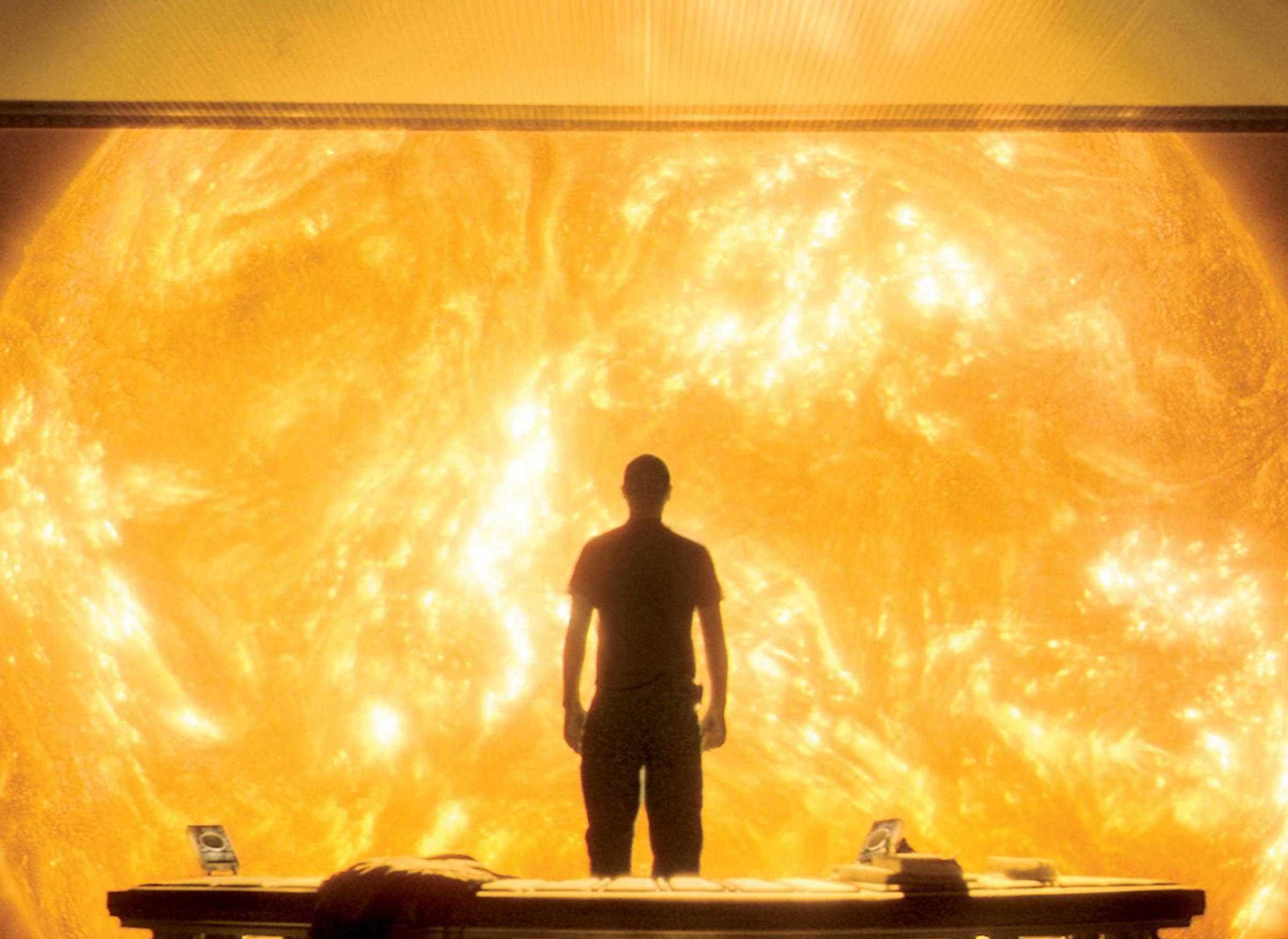
Danny Boyle is one of the few mainstream, well recognised directors who finds it easy to hop between genres from film to film. In between the critical successes of 28 Days Later and later on Slumdog Millionaire and 127 Hours he made Sunshine which is for me his forgotten masterpiece. Set in a near future in which the Sun is failing, Earth is sending its second mission, the Icarus II, to use nuclear energy to kick start the fading star following the failure and mysterious loss of Icarus I. Populating the cast with relatively unknown actors, as well as a few better known stars they give a great impression of a group of people forced together with very little in common ground creating a palpable tension. Although some criticise the film’s final act for descending too far into slasher territory with the introduction of another character, as well as what some describe as heavy handed religious messages. For me this section bowled me over with both its audacity and execution and as a final confrontation few films of recent years have come close.
1: Alien (1979)

‘In Space No-One Can Hear You Scream’ is a tagline still in the popular consciousness today a full 35 years after the release of Ridley Scott’s masterpiece, even in the aftermath of the fantastic The Martian. Such is the popularity and importance of the film that this could sit right at the top of both sci-fi and horror lists. Although its name has been sullied by an ever worsening series of sequels, prequels and spin-offs it still stands the test of time. From giving us Sigourney Weaver’s Ripley, still the definitive action heroine even today, throughout the rest of the cast the roles of what are essentially space truckers are played with the right amount of world-weariness that the monotony of space travel would surely induce. The titular Alien is one of the definitive cinematic creatures, developing from the sexual imagery of its initial face-hugger, which has further clear female empowerment motifs, such as recur throughout the series, and the chest-burster, responsible for one of cinema’s most iconic scenes through to its sleek adult form complete with acidic blood. Although the film has a rather simple premise it is impossible to outline all the complexities here, but for a terrifying thrill ride through space with one of the great fictional creatures, look no further than Alien, the film that inspired a generation.
Everest

2015/ UK, USA, Iceland
Director: Balthasar Kormakur
Starring: Jason Clarke, Josh Brolin, Jake Gyllenhaal
Words: J Wood
“…The human body was not built to function, at the cruising altitude of a 747”
As soon as one of the characters of Everest utters these words, fairly early into proceedings, the film very cleverly raises the stakes somewhat. For most people, the dangers in climbing Everest lie in the physical manifestation of the mountain, with its sheer ice sheets, vertiginous drops and plummeting temperatures. To throw into the mix that the bodies of those involved in a summit attempt are dying just adds further perspective to this already dangerous endeavour.
Simon Beaufoy and William Nicholson have written Everest from the various accounts of the survivors of May 10th 1996 and its aftermath. This was the day when the dangers of the commercialisation of high-altitude climbing expeditions became all too real, as a crowded mountain, ill equipped climbers and the added pressure of the presence of writer Jon Krakauer led to numerous mistakes and errors in judgement being made, and the single deadliest day on Everest. Beaufoy and Nicholson have used Krakauer’s Into Thin Air as the basis for this script, bringing other material in when necessary. Structurally they have constructed a film that most closely resembles a 1970s Disaster Movie, only one that is depicting true events. With a wide cast of familiar faces and numerous storylines going on at once, this was a risky move, yet it was one that ultimately offers an exceptional pay off.
The cleverest move the script makes is to have a very good go at being as true to life as is possible in what is ostensibly a movie made to entertain rather than document. I have seen the film twice now, once in IMAX and once in regular 2D format, but more on that later. In between these viewings I devoured Into Thin Air in one evening, with the view of using my second viewing to search for mistakes, inaccuracies and melodramatic constructions within the film. It struck me whilst reading the book that, controversies around some of its depictions of the characters aside, the film offered pretty much the same interpretation of events, albeit in a more balanced way. There is one moment in the film that concerns the levels of oxygen in some previously stashed bottles that is left open by the film, while the book, from its viewpoint of hindsight, offers a greater explanation and closure of this incident. Otherwise the film is very nifty at how it deals with moments that are unknowable, thanks to a lack of surviving witnesses.
The film has amassed a cast of names that specialist film lovers will drool at, yet cleverly chooses not to really cast a ‘marquee name’ but rather a group of actors that would make up a ‘that guy’ list. The female stars may be somewhat underserved, Robin Wright especially has very little to do in her meagre screen time while Keira Knightley is capable of a much greater range of emotions than her fairly one note character has to display. Conversely Emily Watson manages to steal the film away from her more prominently billed co-stars as the base camp manager, who has to hear all the disasters that are happening on the mountain while being helpless to offer assistance. It is a difficult role that she pours her heart and soul into, and the role that most corresponds with an emotional output for the audience to tap into. The problem with the male characters, Sam Worthington aside, is that in the dramatic final act they all become one and the same. Josh Brolin’s domineering performance as Beck Weathers had already somewhat overshadowed the work of Kelly and Hawkes in the build up to the climb, and although Jason Clarke continues his campaign to be the most dependable, yet underrated actor working today with a stoic performance as Rob Hall. He is essentially the lead of the film, features most prominently throughout and acts as a steady anchor point for the other performers to work from. More surprisingly Jake Gyllenhaal, the closest thing the film has to a real star on the mountain, feels somewhat lost in translation, as though his character was a secondary thought that occasionally leapt across the collective synapses of the screenwriters. Although all these performances are all well and good, they do not quite generate the emotional pay-off in the third act that the build-up suggested, simply because the film cannot find a way around the fact that, in disaster, these are all simply men with snowy beards dressed in varying colour North Face climbing gear and sunglasses. In short they all meld into one in the final act.
Of course no discussion of Everest would be complete without considering the majestic technical achievements Balthasar Kormakur and his cinematographer Salvatore Totino have made in bringing this film to screens. The build up to the final act is used not only to introduce the characters and develop them, but also to introduce the concept that Everest looms large over all. Every outdoor shot features the vastness of the mountain, and subsequently the impending challenge. This vastness is accentuated by a series of sweeping shots that are beautiful to look at while at the same time once again emphasising to the audience the enormity of the film’s scale. That being said for me the greatest technical achievement of the film is making the audience feel that these Hollywood A-Listers are all suffering for their craft. There is a chill factor over the entire film, the air looks cold, the actors look cold, and even the special effects that are effortlessly melded in to create the storm seem cold. As far as the 2D versus 3D debate goes, while I did enjoy the scale offered by the IMAX, I do wish that it had been a 2D projection. The 3D blurred all too easily were I to just catch the film at the wrong angle, while the additional brightness offered by the 2D helped make clearer the darker, stormbound shots.
I was accompanied by a friend to my second viewing and, though she enjoyed the film, expressed her surprise at how bleak the film’s outcome was. Despite some triumphant moments towards the end of the film, it is a very downbeat film. I was totally mesmerised by the drama and the cinematic experience of the film. It took me from disinterested to devouring an entire book about the subject in an evening with just one viewing, for me a measure of a special film. It is not without its flaws, although I would counter that these flaws are inherent to the story. Either way expect to see an exhilarating, emotionally draining film that will leave you awestruck, and remain with you long after the credits roll.
Friday High-5: Take Me To Hollywood!

Words: J. Wood
The release of Life this week sees Anton Corbijn, whose best film is still his Joy Division/Ian Curtis biopic Control, take a look at James Dean, and his relationship with Life Magazine photographer Dennis Stock. This got me thinking, Hollywood often takes a look at itself, and in fact the last few Oscars have seen The Artist, Argo and Birdman win Best Picture Awards. Sometimes these films can be positive about Tinseltown, sometimes the more subversive filmmaker creates a thoroughly depressing, scabrous film about Hollywood. From grand epics, loving homages, odd, surreal masterpieces and downright brutal trashings, I take a look at the five best films made about Hollywood, by Hollywood, for Hollywood.
5: The Aviator (Martin Scorsese) – 2004

Having made a career defined by his epic biopics, usually starring Robert De Niro, the latter day partnership between Martin Scorsese and Leonardo Di Caprio took on the subject of Howard Hughes in this near three hour film. To me this has always been Scorsese-light, which if nothing else proves just how high the standard of Scorsese’s filmmaking is. This film beat a proposed Christopher Nolan project into production and, along with Steven Spielberg’s Catch Me If You Can, is the first example of Di Caprio’s evolution from baby-faced heart throb to genuine serious actor with screen presence. Hughes is a hard character to play, such is the scale of the period covered and the many facets of his character displayed throughout the film and, despite the confident younger Hughes coming very easily to him, it is his work as the older, more troubled Hughes that impresses more. Like all Scorsese films the design and achievement in capturing the environment it plays out in is phenomenal, yet sometimes the film feels a little structured, with the endless sequence of walk-on cameos a touch distracting, although the performances from Alan Alda, Cate Blanchett and John C. Reilly are brilliant.
4: Barton Fink (Joel & Ethan Coen) – 1991

Next year sees the return of The Coen Brothers with their Hollywood set Hail Caesar, but until then, why not bask in the underrated brilliance of their 1991 noir, Barton Fink. John Turturro gives one of his very best performances as the eponymous character, a feted New York screenwriter with lofty aspersions of representing ‘the common man’, whisked off to Hollywood to do a generic wrestling film. This film is very good at showing what goes on behind the scenes of Hollywood, this is not a film about actors and directors and films actually being made, but this shows a world populated by screenwriters, producers and studio executives, all battling to get their visions to the screen. Much of the film goes away from this, instead showing the slow descent into madness of a man isolated from what he presumes his vision to be, while faced with larger than life characters (played as always by John Goodman). Barton Fink is as close to horror as the Coens have ever gotten, and they prove to be exceptional at it. The whole film is eerie, with the seedy motel and unexplained happenings only heightening the tension, but it is the clever writing that makes a film about writing so interesting, if very unexpected.
3: Maps To The Stars (David Cronenberg) – 2014

When Canadian horror maestro David Cronenberg turned his eye to Hollywood, something he has always been distanced from, the results were unlikely to be pretty, in fact, this is possibly the ugliest portrayal of the town on screen ever, and also one of the most brilliant. Julianne Moore turns it up to eleven as Havana Segard, a B-List actress who displays all the trappings of self-entitledness and more, desperate to play the same part as her mother once did in an upcoming remake. Her path crosses with the family of her therapist (Cusack), whose teenage son has been turned into an addicted monster by child stardom, while the obligatory P.A. and limo driver hold jaded yearnings for stardom. There is not one character in Maps To The Stars that has not been utterly twisted beyond all humanity by Hollywood, and the daringness of Bruce Wagner’s warts and all screenplay in showing this is truly breath-taking. Cronenberg coaxes utterly brilliant performances out of his entire cast, but particularly Moore, who is genuinely unnerving as the woman teetering on the edge of sanity because of her misplaced desires. This is the one film on this list that I am really surprised got made, given that there is no redemption for its setting at all. Had anyone else tried to do this kind of material it may have felt a little forced, but Cronenberg’s history adds a certain relevance to proceedings that is integral to the film’s success.
2: Ed Wood (Tim Burton) – 1994

Ed Wood was a film director from the 1950s who made cheap monster B-Movies widely known as ‘the worst movies of all time’. That he made for an interesting subject for Tim Burton, who at the time was one of the few mainstream directors whose love of these films was well known, was fairly obvious. Shot in the same monochrome style as Wood’s movies were, it is clear that Burton had no interest in mocking Wood’s inabilities, but rather paying a loving homage to someone like him, who made films for the joy of making films rather than any other motive. It helps that Ed Wood is an interesting subject in himself, a man who will stop at nothing to get his films made, be it casting ill-suited chiropractors as body doubles, having his whole troupe baptised to get funding, or using a psychic for movie making advice. Although the film plays his two relationships nicely, bringing out the struggles he had as a cross-dresser, it is his friendship with an ageing Bela Lugosi that is the backbone of this film. Martin Landau is very worthy of his Best Supporting Actor Oscar for his portrayal of Lugosi, while as the ever optimistic Wood, Johnny Depp has never been better. Neither for that matter has Tim Burton, whose recent downward spiral could be halted by forgetting the gothic mannerisms he has inbuilt into his output and remembering back to a time when he made films for the sheer enjoyment of it.
1: Mulholland Drive (David Lynch) – 2001

A failed attempt to create another Twin Peaks ended up producing David Lynch’s most debated film, and one of its best. This has more of the feel of Maps To The Stars, given its subject matter about the chewing up and spitting out of young starlet’s dreams, yet this being Lynch there is so much more. I have seen this film over twenty times and yet I am still not 100% on what happens in it, suffice to say that jumbled time frames and extended dream sequences play a major part. This is the film that introduced the world to Naomi Watts, here playing Betty, fresh off the bus to be a star in Tinseltown, before joining amnesiac ‘Rita’ to find her identity. What sets out as a Nancy Drew like storyline becomes more and more disturbing and surreal as their investigations lead them to ‘Club Silencio’, while at the same time Justin Theroux’s director Adam Keshner battles mafia influence on his latest film. I do enjoy Lynch’s love affair with the 1950s, and the studio lot sequences just scream this period, all Formica and doo-wop music, which is utterly wonderful. Even though the film offers one of the more convoluted resolutions of modern cinema the viewing experience is as ever a rewarding one, with gorgeous cinematography and Angelo Badalamenti’s finest hour as a composer, with his haunting score a perfect accompaniment to the nourish atmosphere. Over the years since this film first beguiled me I have read many articles claiming to definitively offer an interpretation to the film, but my advice would be to sit back, relax and let this utterly unique film wash over you.
Me And Earl And The Dying Girl

2015/ USA
Director: Alfonso Gomez-Rejon
Starring: Thomas Mann, RJ Cyler, Olivia Cooke
Words: R. Topham
At the request of his pushy mother, high school hero Greg Gaines befriends fellow student Rachel, who’s recently been diagnosed with leukaemia. Me and Earl and the Dying Girl is Greg’s experience of the awkwardness and “I have no idea what I’m doing” dilemmas of teenage years, and the pains and pleasures of investing in a meaningful friendship.
Like one of the better Woody Allen films, the story is broken into ‘parts’ and narrated by Greg throughout. Greg’s subconscious is so wild, a poster of Wolverine in Rachel’s room talks to him and questions his choice of rhetoric around her. There’s an innocent yet naturally erratic and clumsy characteristic to Greg that is one of the frankest depictions of an adolescent wallflower there’s been since Cameron Frye in Ferris Bueller’s Day Off. He’s reluctant to call anyone a ‘friend’, and so Earl, who Greg has known since they were very young, is merely his ‘co-worker’ in making and recreating films (‘A Sockwork Orange’, Stanley Kubrick’s classic with sock puppets is a personal favourite) and he regards his inseparable friendship with Rachel as ‘doomed’ from the start because of her illness.
The film is an admirable example of creativity and originality, such as the interweaving of animation to portray Greg’s imagination and the intimate camerawork. But it’s the diversity of the characters that really anchors the likability of the film: from the hipster history teacher to all the personality types you can think of shown Mean Girls-esque in the school canteen, Greg’s hippy father to Rachel’s alcohol dependent mother, there really is something for everyone to identify with.
Me and Earl and the Dying Girl is as quirky and witty as it is lachrymose and slightly depressing, an understandable and well-handled balance given the subject matter being tackled. It doesn’t confront cancer by pairing it with romance like The Fault in Our Stars does, but instead highlights the weird and wonderful coping mechanisms people use to deal with the emotional turmoil the disease inflicts on the victims and those around them. This is a refreshing, contemporary comedy drama that successfully reflects the reality of teenage communication and interaction without straying into the unnecessary ‘romantic comedy’ territory that most teen films aim for.
Friday High-5: Two’s Company

Words: J. Wood
Brian Helgeland’s Legend is released this week starring Tom Hardy playing both Ronnie and Reggie Kray. Previously the similar looking Kemp brothers were used to play the East London gangsters but finally we get to see the twins played by a single actor. This got me thinking, what have been the best performances by a single actor playing two roles in a film? By that I do not mean an Eddie Murphy style dress-up-athon like Norbit or The Nutty Professor but a film in which an actor is required to play two characters alike in appearance but nothing else. Quite often the editing and special effects team gets a lot of praise for the technical side of such an achievement but an actor, playing two similar roles in the same frame is often fascinating. I am thoroughly looking forward to seeing Tom Hardy tackle this challenge in Legend, but until then, here are my favourite dual performances.
5: Armie Hammer in The Social Network (2010)

The Social Network was a surprisingly excellent film about the founding of Facebook, which on paper sounded rather dull. While Jesse Eisenberg was Oscar nominated and Andrew Garfield was supposedly snubbed, very little attention went to Armie Hammer playing the Winkelvoss twins (referred to brilliantly as The Winkelvii). They are really very little more than self-entitled Ivy League jocks, and the film neither presses to make them into anything more or challenges Hammer’s performance particularly. What he does is very effectively create two characters with an identical goal and reason to be aggrieved but creates a conflict between them as to how to act upon this. These are the two most similar characters on this list and they are not the most exciting, but without Hammer’s clever nuances could have been deathly dull.
4: Jesse Eisenberg in The Double (2014)

Richard Ayoade made his adaptation of Dostoyevsky’s The Double, about a man usurped by a doppelganger without anybody noticing, as a kind of Orwellian post-industrial nightmare. Much like Denis Villeneuve’s similarly premised Jake Gyllenhaal starring Enemy, the film’s stylistic flair comes at the undoing of narrative clarity. The Double is the better of the two films thanks to Jesse Eisenberg’s performance. This is the role(s) that Eisenberg was born to play, for it allows him to utilise his two on screen personas to great effect. The original Simon James is a mass of neuroses and tics while his usurper, James Simon, is a charming yet creepy character who gets under the audience’s skin while being the apple of the film characters’ eyes. I would have loved for Ayoade to have made a better film of a fine novel, but at least what he brought to screen allowed Eisenberg a rare opportunity to fully show his whole range, and prove himself one of the most underrated young actors working today.
3: Dominic Cooper in The Devil’s Double (2011)
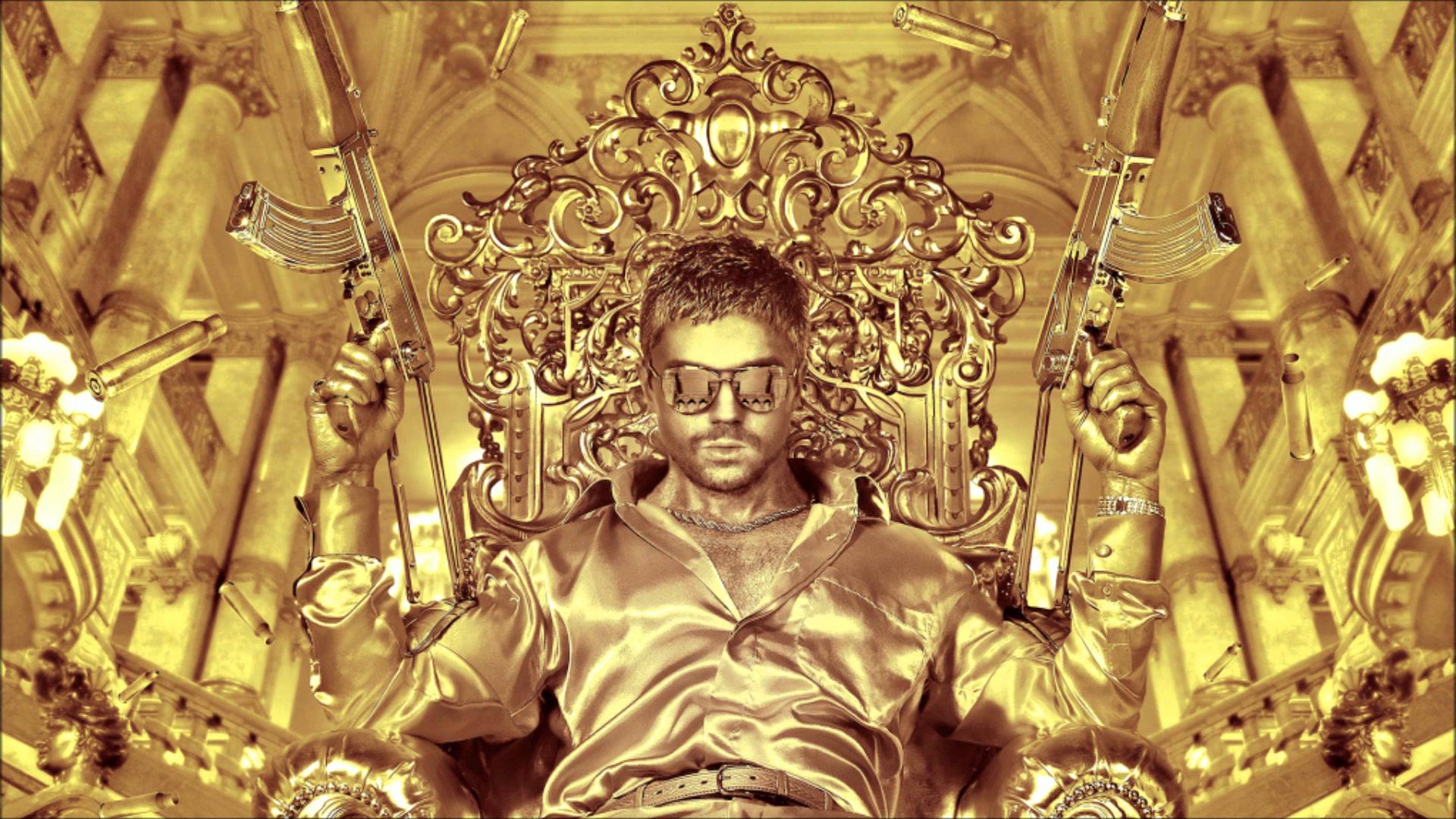
The most unique film on this list sees Dominic Cooper give the best performance of his career as Uday Hussein, psychotic son of Saddam, and Latif, the soldier forced to become Uday’s double. Not one to pass up an opportunity afforded to few actors Cooper is simply sensational in the role of a lifetime. While Latif is initially a dull, boring, honourable character with morals Uday offers Cooper the chance to let rip with his crazed, murderous personality and rabid dog actions. From the voices, to the mannerisms it is clear to see which of the characters is which at any one time, and it is clear to see how much fun Cooper is having away from his usual restraint as Uday. One scene sees Latif, as Uday, rallying the troops in the midst of the US invasion of Iraq. Cooper’s performance is such that you can easily tell that this is Latif doing an impression of Uday, that all the fervour and savagery is just an act, and that he maintains his revulsion of his charge’s lifestyle. While The Devil’s Double is certainly a flawed film, there is an intelligent central idea held together by a committed central performance.
2: Nicolas Cage in Adaptation (2002)
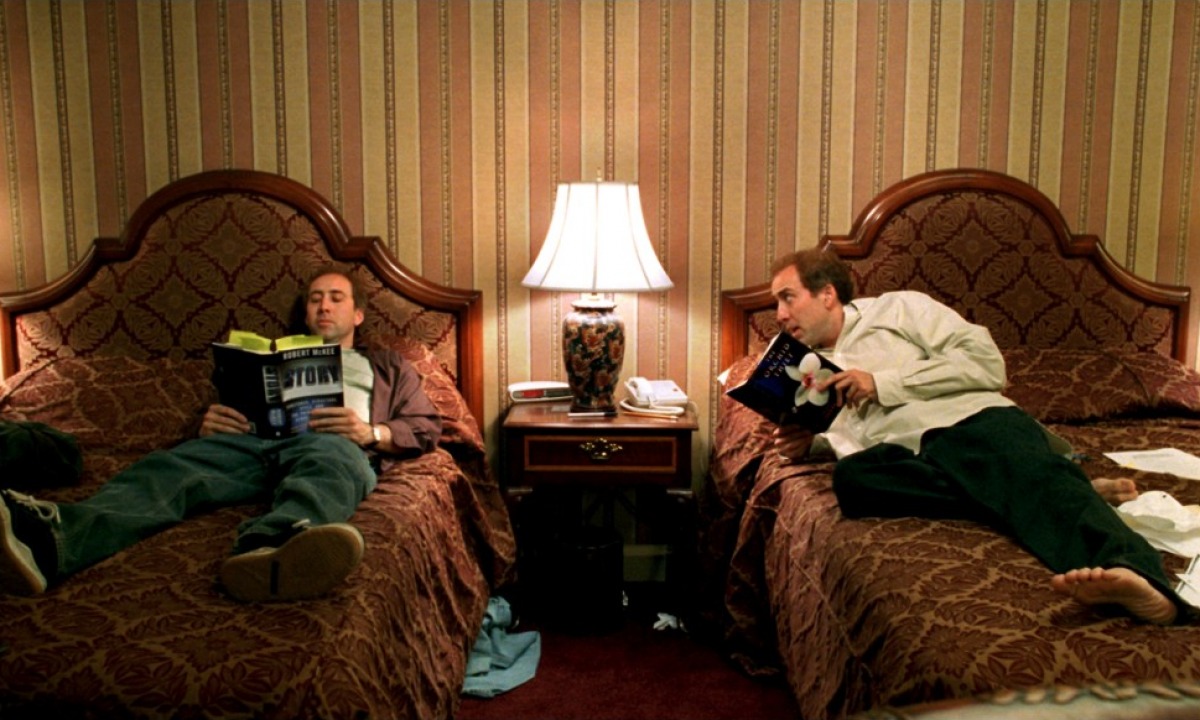
Spike Jonze and Charlie Kaufman’s follow up to Being John Malkovich is a film guilty of trying to be too clever but succeeding in its central casting. Playing both a fictionalised version of the film’s writer, and a fictional twin of the writer, in a fictional film about his actual writers block adapting an actual novel to screen, Nicolas Cage gives what could be his last great performance before his descent into B-Movie schlock as The Kaufmans, one at odds with both the adaptation of an unfilmable book and the success both professionally and personally of his brother. The divide between the characters is fairly straightforward and typical for characters like these, one a confident braggart while the other is a more successful, yet insecure soul. If you ever want a reminder as to just how great Cage can be when he puts his mind to it just make a point of watching this, and see how he overcomes some of the most self-indulgent writing in recent Hollywood history to give a tour-de-force of acting. He manages to make you hate to love the feeble moaner Charlie paints himself as, while also making you love to hate the narcissistic Donald. While both Meryl Streep and Chris Cooper offer great support this film belongs to Cage and Cage alone.
1: Jeremy Irons in Dead Ringers (1988)

Jeremy Irons is simply stunning in one of David Cronenberg’s many masterpieces, this one marking the tipping point where he evolved from being a body horror expert to someone who made thoughtful, cerebral psychologically challenging movies. Irons plays Beverly and Elliot Mantle, twin gynaecologists, at the forefront of their field whose twin based bond sends them into an incredibly dark spiral. Once again exploring the two sides of the coin personality traits, the film’s drama centres around Genevieve Bujold’s Claire, an actress charmed, seduced and conned by the suave Elliot to set up the more reserved Beverly. The film is filled to the brim with typical Cronenbergian weirdness, the sense of which is exacerbated by never being quite sure which twin is which for much of the running time. The cleverness of Irons’ performance is the subtle differences he imbibes his characters with, just enough to vaguely differentiate yet not enough to make it obvious. This is a film in which the audience is made to work and to think in order to get the most from the characters and the drama. The final scene is one of the finest pieces of acting I have ever come across on screen, one that will live long in my memory and one that cements Irons’ place amongst the greats.
Friday High-5: American By Name

Words: J. Wood
The Max Landis scripted American Ultra hits British cinemas on Friday and, despite having received at best lukewarm reviews in the states the presence of the ever interesting Jesse Eisenberg is at least a temptation to go and see it. It has however gotten me thinking, what with the release of this and American Sniper already this year there does always seem to be a prevalence of films titled ‘American’. I decided to look at which ones I liked the most for this week’s top 5 and, despite the higher entries being the easiest choices I have yet had to make, the competition for places lower down the list was as tough as it has been so far.
Check out last week’s Friday High-5 which took a look at the career of actor Zac Efron >>>
5: American Splendor (2003)

Harvey Pekar may not be the first thing anyone thinks of when ideas for biopics come up, and the way American Splendor tells his story is utterly unexpected, but boy is it a joy to watch. For the uninitiated (like myself) Harvey was a lowly file clerk coming off the back of a series of failed marriages when he began to document his mundane existence in an increasingly popular comic book, leading to unlikely love and an even more unlikely brush with fame. The film tells his story while interviewing him, prompting him to voice over the drama. This is a device that works really well and also the integration of the real people from this odd life demonstrates just how spot on all the acting is. The great Paul Giamatti originated his slightly creepy, neurotic everyman routine here and knocks it out of the park, making you fall for this prickly, difficult character. Also look out for Judah Friedlander, whose portrayal of Pekar’s friend Toby is so note perfect it defies belief. The film cleverly flits over Pekar’s comic documented battle with cancer, which could well be a movie in itself, but only with these actors.
4: American History X (1998)

All sorts of things have been said about the controversial making of this film, mostly from director Tony Kaye, and mostly about the influence of star Edward Norton, but whatever went on behind the scenes undeniably created a brutish tour-de-force of a movie. The film stylistically splits itself on two timelines, showing their differences by changing between colour and monochrome, not dissimilar to Christopher Nolan’s Memento. Norton’s breath taking performance dominates the film from start to finish as the neo-Nazi skinhead descending to ever greater depths of hatred in one timeline while seeking redemption as the saviour of his brother in the other. The earlier set, monochrome scenes are by far the most engaging, as the film seems to be egging itself on to show its characters being ever more morally repugnant. Some have called out the infamous ‘kerbing’ scene as being a step too far, but for me it defines the message of the film, and takes it above its Aussie equivalent Romper Stomper. The performance of Edward Furlong does not quite have the magnetism of Norton and does not quite draw the viewer as much, but films with as great a conviction and as powerful an ending as this one should make you sit up and take real notice.
3: American Mary (2012)
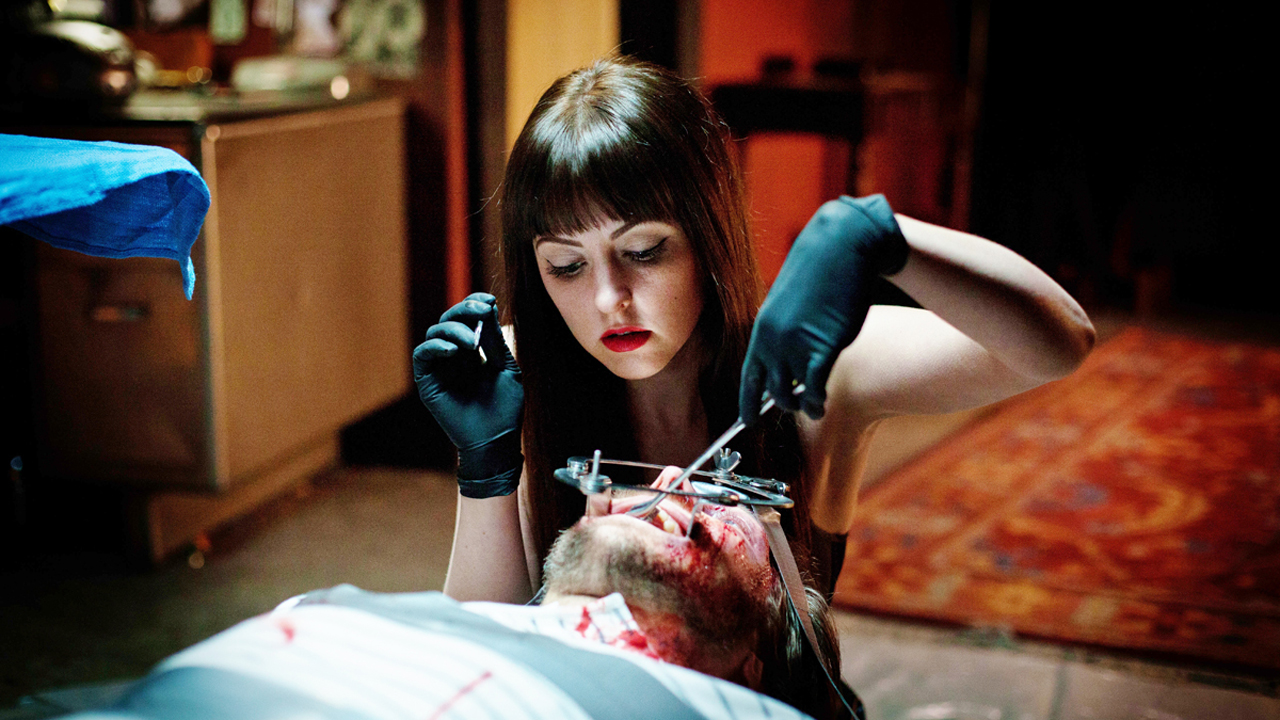
In an age where underground cult horror cinema seems to be vanishing at an ever more rapid rate The Soska Sisters’ effort here really is a shot in the heart of a dying genre. I caught this on a whim while researching for this article and was totally knocked out by it. Taking its cues from the very best of Cronenbergian body horror the film sees the stunning Katharine Isabelle as a struggling medical student who finds that the body-modification sub-culture offers an easier source of income and an easier way of life. The film is a woozy, trippy experience at times, deliberately skipping scenes to disorientate the viewer in a truly effective way. Without being overly graphic it managed to scare me a lot more than both the cheap slasher knock-offs and the prevalent haunted house movies ever do today, while at the same time paying loving homage to a whole bunch of movies I adore, from the Pink Flamingos like Beatrice, through Cronenberg’s work with a whole lot more in between. This may not have the polished film making so many cinema-goers of today are far too accustomed to, but I would strongly urge anyone even slightly interested in expanding their cinematic horizons beyond the mainstream, and who has a strong stomach, to give this a go.
2: American Psycho (2000)
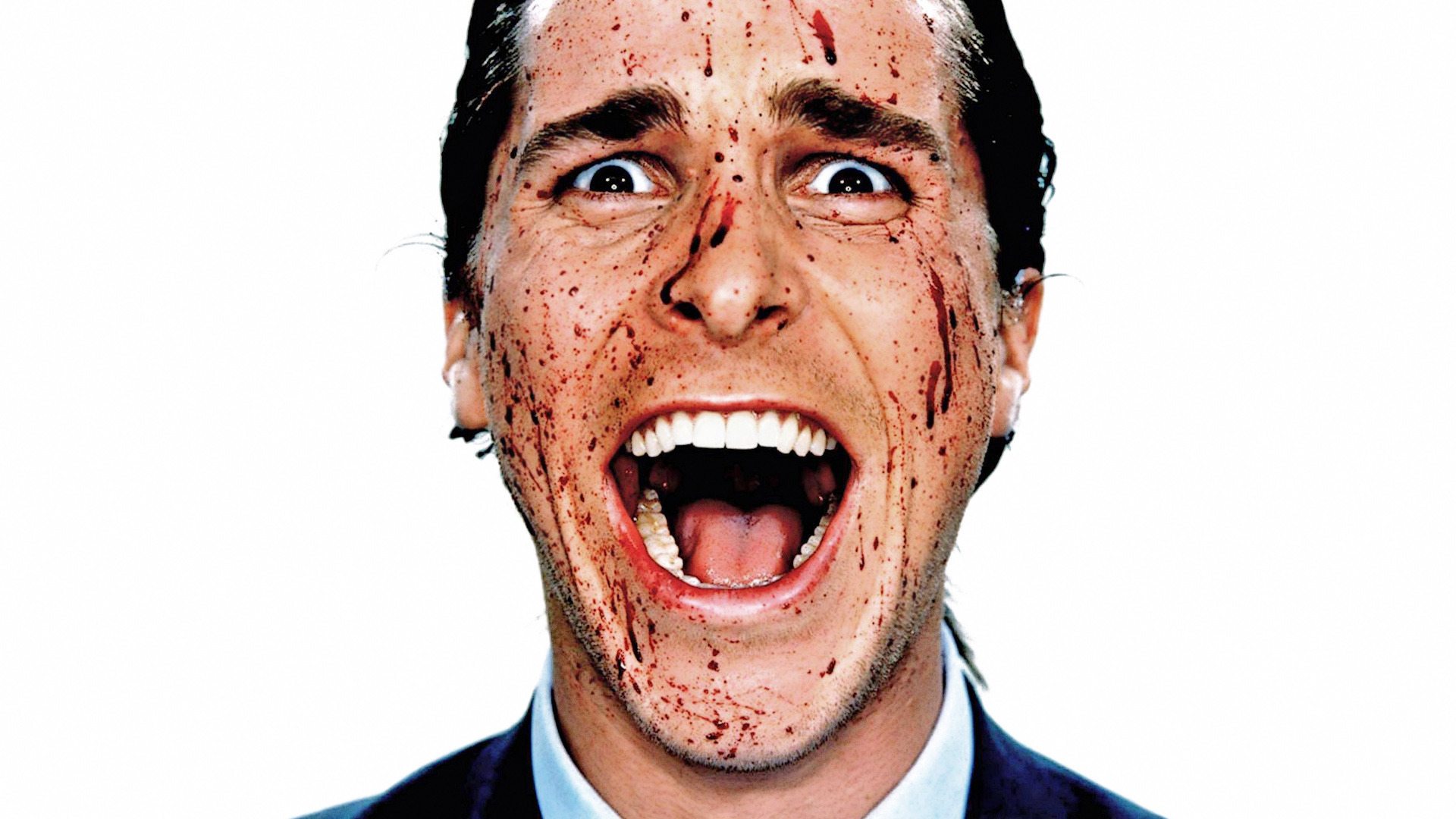
Bret Easton Ellis’ novel is truly one of my favourites, yet reading it makes only one thing abundantly clear, that it is unfilmable. Mary Harron’s film then is a work of true genius, taking what is a really gruesomely narcissistic horror novel with undertones of timely satire and turning it into a mockery of the ‘Greed Is Good’ banking community in the late 1980s, just with mass murder thrown in for good measure. Could anyone other than Christian Bale have played Patrick Bateman? I think not! From that now iconic opening monologue, introducing the audience to the character via his vainglorious workout and moisturising regime, Bale captures the dead behind the eyes disconnectedness of his character, while at the same time his committing monstrous acts of violence while dissecting naff 1980s pop music makes this truly his finest hour. In one scene his character becomes agitated at the lack of attention his new business card is getting compared to his rivals’, and in that one scene he manages to be comedically petulant yet scarily murderous all at once. The film’s supporting characters are all filled by interesting actors yet none are particularly given a lot to do, but with Bale as great as he is, they simply are not needed.
1: American Beauty (1999)
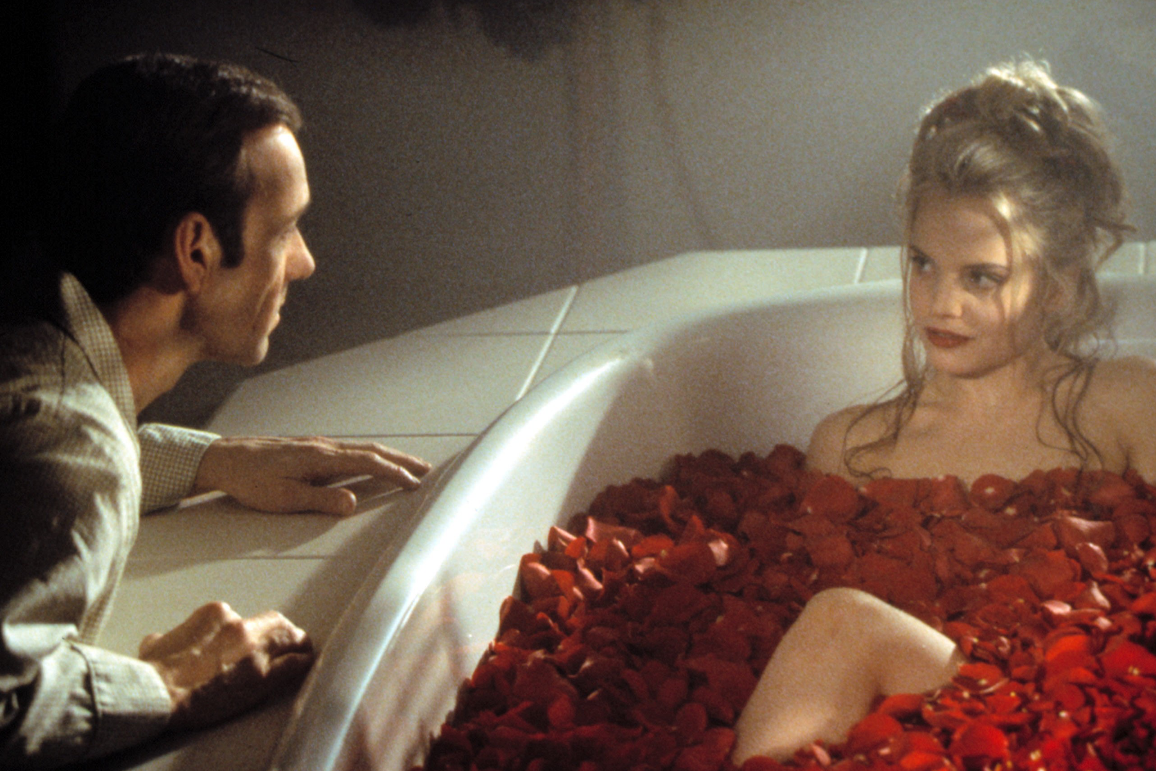
At number one on this list is a film that has held a very important place in my heart since my interest in films first ignited. Like David Lynch’s Blue Velvet, Sam Mendes’ stunning drama takes a look behind the idealised façade of the American Dream to find the unhappiness and horror that really exists. Kevin Spacey has made a career of being the best thing in every movie in which he appears, but this is his finest hour. As Lester Burnham he physically grows from the sad sack advertising worker who is emasculated at home, using his natural wit and charm to bring his character to life, and utilising the uptightness of the rest of the cast to bring a very dark comedy from this. The film explores some very dark subject matter, like adultery, a Lolita-esque obsession, drugs and repressed homosexuality, yet it never feels heavy or dark. From the moment the camera swoops over some non-descript identikit American suburb to the strains of Thomas Newman’s unique score, the film washes over you. The supporting cast give a series of increasingly fine performances but this is Spacey’s film, and he truly deserved his Oscar. Sam Mendes has never quite attained these levels of greatness since, and I am doubtful that he ever will, but anyone who can claim to have constructed those rose petal filled fantasy shots has enough to be proud of from a few brief moments to last an entire career.
The Man From U.N.C.L.E.

2015/ UK
Director: Guy Ritchie
Starring: Henry Cavill, Armie Hammer, Alicia Vikander
Words: J. Senior
It’s safe to say that people don’t tend to get too excited at the announcement of a new film by Guy Ritchie. But what I’ve always wondered is, why not? Apart from the unspeakable movie he made with Madonna, Ritchie has always managed to entertain in spades. Early offerings Lock, Stock and Two Smoking Barrels and Snatch were British gangland flicks at their very strongest. You’d have to search long and hard to find people that didn’t enjoy Brick Top or Brad Pritt as a bare knuckle gypsy boxer for example. Where these films have transferred into almost cult status buy now, Ritchie has continued to adapt and his film output now, although having taken on a different genesis altogether continues to display what a talented director he is. After 2008’s RocknRolla Ritchie then made the conscious choice to step into the realm of the blockbuster. And thus we come to his latest film, The Man From U.N.C.L.E, a remake of a 60’s TV show featuring current Superman (Cavill) as U.S. Agent Napoleon Solo facing off against The Lone Ranger himself (Hammer) as KGB agent Illya Kuryakin… surely these aren’t the ingredients for a good film… but that’s where you’re wrong. It may be yet another US/ Soviet stand off movie, and it may feature two rather uninspiring actors in lead roles, but it’s worth an investment of your time.
Cast your mind back to 2009, in the early days of Robert Downey Jr’s renaissance, hot off of Iron Man, the motor mouthed America actor was cast and starred as the lead in Sherlock Holmes Ritchie’s big budget debut and Hollywood water mark. While it deviated from the source material somewhat and played fast and loose with the traditional Sherlock Holmes formula, there can be no argument that this film, and 2011’s sequel Sherlock Holmes: A Game of Shadows, entertained sufficiently. Downey Jr. in the lead role turned out to be a perfect casting choice alongside Jude Law as Dr. John Watson. Ritchie did this by keeping the character’s key elements in place and accentuating them for dramatic and comedic effect. His Sherlock double-feature, whilst not being serious or high on the scale of art, is an impressive set of work considering Ritchie’s meagre film making origins.
The casting choices in The Man From U.N.C.L.E deceive you into thinking there will be precious little to love from the off. Neither Cavill or Hammer have either set the world alight in the acting stakes. Cavill was passable in Man of Steel and aside from the flop that was The Lone Ranger Hammer has only gained slight ounces of recognition from his role in The Social Network where he played a set of identical twins. The two of them here are simply fantastic though. Cavill is slick, suave and every other line he spouts is an innuendo of sorts. He is clearly relishing his part here and putting in his strongest performance to date. Hammer’s tortured Soviet agent has anger issues, and is tormented by the noises of rumbling Red Army tanks and jack boots on the cold concrete floors of The Gulag. An audio-anecdote that reoccurs whenever he is emotionally strained. The two compliment each other perfectly, like champagne and caviar. They drive the film forward and actually make light of a rather simple and cliche script.
The film’s source material, while being well known, is far from as notorious as Arthur Conan Doyle’s famous character. However, this really plays into a younger viewer’s hands. Having never seen the TV series I went in with no preconceived ideas about how the film should portray its characters or what tone it should take.
It is in fact, not just a good film, but possibly one of the most enjoyable films of the year so far, simply for the fact that it doesn’t take itself seriously. The reason why James Bond is so beloved the world over is because in the beginning the films that portrayed him were like this, tongue-in-cheek with aspects of high action and intrigue. The Man From U.N.C.L.E. is quite simply Guy Ritchie’s love letter to 60’s spy movies, and he is unflinching in his approach throughout. The costumes, vehicles and editing are all executed to perfection. There was a clear cinematic obsession here to make sure all of the tiniest elements synced up correctly. Roger Moore wouldn’t be out of place at one of the Italian bars sipping a Martini with a raised eyebrow whilst Solo and Illya sneek their way into a bank vault.
The film embraces stereotypes but at the same time subverts them in order to embellish aspects that would seem outdated to a 21st Century audience or for comedic value. Alicia Vikander isn’t simply the “Bond Girl” of the piece, in fact she can drink more Vodka than Hammer’s KGB agent, she can fight for herself, fix car engines and isn’t there to simply be an attractive object. In fact Cavill’s Napolean Solo couldn’t be less attracted to her if he tried, he seems completely disinterested in her as an object of sexual desire and treats her more like you would an equal or a colleague. The opening sequence in which they drive at breakneck speed through Cold War Berlin exemplifies this greatly.
The villains are all so ridiculous as well that it’s impossible to take any of them seriously; here you have a mad Nazi scientist with a penchant for torture, a cold and calculated British heiress with dollar signs in here eyes and an Italian race car driver turned mobster. All are played for laughs and only serve the world of the film by being ridiculous and fantastic to watch all at the same time.
Like his Sherlock movies before The Man From U.N.C.L.E. again displays Ritchie’s talent for tackling the genre-movie in a contemporary and engaging way. It’s probably time that people stopped being underwhelmed by the news of his latest films, because if his next project is anything to go by (a reboot of Arthur and the Round Table featuring Sons of Anarchy alumni Charlie Hunnam in the titular role) then we’re in for more of the same. And that really isn’t a bad thing.
The Brood (1979)
1979/ Canada
Director: David Cronenberg
Starring: Oliver Reed, Samantha Eggar, Art Hindle
Words: O. Innocent
Before mutating himself into a director of dark dramas and thrillers, David Cronenberg was quite possibly the ultimate horror auteur. Birthing a subgenre all his own and imbuing every project with his own unmistakable style, Cronenberg preoccupied himself with making confrontational films with controversial subject matters, the likes of which no other director has even come close to topping. Cronenberg’s early films focused on a very particular facet of horror, that of the body and what might happen if one’s own body started to revolt, mutate and become a monster in and of itself. He began to court controversy almost immediately, with his first feature, Shivers (1975), being likened to pornography with its concept of sexually transmitted parasites converting the repressed denizens of a high rise apartment building into liberated sex-crazed zombies. Rabid (1977) did nothing to abate these accusations, Cronenberg seeming to purposefully rile his detractors with his casting of porn star Marilyn Chambers in the role of a woman with a phallic blood-sucking dart grafted onto her armpit. As if to prove that his extreme form of cinema could be taken even further – had no limits even – along came what is arguably his most antagonistic, difficult-to-watch film to date, the rage-fuelled onslaught on the senses, The Brood (1979).
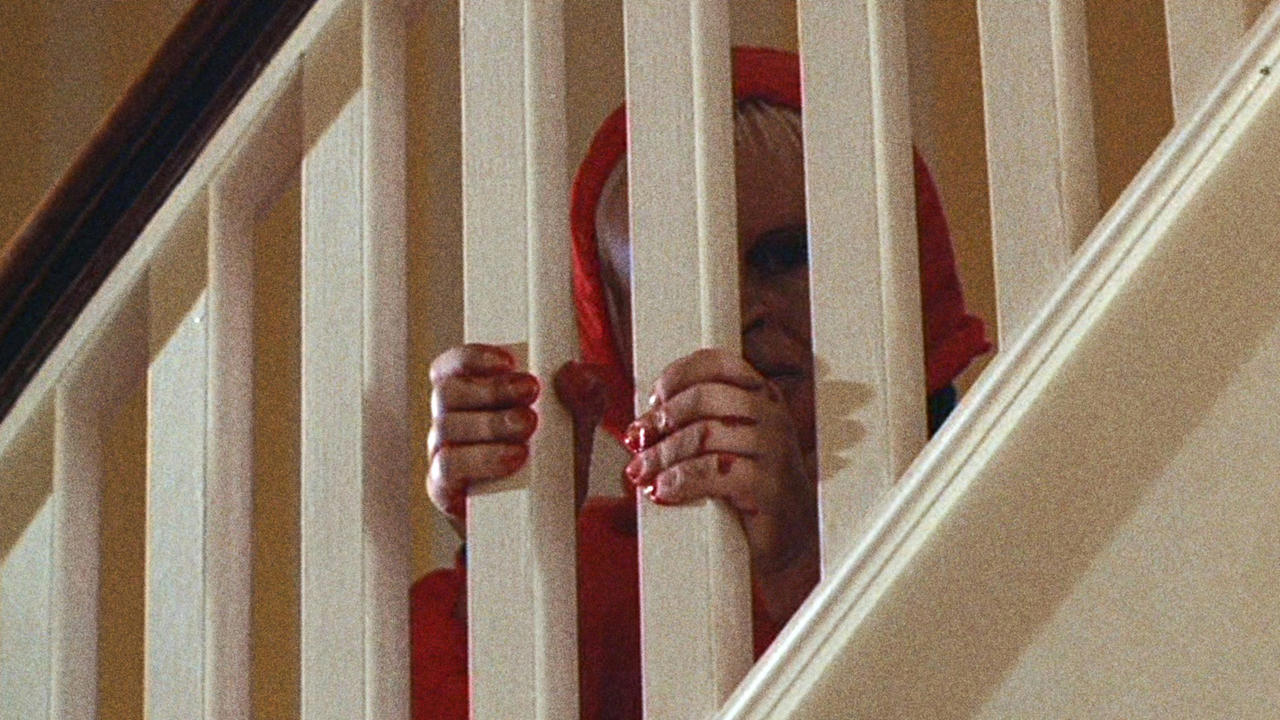
The culmination of Cronenberg’s preoccupations up to this point – obsessions with physical mutations, disgusting imagery, the juxtaposition of the cold Canadian landscape with the warm inner workings of the human body – The Brood also introduces an emotional intensity that only really came to the fore at the conclusion of Rabid. Picking up where Rabid left off, The Brood examines the lengths parents will go to protect their offspring, as well as the morally questionable repercussions of such a ferocious protective instinct and intense emotional bond. The film is essentially a family drama in the guise of a typical Cronenberg body horror, concerning a mother and father going through a divorce and the daughter stuck between them. Of course, this being a Cronenberg film, the divorce ends up being a lot messier than usual as the mother starts spawning mutant dwarf creatures after taking part in psychotherapist Doctor Raglan’s psychoplasmics programme where patients are encouraged to express their repressed emotions through physical changes to their bodies. The mother’s new children, the eponymous brood, proceed to kill those she perceives to be a threat. When she takes back her daughter, it’s up to the father to stop her reign of terror and rescue his daughter from the clutches of evil.
However, it’s not quite as simple as that. By forcing us to identify with the father, the film poses some rather difficult questions. For instance; who is really culpable for the brood – the mother, the father, or Doctor Raglan?; is the father justified in wanting to take his daughter away from a mother who is clearly emotionally distraught after their separation?; and is the father’s final act of killing the mother to prevent the brood from killing their child a heroic rescue or a simple act of hatred? The film offers no easy answers to these questions. What it does offer is an intelligent, visceral thrill ride, combined with a rare emotional ambiguity which ultimately suggests that our conception of good and evil is not so easily applicable in the face of a parent’s love for its child.
The Wolfpack
2015/ USA
Director: Crystal Moselle
Words: R. Topham
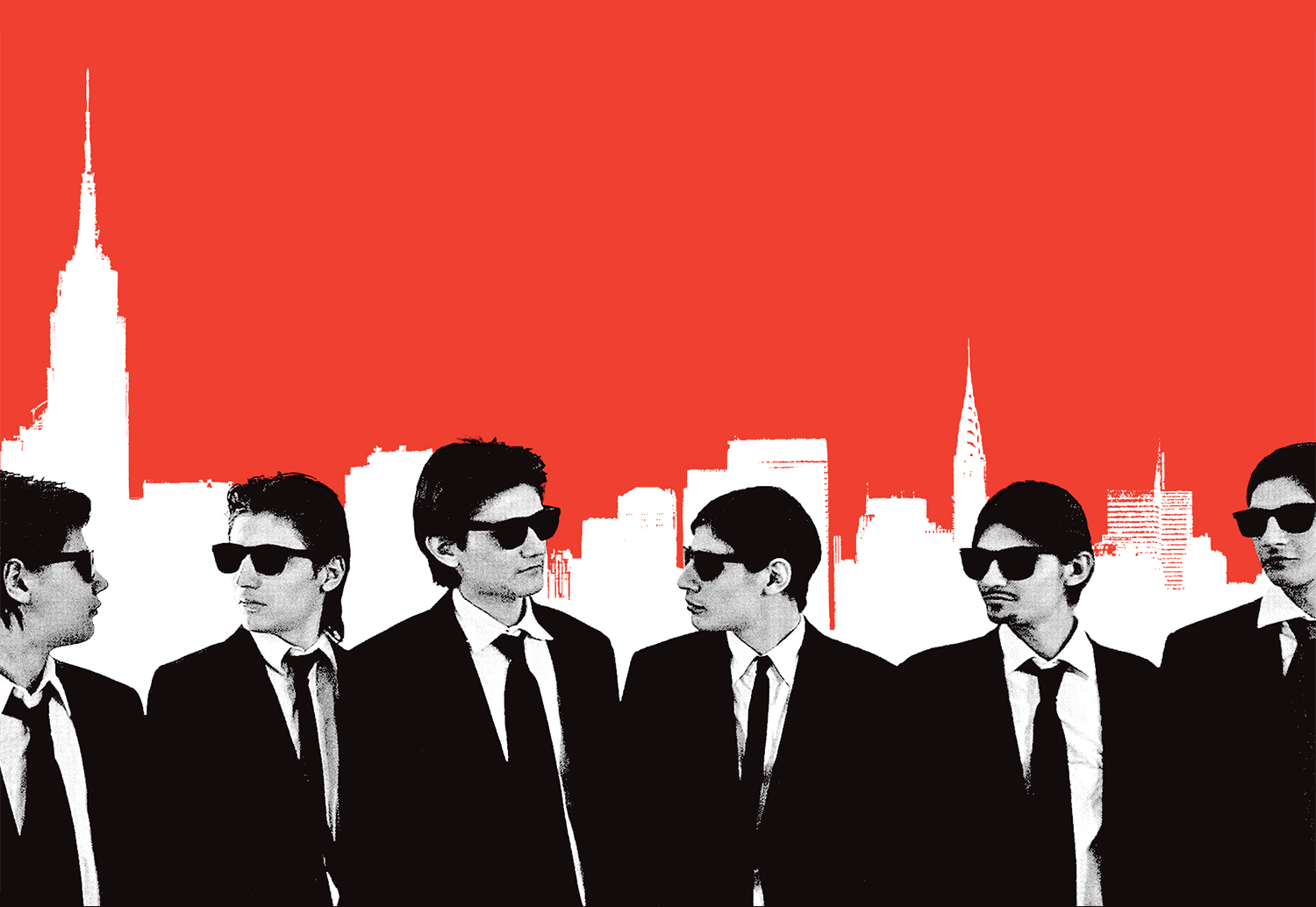
A coming of age story like no other, The Wolfpack is a new documentary about the sheltered life of the Angulo family from the lower east side of Manhattan. A group of remarkably sharp and talented “tribe” of six young boys (and one seen but never heard daughter), they were raised and home- schooled in the family’s small and stingy apartment, their controlling father restricting any possible contact with the ‘real’ world.
In a broad sense, The Wolfpack is a film about making films. The Angulo brothers watch films all day every day, and recreate their favourites using impressive homemade props and costumes (Batman’s suit from The Dark Knight made from a yoga mat and cereal boxes was a stroke of genius). In their own words, they do this because it makes them feel like they’re truly living, that they’re not just prisoners with little hope of freedom. This is not, however, a tale of blame and remorse; it’s about the sibling’s realisation of their identities, their passion for watching and making movies, and belief in their lives outside of their father’s control.
At times it is uncomfortable to watch because it’s so easy to forget this isn’t a fictional drama story. They admit the film crew are the first people to ever be invited into their home. Domineering father Oscar believes he is enlightened, and refuses to work “out there” as his way of rebelling. The eldest brother was sent to a psychiatric hospital when he was 15 because he dared to go out alone in public wearing a Michael Myers mask. But the mother, Susanne, is perhaps the toughest of them all. To talk frankly, albeit awkwardly, about her untouched dreams and her marriage to a man that imposes such intense rules takes an admirable amount of courage, and although you have to question her loyalty to Oscar, the overwhelming respect her children have for her is really quite moving given their oppressive circumstances.
Incorporating personal footage into the film anchors its intimacy, and because the family contribute so freely and honestly it doesn’t feel like an intrusion of their privacy. Like all good documentaries the story is compelling, but it’s the little details that really capture you: at the start of the film, the boys’ hair is so long that they can tuck it into the back of their trousers, their outstanding recreation of Pulp Fiction, the film crew joining them on their first trip to the cinema to see The Fighter and the closing scene of them blissfully playing among some apple trees.
A dark past replaced by a bright future, and as equally funny and touching as it is saddening and disturbing, The Wolfpack is one of the must see documentaries of the summer.
Enter The Dragon
1973
Directors: Robert Clouse
Starring: Bruce Lee, John Saxon, Jim Kelly, Shih Kien
Words: Joe H.
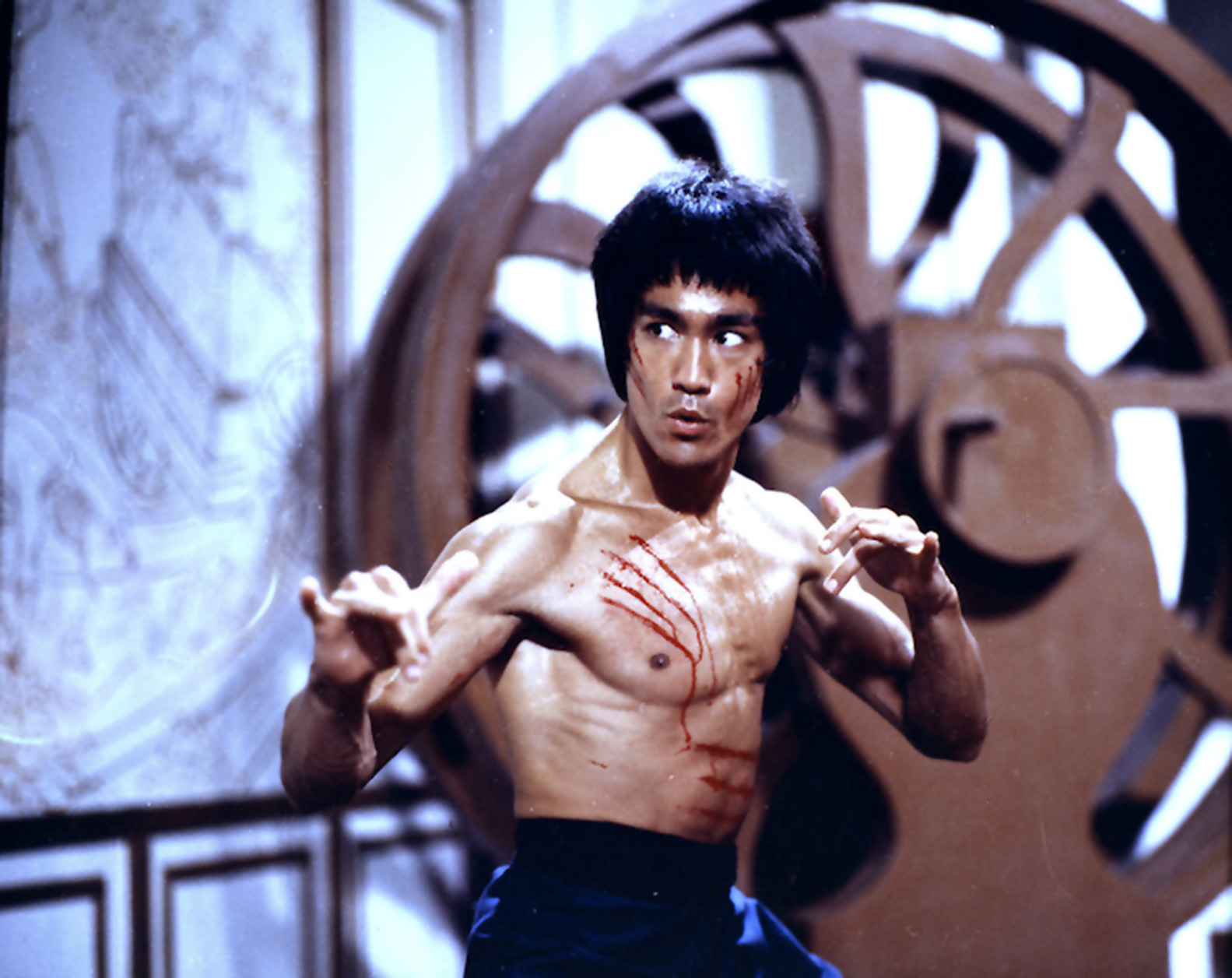
An iconic pop culture figure of the 20th century, Bruce Lee’s achievements culturally and cinematically elevated martial arts and the film genre to new heights, leading to an explosion of people learning martial arts with incredible popularity in the 1970s.
With the first martial arts movie to be produced by a major Hollywood studio, Warner Bros. offered Bruce Lee the opportunity to appear in what would come to be his final film – Enter The Dragon.
Enter The Dragon is widely regarded as one of the greatest martial arts movies of all time – in it we follow Lee, a Shaolin martial artist from Hong Kong, who receives an invitation to a martial arts tournament organised on an island by the criminal warlord known as Han.
An agent from British Intelligence approaches Lee and asks for his help in an undercover mission – Han is suspected of being involved in drug-smuggling and prostitution, and Lee is asked to infiltrate the island stronghold and liaise with an undercover operative.
Lee learns that Han was also once a Shaolin student, but had been expelled from their order for dishonouring their code, and that Han’s bodyguard O’Harra had been involved in the death of his sister. Lee agrees to the task, believing that his efforts will restore the Shaolin honour that Han has disgraced, and along with thoughts of his sister, now finds himself on a mission of revenge as well.
Joining Lee on the island are fellow competitors Roper and Williams – Roper (played by John Saxon), an American playboy gambler on the run from the mob, and Williams (Jim Kelly), an African-American on the run after defending himself against two racist white policeman.
What ensues is one of the most enthralling martial arts movies of its time, with the anticipation leading up to every scene where Lee finds himself in a perilous situation being met above and beyond expectation, with some astounding bareknuckle action (choreographed by Lee himself).
The film is certainly of its era, with Han being reminiscent of a classic James Bond villain (having a prosthetic hand interchangeable with various weapons), and some of the dialogue is wrapped in the 70s with an almost spaghetti western feel, but this now just adds a particular charm – all set against a superb score from renowned soundtrack composer Lalo Schifrin.
Going undercover in a martial arts tournament on an island fortress, we see why Bruce Lee became known across the world as one of the most exciting stars on screen, with the film culminating in the climactic and cinematically historic fight scene in a room of mirrors.
Bruce Lee died before Enter The Dragon was released in 1973, he never saw its widespread acclaim.
If you are yet to see one of Lee’s films, you could introduce yourself to one of the biggest martial arts movies of all time and see why the man known as Bruce Lee became a cultural icon.
–
 REEL STEEL
You must be logged in to post a comment.