Best Films of 2019

2019 has been a great year for cinema – from stories of relationships, to horror and coming-of-age journeys.
This year, instead of putting together an(other) arbitrary end of year list ranking the films of 2019, we’ve simply selected 10 films we feel stood out this year.
Listed in alphabetical order, each film has stood out in 2019 in a different way
– click on the film title to see our review.
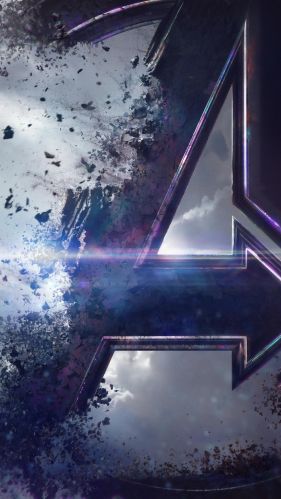
The end to over a decade of storytelling, succeeding as a celebration of every Marvel film before it.
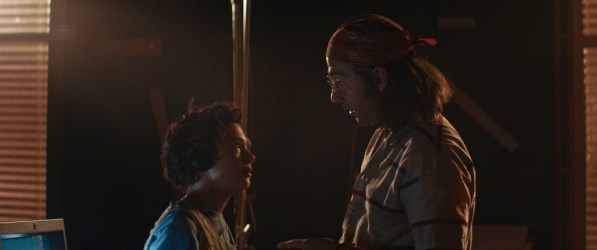
A personal story of a fractured relationship.
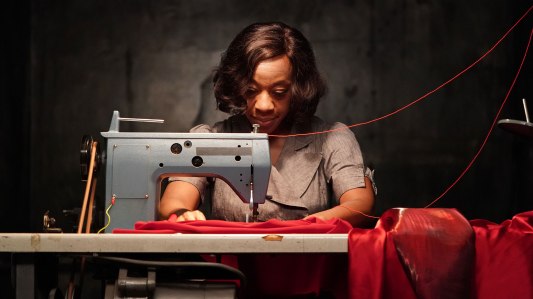
An audacious and darkly comic film.
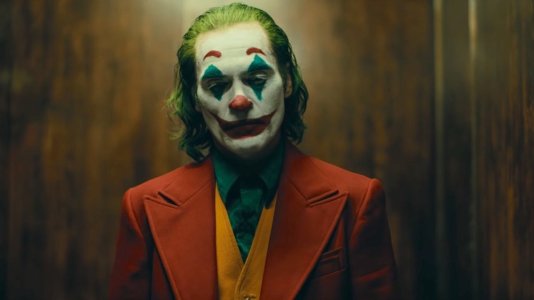
Touching on societal issues, one of the most talked about films of the year.
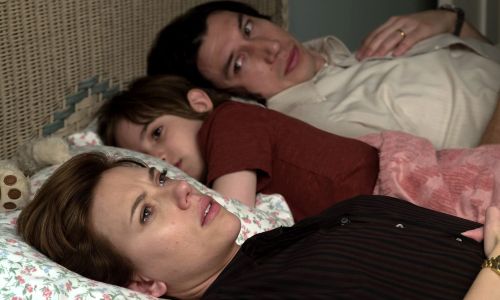
A story about breaking up, while trying to keep it together.
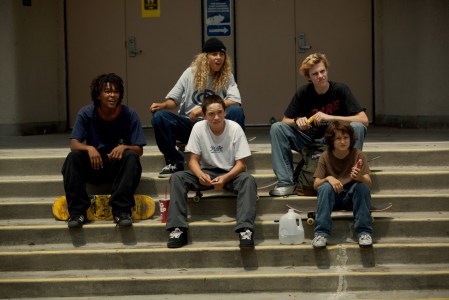
A coming-of-age story with a documentary-like authenticity.

A visceral, cinematic and hypnotic thriller.
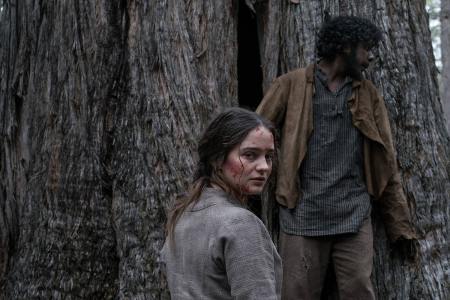
A film that is not only haunting and powerful, but vital.
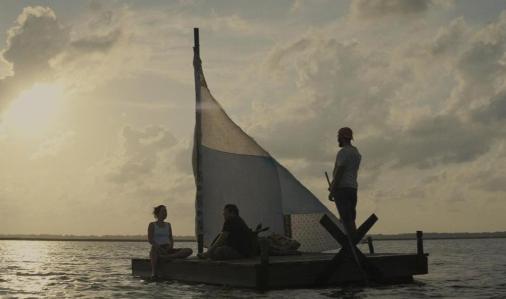
One of the year’s most enjoyable, charming and emotional pieces of cinema.
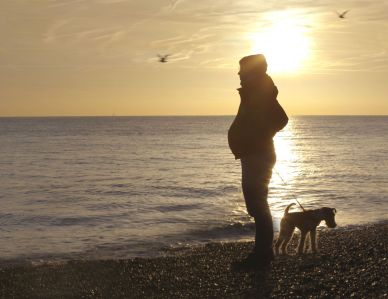
A standout documentary, telling a phenomenal story about what makes us who we are.
An honourable mention goes to the films which have had UK screenings at film festivals in 2019, but aren’t due to have their cinema release until 2020…
Honey Boy

2019
Director: Alma Har’el
Starring: Shia LaBeouf, Noah Jupe, Lucas Hedges, FKA Twigs
Words – Eleanor Smith
Honey Boy is one of those films where after you see it, it sticks with you.
Based on Shia LaBeouf’s own experiences, Honey Boy allows us to explore his traumatic childhood and early career, as well as showing us the devastating impacts of early success.
The shocking and raw detail both written and performed by LaBeouf is a powerful account of PTSD, exploring how a negative upbringing can result in destructive behaviour later in life.
It emphasizes the damaging cycle, as James Lort (played by Shia LeBeouf) tells of how he had an abusive childhood, giving us an insight into why he treats his 12-year-old son, Otis (played by Noah Jupe), the way he does.
The role of being an actor plays an essential part in the film, as in one scene Otis calls his Father a liar in his attempt to fight back, yet James retaliates with, “you lie for a living.”
The part of ‘performing’ and not being true, living life behind a mask (like many victims), in order to survive is linked to throughout. The film offers an almost therapeutic release, to tell a story artistically, in order to be free from a traumatic past.
Alma Har’el delivers incredible direction in this narrative going deep into the psychology of these characters.
Har’el and LeBeouf obviously shared a similar view for the film, as LaBeouf’s onscreen performance is both raw and moving, with Har’el matching this aesthetically. Her understanding and empathetic approach towards the Father and son relationship within Honey Boy is highly emotive, as the strong bond between a parent and their child is highlighted, even if the relationship is abusive.
The performances from all the actor’s here are incredibly powerful. Noah Jupe displays an incredible and versatile talent depicting the young troubled child. Jupe and LaBeouf’s chemistry onscreen offers a realistic and harrowing view through the window of a traumatic past.
Stepping into the shoes of his own destructive Father, LeBeouf gives a phenomenal performance and delivers real impact in taking on the villain of his past.
An observation of a painful relationship between a troubled Father and son, Honey Boy is a modern masterpiece and a perfect example of emotional storytelling.
Must See Movies: December

At Reel Steel we want to make sure you’re getting the most of your cinematic enthusiasm, so each month we put together our short list of some of the best new releases, from popcorn munching explosion fests to the often weird and wonderful.
Take a look at the trailers below and see this month’s recommendations…
Honey Boy
released Friday December 6th, 2019
A personal story of a fractured relationship, Honey Boy revolves around a young actor’s stormy childhood and early adult years as he struggles to reconcile with his father.
With his ascent to stardom, and subsequent adult crash-landing into rehab and recovery, we witness a battle with long-standing personal demons as the story navigaties different stages in a frenetic career.
From director Alma Har’el (Bombay Beach), Honey Boy explores hope through adversity.
Star Wars: The Rise of Skywalker
released Thursday December 19th, 2019
The final part to the Skywalker saga, Episode IX is the culmination of over 40 years of storytelling since Star Wars first landed in cinemas in 1977.
See the conclusion of the journey with Rey, Finn, Poe Dameron and Kylo Ren…
Little Women
released Thursday December 26th, 2019
This new screen adaptation from writer-director Greta Gerwig (Lady Bird) draws on the celebrated novel by Louisa May Alcott, in a refreshing take on the classic literature that is both faithful to its beautiful source material and strikingly original.
The beloved story of the March sisters – four young women each determined to live life on her own terms – as they come of age in America through difficult and changing times, during the aftermath of the Civil War.
With an incredible cast including Florence Pugh (Midsommar, Lady Macbeth), Saoirse Ronan (Lady Bird, The Grand Budapest Hotel), Emma Watson (The Bling Ring), Eliza Scanlen (Sharp Objects, Babyteeth), Timothee Chalamet (Call Me By Your Name, Lady Bird), Meryl Streep (The Post, Suffragette) and Laura Dern (Marriage Story, Star Wars: The Last Jedi, Blue Velvet), Little Women is a late entry into 2019 but will likely become one of the cinema highlights of the year.
MONOS

2019
Director: Alejandro Landes
Starring: Sofia Buenaventura, Julian Giraldo, Karen Quintero, Laura Castrillón, Deiby Rueda, Paul Cubides, Sneider Castro, Moises Arias, Julianne Nicholson, Wilson Salazar
Words – Joe H.
In the remote mountains of South America, a group of child soldiers occupy an almost hauntingly beautiful landscape. They are known as ‘MONOS’, and they are part of a wider ‘organization’ from which they receive instruction.
They watch over an American hostage, and hold a strategic position, passing time with training exercises, games and tribal rituals. We are reminded they are still children, as they argue, kiss, and jostle for social standing, but you never forget what it is they are doing there – as even the games they play double as training exercises.
The bonds between them and the higher-archy of the group are tested when mistakes are made, forcing them down into the jungle, as personalities vie for position – again, we are reminded they are still children.
The dramatic landscape which the group inhabits is eerily beautiful, accentuated by an equally ominous film score. Composed by Mica Levi (Under The Skin, Jackie), the soundtrack is haunting, almost possessed.
An often menacing backdrop, its synthesizer-driven tones are propelled towards you in waves, amplifying the extremeness of the environment; oscillating electronics mixed with the environmental textures of flowing water and bird calls create an absorbing, yet tension-filled score. Even without the dramatic events taking place on-screen, the soundscape creates a sense of dread and isolation, within a naturally emotive environment – a string orchestra will bring moments of grace, then draw a sudden sensory cut as it fades abruptly.
It’s gripping, intense, sparse, and hugely atmospheric – it almost takes on a life of its own beyond the confines of the film.
Amidst a breathtaking environment, the film explores the chaos of conflict from the perspective of those too young to be emotionally equipped to deal with it, drawing comparisons to Lord of the Flies and Apocalypse Now, but still wholly original.
A story where order descends into chaos, unfolding with the absence of a specific time, date or place, MONOS is a hypnotic, cinematic and visceral thriller delivering one of the most astonishing films of the year.
Portrait of a Lady on Fire
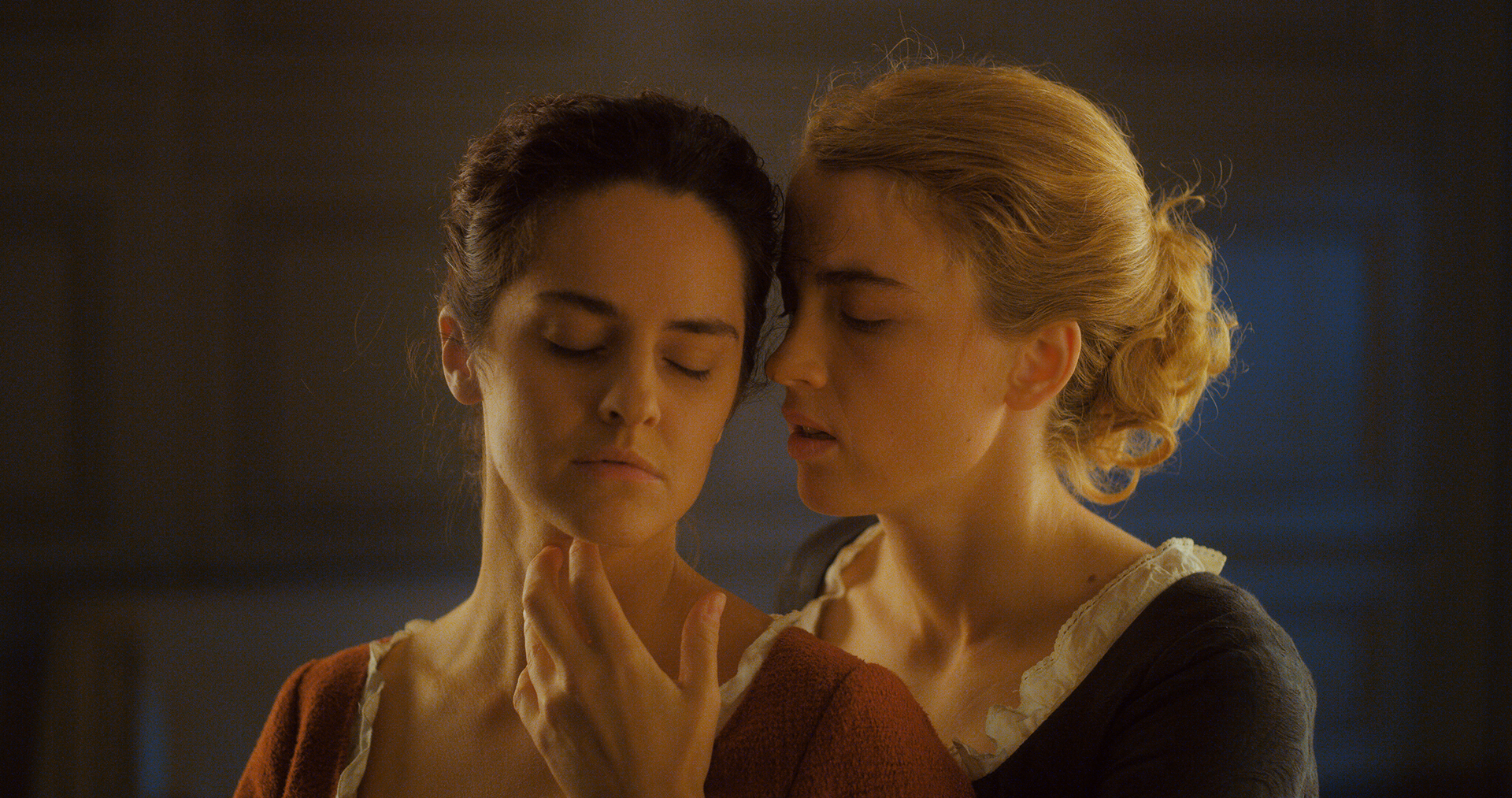
Director: Céline Sciamma
Starring: Noémie Merlant, Adèle Haenel, Luàna Bajrami, Valeria Golino
Words – Rhiannon Topham.
Describing a film as a ‘historical drama’ conjures particularly priggish dress, dialogue and narrative, none of which is typically original or disruptive to the staid all ways of the genre.
Céline Sciamma’s Portrait of a Lady on Fire, however, is not one of those historical dramas. There is still a plentiful of corsets and petticoats, and there’s at least one character who’s a countess, but there is also something else: a genuine, recognisable sense of human desire, embroiled with obsession, fear, and of course, lots of sexual tension.
Set in Brittany in 1760, Portrait recounts a tale of forbidden love. When we first meet Marianne (Noémie Merlant), a painter now posing for her class of female students, it would almost be befitting for her to turn, look down the lens of the camera, and do a Fleabag: “This is a love story.”
We then go back in time to unravel the slow burning and passionate romance that flourished during Marianne’s brief stay on the northern coast of France. It was here where she was drafted by an Italian noblewoman to paint a portrait of her elusive and reclusive daughter, Héloïse (Adèle Haenel), which will then be shipped off for approval from her betrothed, an unknown but wealthy man based in Milan.
Marianne’s stay is under the guise of companionship to Héloïse, who has just returned from a convent following the death of her sister. Not only is she mourning the loss of her sibling, but she also vehemently opposes this engagement and has sabotaged the attempts of previous portraitists by refusing to sit for them. Marianne is to accompany Héloïse on her walks to the seafront by day, and then privately paint her from memory by night.
Sciamma establishes the essence of forbidness from the outset, keeping Héloïse’s face hidden from both Marianne and the viewer until a pivotal moment when suddenly her physiognomy is brought to the fore for all to see, like the rediscovery of a masterpiece thought lost or destroyed.
Initially there seems to be a relative froideur between the two women, who are, beneath the pretence of amity, basically strangers. Marianne is both perplexed and transfixed by Héloïse’s mysteriousness, and on the surface one could mistake the latter’s distance as mere pretentiousness or formality. But the truth is all in the sly, yet often obvious, stolen glances; the slow-burning infatuation of discovering something new about someone every time you look at them, and the sheer pleasure and confusion of savouring those moments to yourself and then, in this case, eventually having to share those memories with an unknown other elsewhere on the continent.
There have been plenty of obvious comparisons between Portrait and Blue is the Warmest Colour. What’s distinct and profound about this story is that there’s no immediate attraction or lust; an easy narrative device that male directors so readily employ in retelling relationships between women. Rather, this is about seeing and being seen, the corporeal as much as the spiritual and emotional, and this goes beyond the romance.
This notion speaks directly to the central theme of repressed womanhood: Héloïse is to be married to someone she has never met, and is to sit for a portrait which successfully sells her as a suitable wife; her doting maid, Sophie, is forced to make a historically significant choice about an unwanted pregnancy, a momentous decision which Marianne later depicts on canvas; and Marianne’s very profession is a display of defiance, during a time when women were either heavily restricted in their access to creativity and art or were shut out completely.
Reversing the male gaze has never been done with quite the grace and poignancy as shown in Portrait of a Lady on Fire, and every element works in harmony to create something so subjectively accessible and objectively beguiling, from the chemistry between the all-female cast to the masterful direction and prophetic script, and the opening scene in Marianne’s studio to the climactic grand finale in the opera house.
★★★★★
–
System Crasher
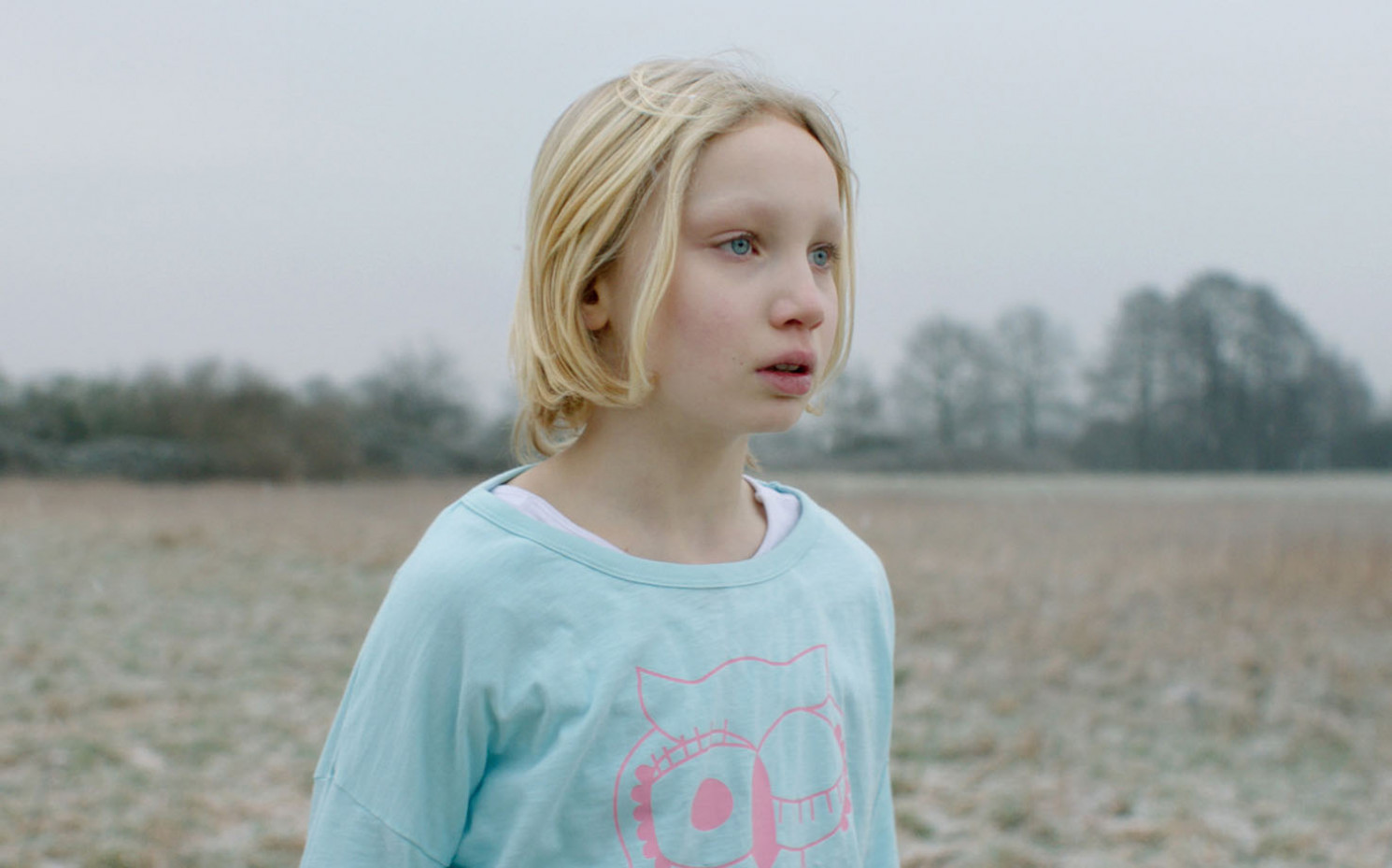
2019
Director: Nora Fingscheidt
Starring: Helena Zengel, Lisa Hagmeister, Albrecht Schuch, Gabriela Maria Schmeide, Melanie Straub, Victoria Trauttmansdorff, Maryam Zaree, Tedros Teclebrhan
Words – Rhiannon Topham
A ‘system crasher’ is a child in the care system whose destructive behaviour render them unsuitable, or at least unplaceable, for a stable and permanent place to reside. Nine-year-old Benni (an impressively polished performance by Helena Zengel), the eponymous crasher of Nora Fingscheidt’s first full-length feature, is too young for a more rigorous treatment programme but too bellicose and aggressive to stay in foster care or group homes due to her frequent bursts of violence which put the fellow children (and staff) in danger.
Child protection services are at their wit’s end with the hyperactive and unpredictable Benni, who’s singular goal of going home to live with her mother is naively misguided yet admirably stubborn. Her mother (Lisa Hagmeister), is vulnerable, living with a man at loggerheads with Benni, scared of what her daughter is capable of, and struggling to cope with daily life as it is; jobless, her son has started mimicking Benni’s actions and her youngest daughter is unwell.
In framing this austere tale, System Crasher is full of difficult polarities: between medication and heuristic intervention; the well-meaning intentions versus the sheer desperation–and exasperation–of child protection services, Benni’s school escort, Micha (Albrecht Schucht), and her mother; and within Benni herself, in her abundance of both fight and flight instincts, and her internal conflicts of wanting to get her own way but outright rejecting help from others or the possibility of compromise.
The film’s strengths are also what make it a difficult watch. Rather than sequester her into an institution, Benni’s child welfare caseworker, Maria Bafané (Gabriela Maria Schmeide), refuses to give up on finding her a stable home, and genuinely wants her to succeed at school and thrive socially, emotionally and personally. But in order to do that, they need to help Benni overcome an inimical childhood trauma they attribute to her foul-mouthed antics and extreme reactions to being touched on the face. Agonisingly, everytime there is a glimmer of progress, Benni falls back into her old behaviours and lashes out, runs away, unleashes an almighty scream, or all of the above. When Micha steps in and offers to take Benni to his cabin in the woods for three weeks in a last-ditch attempt to ameliorate her outbursts, he finds himself compromising his position as an impartial professional and relenting to Benni’s demands to spend a night in his family home with his pregnant wife and toddler instead of returning to her group home.
There is a tenderness and sympathy in how Benni’s story unfolds, how an abused child struggles to match their external stimuli to their internal needs and instincts, and Zengel effortlessly enacts Benni’s multiplex of states, transitioning from moments of serenity to all-out viciousness with a competency and depth normally seen in actors far older than she. But you are left wondering what the message is supposed to be; yes, this is a troubled child but one with a track record of dangerous behaviour towards herself and others.
While medication should not be, and is not, the answer, Benni’s caregivers have a duty of care to protect the young children around her, and it’s difficult to see how shuttling her between group homes and dangling the possibility of returning to her mother is an adequate or fair response.
Dogs Don’t Wear Pants

Director: J.-P. Valkeapää
Starring: Pekka Strang, Krista Kosonen, Ilona Huhta
Words – Nathan Scatcherd
An at once clinical and yet strangely tender story, Dogs Don’t Wear Pants is appropriately a film about contrasts.
Following the life of a surgeon, Juha (Pekka Strang), whose wife drowned some years before, as he drifts through an existence which is very ordered and professionally successful, yet personally dull and joyless. He is emotionally distant to his teenage daughter (Ilona Huhta), wrapped up in the pain and guilt he feels over his wife’s death. After a chance encounter with Mona (Krista Kosonen), a dominatrix, he begins to feel drawn to her and her world of BDSM, becoming a very faithful customer as Mona’s ‘dog’.
The idea of working through one’s own internal strife through the humiliation and slave/mistress power dynamics of BDSM would perhaps inevitably imply a certain darkness of plot and tone, which the film certainly adheres to, up to a point. There are moments here which will test an individual viewer’s gag reflex (if you have a particular aversion to tooth or fingernail trauma… maybe go in ready to cover your eyes at a couple of points) but the film’s key is really its overall heart and compassion for its characters. Rather than wallowing in the humiliation or even judging its central characters for their lifestyles, the film has a pleasingly progressive outlook and presents the world of sadomasochism with a matter-of-fact straightness.
Both Juha and Mona are, in their own ways, damaged people whose relationship absolutely takes some… unorthodox turns, but the film isn’t presenting them as dangerous perverts so much as fellow outsiders who perhaps only understand each other. The world of BDSM is never treated as some naughty little joke, but rather a whole lifestyle which (as with most lifestyles) has its dark sides and hang-ups, but for some can bring a great deal of satisfaction and release. A lesser film would use the ‘underground sex’ world as a springboard for some exploitative pointing and sneering, at the very least, but here that aspect feels so grounded as to be almost incidental; the characters are the focus.
Pekka Strang is extremely good as the buttoned-up middle class bore who begins to work through his pain with… well, more pain, conveying a tiredness and droll disillusionment which slowly starts to be chipped away by his eye-opening experiences with Mona. Krista Kosonen matches him well, with faint hints of softness under her stern exterior when ‘out of character’ as a dominatrix. The film offers glimpses of her life outside of her work, which are wisely kept fleeting; we get to see just enough to have a sense that this is a real flesh and blood woman rather than simply some rubber-clad fantasy, but the film generally remains at Juha’s POV, examining the power Mona has over him as he becomes increasingly dependent on his sessions with her.
It’s a very effective two-hander in a likeably offbeat film; the heart of gold beating behind the leather.
The Lighthouse

Director: Robert Eggers
Starring: Robert Pattinson, Willem Dafoe
Words – Joe H.
Arriving to begin their month-long term as lighthouse keeper and secondary, Ephraim Winslow (Robert Pattinson) quickly finds his time ahead will be tending to the more demeaning and punishing tasks of the building under seasoned keeper Tom Wake (Willem Dafoe).
The jagged and inhospitable island the lighthouse inhabits is a remote and stark landscape, the natural elements commanding more than just the sea conditions.
Winslow is told of the fate of the former lighthouse assistant, but dismisses the story as tall tales and sea captain bluster. His work is gruelling, with little respite, and he comes to find that Wake is suspiciously possessive over the light above, denying Winslow any duty to it.
As the dynamic between the two becomes increasingly tense, Winslow’s mental state sinks slowly into the depths, amidst drowning in drink and growing paranoia.
But is Wake constructing his descent into madness, facilitating it through the grinding work and sanity-testing conditions he bestows upon him?
As he begins to question what is real, the light above becomes what could be an end to the surrounding darkness.
The horror lies with what’s to come – does the obsession with the light signal something unnatural?
We see how far each are willing to go against the other, on this isolated rock in ever-worsening conditions.
The sound and imagery work harmoniously, in the most unharmonious way – it’s piercing, all of it.
The light from an oil lamp cutting through the darkness, the deafening noise of machinery, the crashing sound of wind and waves, the whale-like fog horn calls of passing ships, the squawk of the seagulls, the bruising maritime slander – it’s all as dark as the pitch-black that surrounds it, building like an approaching storm.
The film score, composed by Mark Korven, is a creature all its own. It bellows, as if rising from the depths of the ocean, crying out as it both amplifies and pulls you further into the darkness.
Dafoe and Pattinson give performances which are as exceptional as they are because of the other, the clashes and increasing tension between the two clearly raise one another. These gruff, work-hardened and world-weary characters, captivate with every hark and breakdown. You could cut through glass from the glare in their eyes.
This has all been expertly crafted by writer-director Robert Eggers, shot here on black & white 35mm film, who only continues to impress following his debut feature The Witch.
A visceral, hypnotic and hallucinatory tale, The Lighthouse is a standout piece of cinema that needs to be experienced.
Dead Dicks

2019
Directors: Chris Bavota, Lee Paula Springer
Starring: Jillian Harris, Heston Horwin, Matt Keyes
Words – Nathan Scatcherd
A sci-fi gallows comedy dealing with family trauma and co-dependence – with a Cronenbergian twist – Dead Dicks is a sharp and moving feature.
When down-on-her-luck Becca receives some distressing messages from Richie, her mentally ill brother, she heads over to his apartment to check on him. She finds him alive and well… although his flat is littered with corpses, all of which are seemingly exact copies of him. There is a giant flesh-like wound in Richie’s bedroom wall, from which these copies apparently spawn after each one dies. Richie has been repeatedly killing himself, waking up as a copy each time to continue the cycle. With Becca’s help, he endeavours to discover what’s happening and maybe connect with his frazzled, overworked sister.
What follows is a film which manages to walk the tight line between comedy and tragedy, using its sci-fi premise as a foundation on which to look at how family members can sometimes be bad for each other, through examining the relationship between Richie and Becca, which is less that of brother and sister and more of patient and carer.
Jillian Harris and Heston Horwin do great work in genuinely feeling like slightly estranged but ultimately loving and committed siblings, who have been through some rocky patches but remain loyal to each other regardless. The film’s moments of comedy are usually of the fairly dark variety; the film doesn’t flinch from the subject of suicide, but its greatest strength is the way it tackles the subject head on while still finding moments of amusing absurdity in its increasing sci-fi weirdness, and the warmth between its two leads keeps things from feeling too grim. Dead Dicks is smart, touching and worth your time.
★★★★
Come To Daddy

2019
Director: Ant Timpson
Starring: Elijah Wood, Stephen McHattie, Michael Smiley, Madeleine Sami, Martin Donovan
Words – Nathan Scatcherd
Come to Daddy is a nasty little film. A grimy, bloody, off-kilter thriller with moments of pitch black comedy, anchored by a central performance from Elijah Wood as a man who goes to a mysterious secluded cabin, apparently to reconnect with his estranged dad. There are immediate signs upon his arrival that something is a bit ‘off’ with the whole setup, and when things quickly take a dark turn, the film descends into a gory, sporadically funny tale of sons and fathers, secrets and lies; as well as the… unsanitary use of a pen.
The film has a strangely meandering tone, wavering from melancholy sincerity to shock laughs to extreme violence, but all of it is helped along by a great central performance from Elijah Wood. His awkward, nervous thirty-something hipster DJ/songwriter wannabe, Norval, is caught completely off guard and stumbles, believably bewildered and terrified, throughout what turns out to be a very long night of simply trying to talk to his dad.
The moments of tension and threat between him and Stephen McHattie’s deadbeat daddy play well, with the whiplashing between brutality and levity becoming only truly distracting as the film goes on, until a third act in which it runs out of steam despite a game performance from the very reliable Michael Smiley as a truly repulsive villain. Once the film has dispensed with most of its mysteries and twists fairly early on, it settles into a fairly predictable blend of mean humour, garnished with deliberately prolonged and bloody violence, and a streak of wistful sentimentality.
Perhaps destined to become a minor cult hit due to its oddly mannered tone and escalating violent chaos, Come to Daddy has a grungy, transgressive, low-brow sensibility which will surely appeal to midnight movie fans of gore and black humour. On a visceral level there are moments here that do work; moments which achieve that golden combination of wincing and smiling simultaneously. But the film struggles to carry off its vacillating oddball tone and its paper thin plot starts to become noticeable as the film slowly runs out of ideas on where to go next.
 REEL STEEL
You must be logged in to post a comment.