A Thousand Cuts

2020
Director: Ramona S. Diaz
Words – Rhiannon Topham.
Press freedom has never been more threatened than it is right now. Journalists in the search for truth are in a constant state of vulnerability, having their reputations slashed and their safety compromised by anti-democracy devotees and social media trolls.
A Thousand Cuts, directed by Ramona S. Diaz, follows Maria Ressa, the co-founder and CEO of Filipino news organisation Rappler, as she and her team battle a heated conflict between journalists and President Rodrigo Duterte’s Philippine government.
We’re all very much aware of the debates around press freedom in Western countries, painfully so in the context of the US and UK. If you’re a journalist who doesn’t subscribe to the diatribe of your nation’s right-wing head of state, and you don’t kowtow to the fake news permeating every corner of the web, then you almost instantly expose yourself to relentless abuse and institutionalised menace. But how many of us can say we were aware of the situation in the Philippines?
As Ressa eloquently explains in the documentary, Cambridge Analytica used countries such as the Philippines as a “dry run” to test their capacity for public manipulation via the internet and social media. The Philippines, coincidentally, has the highest rate of internet consumption per capita in the world. It feels almost sci-fi, something Ridley Scott would have conjured up in the 1980s as a warning of a dystopian future.
Under Duterte’s nationalist leadership, thousands of Filipinos have been murdered for suspected drug use and dealing. Ressa and her Rappler colleagues have tried valiantly to do their jobs as journalists with integrity and hold the government accountable, to a barrage of online hatred. Ressa has also been arrested on numerous occasions. She becomes embroiled in the story of modern Filippino politics simply by doing her job and sticking to her values. Instead of employing the typical sit-down or talking heads type of commentary seen in documentaries, Diaz captures the events of A Thousand Cuts in real-time and augments this with news footage to guide the story.
The crescendo of the snowballing political and social was the 2019 senatorial elections, when national and international assaults on the press serves as a timely reminder that, as a society, we are nothing without our ability to question our elected officials about the humanitarian calamities they have authorised.
Details of A Thousand Cuts screening at the 2021 Human Rights Watch Film Festival can be found here:
https://www.barbican.org.uk/whats-on/2021/event/a-thousand-cuts-15
Human Rights Watch Film Festival 2021

With an online digital edition in 2021, the 25th UK Human Rights Watch Film Festival (HRWFF) presents documentaries from around the world of powerful and uplifting stories from those demanding justice, equality, and safety for themselves, their communities, and future generations.
A collection of provocative films about issues that affect us all, providing a platform for individuals on both sides of the lens to empower audiences with the knowledge that personal commitment can make a difference.
Taking place March 18th – 26th, see our look at a selection of films featured at this year’s festival…

The 8th is a timely and emotive reminder of the importance of democracy and the power of community (local and global) for mobilising change.
See our feature review >here<.
Screening details here:
https://www.barbican.org.uk/whats-on/2021/event/the-8th-12
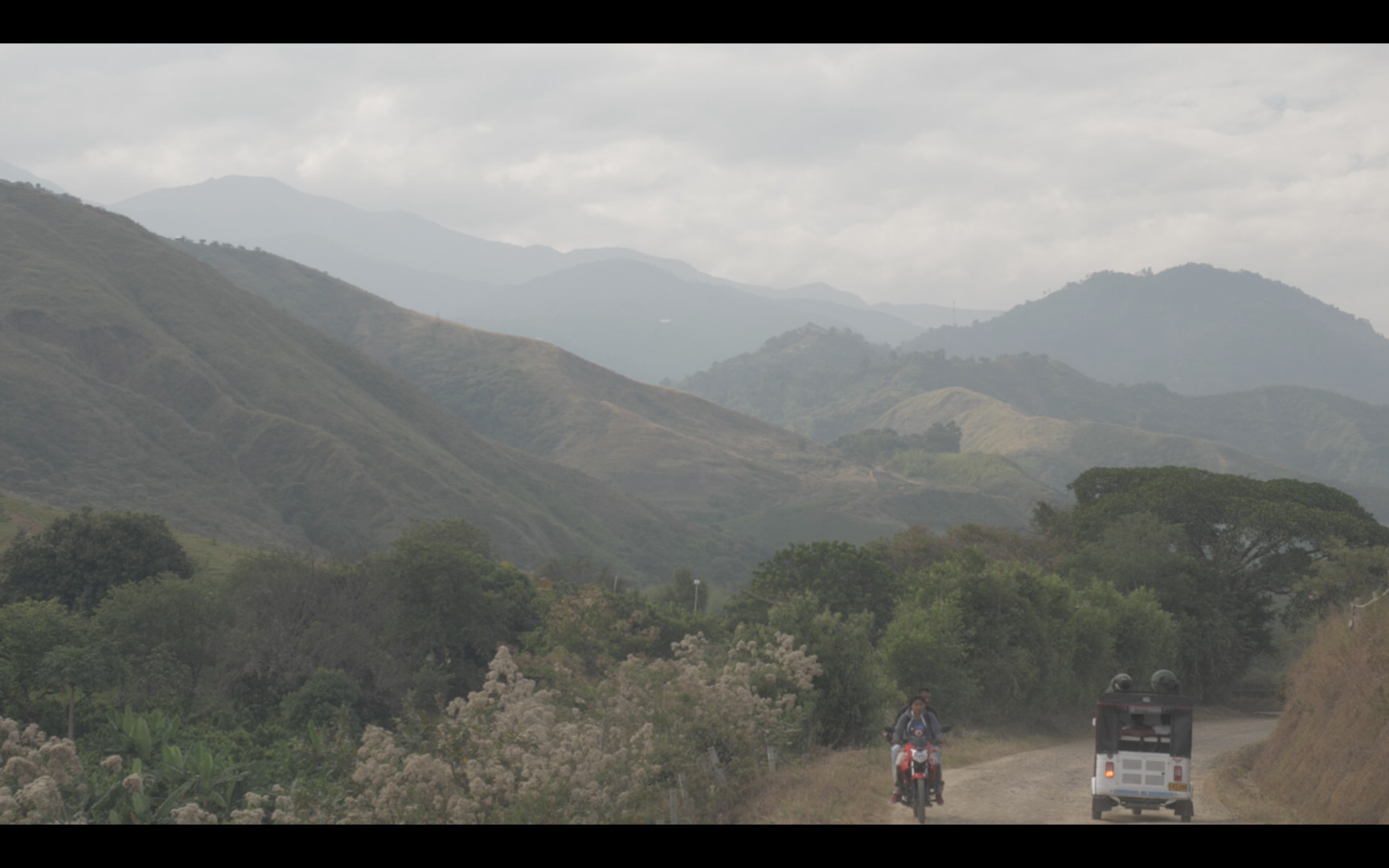
Filmed over 3 years, Bajo Fuego (Under Siege) is a portrait of people facing a complex crossroads: a government that delays fulfilling what it promised, a family economy in crisis, a state that suppresses mobilization and death threats by armed groups.
A vital film revealing the desperate situation faced by communities in rural areas of Colombia, uncovering the human cost of a failed peace process.
See our feature review >here<.
Screening details here:
https://www.barbican.org.uk/whats-on/2021/event/bajo-fuego-under-siege-15

Belly of the Beast explores the modern-day eugenics taking place in California prison systems over the course of seven years, in an intimate and empathetic collaboration with currently and formerly incarcerated people who were targeted by this illegal practice.
See our feature review >here<.
Screening details here:
https://www.barbican.org.uk/whats-on/2021/event/belly-of-the-beast-12

When national and international assaults on the press serve as a timely reminder that, as a society, we are nothing without our ability to question our elected officials, A Thousand Cuts follows one journalist and their team in a heated conflict with President Rodrigo Duterte’s Philippine government.
See our feature review >here<.
Screening details here:
https://www.barbican.org.uk/whats-on/2021/event/a-thousand-cuts-15
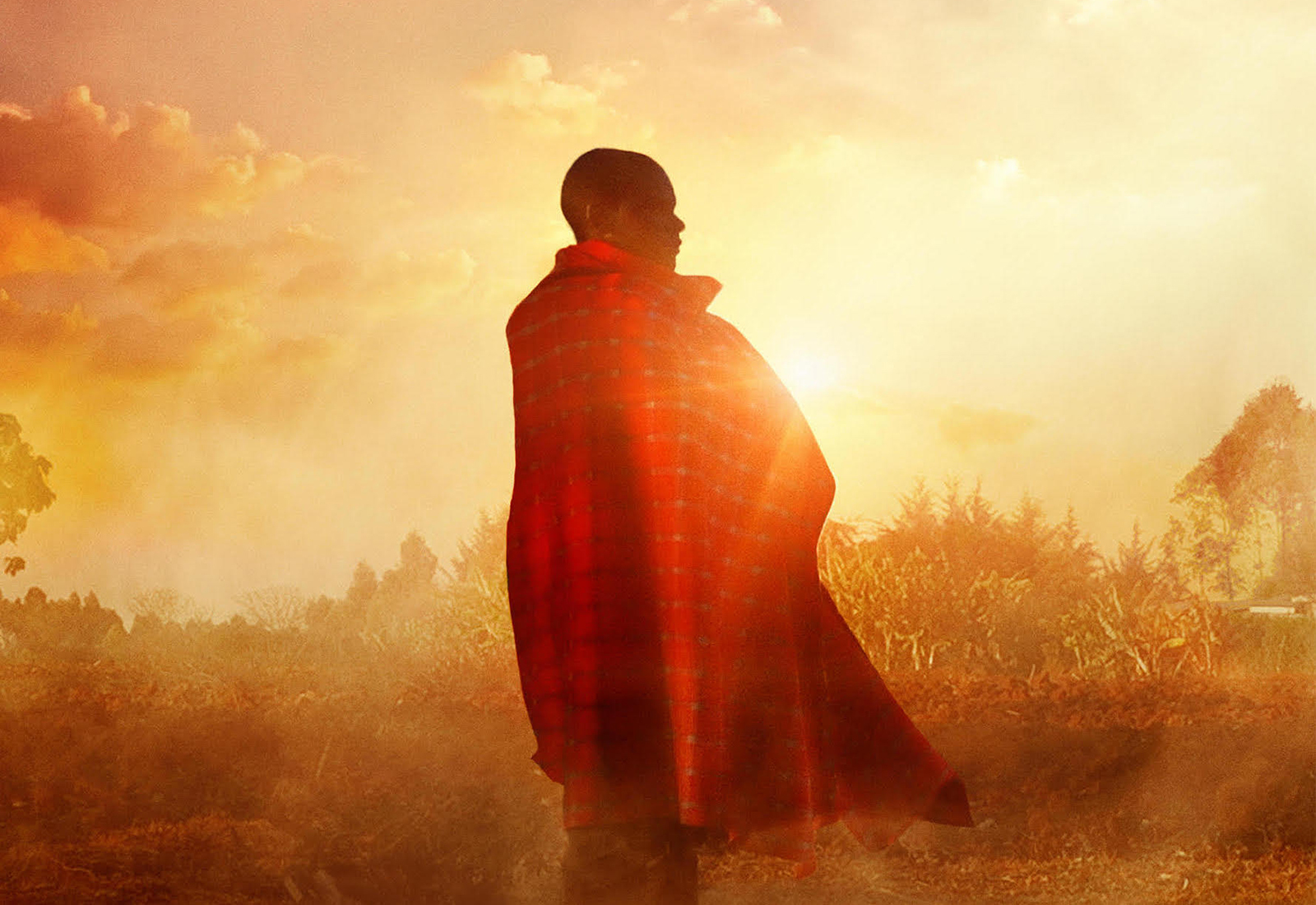
A truly courageous work with a message of hope and optimism, for the perseverance of love over tradition in the LGBTQ+ community in Kenya.
See our feature review >here<.
Screening details here:
https://www.barbican.org.uk/whats-on/2021/event/i-am-samuel-15
Find full details of this year’s festival with all films featured here:
Shogun Assassin (1980)
1980
Director(s): Robert Houston, Kenji Misumi
Starring: Tomisaburô Wakayama, Akihiro Tomikawa, Kayo Matsuo, Tokio Oki
Words – Nathan Scatcherd.
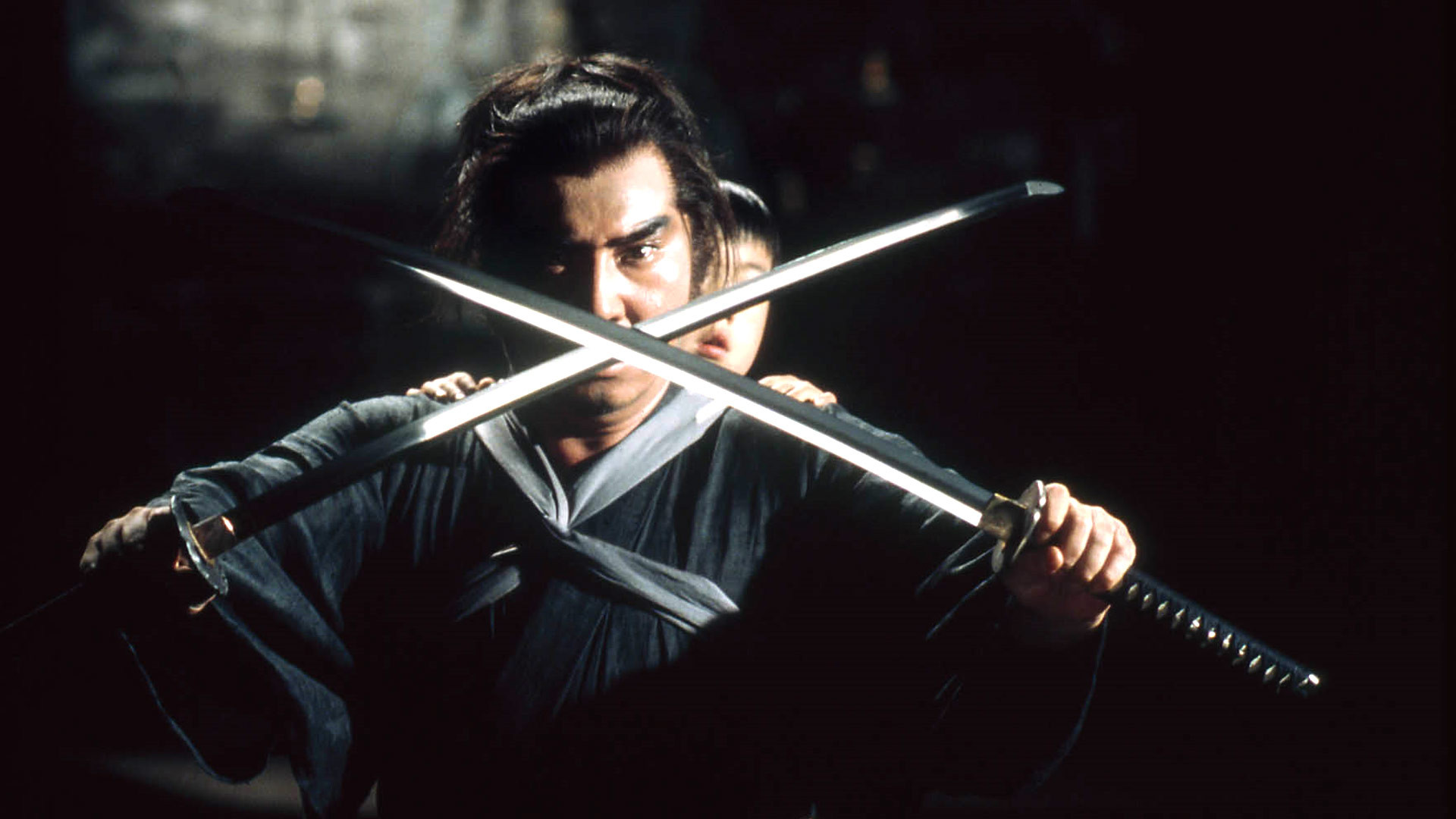
The kind of bloody, balletic Samurai film you rarely see made anymore, Shogun Assassin stands as perhaps one of the finest examples of the Jidaigeki subgenre (literally translated from Japanese as ‘era drama’, although the term is commonly used to specifically mean Samurai movies).
The narrative was pieced together by director Robert Houston from the first two Lone Wolf and Cub films (Sword of Vengeance and Baby Cart at the River Styx, both directed by Kenji Misumi); the plot involving a crazed, paranoid Shogun who attempts to have his chief decapitator killed. His assassins fail, only killing the man’s innocent wife and sending our once-decapitator protagonist, Lone Wolf, out on a trail of bloody vengeance with his infant son, Cub (who appears fairly snug inside a kind of tricked-out battle pram).
With its stitched together nature, the plot is essentially just the vehicle for the real draw; a series of increasingly stylised, violent and dream-like action sequences. Lone Wolf and Cub are assailed by ninja at every turn, and the fighting has a deliberately paced, almost operatic quality which makes the violence feel at once visceral and surreal. Every slash results in excessive sprays of claret, as our stalwart protagonists cut through swathes of the Shogun’s assassins (and Cub does indeed get in on the action himself – in one sequence his wooden pram is revealed to be quite well equipped for dealing with trouble, extending hidden blades as he rushes fearlessly into the fight).
The score by W. Michael Lewis and Mark Lindsay is a collection of frequently moody, threatening synth tracks which give the proceedings a distinctly ‘cult’ vibe – rather than using traditional Japanese instrumentation in an effort to conjure up Westernised images of ‘Eastern mysticism’ and exoticism, it uses its sparse, occasionally droning electronic score to underline both the relentlessness and basic hopelessness of its protagonists’ mission; to wander the land, slicing down the Shogun’s assassins, never resting for long, half hoping to die in glorious battle and be spared the interminable trekking and killing.
If you have even a passing interest in Samurai movies, you can’t do much better than this strange, scrappy, violent, transfixing gem.
Shogun Assassin also carries an extra level of interest for fans of the Wu-Tang Clan, or specifically GZA’s album Liquid Swords, which takes many of its most memorable samples from this film.
The title track utilises Shogun Assassin’s opening narration to murkily atmospheric effect, and the GZA – with the RZA on production – both no doubt recognised the inherent drama in the music that helped give Shogun Assassin such a singularly dark, exciting vibe.
Dawn of the Dead (1978)

1978
Director: George A Romero
Starring: Ken Foree, Gaylen Ross, David Emge, Scott H. Reiniger, David Crawford, David Early, Richard France, Howard Smith
Words – Oliver Innocent
In 1968 director George A Romero rocked the horror genre with his zombie classic Night of the Living Dead. Ten years later he repeated this trick with his follow-up to Night, Dawn of the Dead. The middle section of his three-decade dalliance with the dead (culminating with 1985’s Day of the Dead), Dawn takes place in a world where the tide has turned, and the zombies have begun to take over.
From the first night of the zombie apocalypse in Night to a world completely overrun in Day, Romero’s trilogy of the dead chronicles the deterioration of society and life as we know it. Each film is a product of its era as well as a comment on the issues and socio-political climate of the time. It is in this way that each entry in the saga has its own distinct personality, look and feel.
As a product of the ‘70s, Dawn immediately distinguishes itself from its predecessor with full garish colour cinematography in complete contrast to Night’s stark monochrome imagery. In keeping with the era of three-hour epics like The Godfather and The Deer Hunter, Dawn is notably much longer, bigger and expansive compared with Night’s condensed claustrophobia.
Dawn of the Dead focuses on a new misfit band of survivors who take refuge from the zombie apocalypse in a large indoors shopping mall. Again, there is a strong cast. Standing out this time is Ken Foree who, thanks to his role as protagonist Peter, has become a genre staple, appearing in films such as Leatherface: The Texas Chainsaw Massacre III and The Devil’s Rejects.
An interesting, unique setting, the mall’s various shops and features make for a multitude of imaginative ways to keep the zombie hordes at bay. As many critics have already noted, the mall setting also works on another level as Romero’s comment on consumerism. Indeed, the imagery of mindless zombie hordes aimlessly wandering around isn’t very far removed from what can be observed on a real-life trip to your local shopping centre. Zombies and shoppers both go for the same reason, to consume. The only difference is the zombies consume flesh.
It’s not just consumerism Romero tackles. There’s sensationalist TV worried about ratings even in the midst of the world coming to an end; police brutality and racism with cops going on a killing spree; abortion and a woman’s right to choose if she wants to keep her child; and man’s predilection for violence and enjoyment of a lawless world. Most of these issues seem to suggest that, even without the zombies, mankind is doomed.
Despite this, Dawn is fun, funny and exhilarating. It has some great action set-pieces like the biker raid on the mall, as well as some truly hilarious moments of black comedy such as the biker gang throwing pies at the zombies. Romero even inverts the standard bleak, downbeat ‘70s horror ending he himself popularised in Night with a relatively happy ending offering a glimmer of hope for the survival of mankind.
Just as Night informed the direction of the horror film genre in the ‘70s, so too did Dawn alter the course of the genre in the ‘80s. Inspired by Dawn, films like The Evil Dead, Fright Night and Re-Animator became more colourful, humorous, and over-the-top. They also became gorier and more effects driven.
Indeed, Dawn’s influence on the progression of practical special effects makeup and gore cannot be overstated. Thanks to Dawn’s effects wizard Tom Savini, special makeup effects artists became the rockstars of ‘80s horror.
They were often the main reason fans would flock to see the latest horror film. Not because of the actors or the directors, it was the tantalising draw of seeing the newest, most astounding special effects that really drew the crowds. Horror magazine Fangoria celebrated and popularised this fandom even further, with a focus on behind the scenes photographs and interviews with artists discussing how they achieved their effects.
Savini’s work on Dawn became the stuff of legend, paving the way for the increasingly complex and outlandish effects of the next decade. And for good reason; his effects are not only ground-breaking in terms of their technical prowess and believability, but also because of their creativity.
One of the most memorable aspects of Dawn of the Dead are the numerous creative ways in which the undead are dispatched. Heads explode in fountains of gore, guts are pulled out, and various body parts are dismembered with machetes and helicopter rotor blades. Simultaneously disgusting, entertaining, and funny, Tom Savini’s gory effects are the perfect punchline to George A Romero’s clever ‘70s satire.
See our retrospective feature on Night of the Living Dead (1968) >here<.
See our retrospective feature on Day of the Dead (1985) >here<.
Day of the Dead (1985)

1985
Director: George A. Romero
Starring: Lori Cardille, Joseph Pilato, Terry Alexander, Sherman Howard
Words – Oliver Innocent
Quite possibly the most revered independent horror film of all time, George A. Romero’s Night of the Living Dead (1968) laid down the blueprint for a new wave of horror which took off and proliferated during the 1970s. Night differentiated itself from the horror movies of the past with its confrontational, explicitly violent subject matter which worked simultaneously as both straightforward shock machine and allegory for the state of contemporary Vietnam-era America.
The film struck a real chord with filmgoers and cash strapped yet creative filmmakers alike, ushering in a golden age of controversial, cutting-edge independent horrors; films like Wes Craven’s The Last House on the Left (1972), Tobe Hooper’s The Texas Chain Saw Massacre (1974), David Cronenberg’s Shivers (1975), and John Carpenter’s Halloween (1978) all followed Romero’s blueprint of a single location besieged by an unspeakable evil, while exploring the social and political problems plaguing America (or, in the case of Shivers, Canada) at the time, tackling taboo issues of sex and violence head on, and invariably ending on downbeat notes. Romero himself would return to the fray in the late ‘70s to reclaim his crown with arguably his most accomplished and popular film to date, the zombies in a shopping mall epic Dawn of the Dead (1978).
A follow up to Night, exploring how the zombie epidemic has spread in the intervening years, Dawn is nevertheless a very different beast. Looking to put a new spin of the zombie format and purposefully striving not to repeat himself, Dawn’s colourful comic book imagery and black comedy criticism of consumer culture is the antithesis of Night’s starkly serious monochrome nightmare. With its exuberant action stylings, infusion of comedy and splatter, and surprisingly upbeat ending, Dawn proved itself to be much more palatable and entertaining than the more nihilistic Night. Quickly establishing itself as something of a fan favourite, it is unsurprising that expectations were high when Romero finally returned to the series almost a decade later with Day of the Dead.
Upon release, Day was neither a hit with audiences or critics. Compared to the funhouse ride that was Dawn, it was simply too dark, too violent, too claustrophobic. In other words, it just wasn’t the film that everyone expected. In the decade when horror was beginning to have fun with the likes of Dan O’Bannon’s The Return of the Living Dead (1985) and Stuart Gordon’s Re-Animator (1985) leading the way, Day just seemed like too much of a downer.
Often viewed as the ugly stepchild of the original Dead trilogy, it is only recently that Day’s status as another Romero horror classic is beginning to become clear. Viewed in hindsight, Day reveals itself as something of an unsung gem, and in many ways it stands up a lot better today than either Night or Dawn.
For one, the effects are absolutely top-notch, gore maestro Tom Savini’s sickening, gut munching makeup being the best it’s ever been. It also boasts some of the most intense and outlandish characters Romero has ever committed to screen, the best of the bunch being the perpetually angry military dictator Captain Rhodes. There’s also Bub the Zombie, the first of Romero’s undead to be bestowed with a personality and a modicum of intellectual prowess. The underground mine setting is also highly effective, inciting a degree of boiling point tension surpassing even that of the farmhouse in Night. Another of Romero’s microcosms standing in for contemporary America, the mine crams together a diverse group of soldiers, scientists and civilians of different ethnicities and backgrounds, allowing for a vicious critique of Reagan Era race and military issues.
Apart from the inevitable conclusion of the dead overpowering the living, Day is perhaps Romero’s most unpredictable film. The director keeps the audience on their toes from the very beginning with one of the most unexpected, powerful jump scares in the history of horror cinema, ensuring the suspense remains high as you can never guess what’s coming round the next dankly lit corner.
While it’s true that Day does lack the ferocious originality of Night and Dawn (it is the third film in the series after all), its air of unpredictability, unsettling atmosphere, intense human conflicts, and tour de force Grand Guignol ensure the film isn’t a mere retread of familiar ground. On the contrary, Day is an impressive, original film in its own right, and a more than worthy addition to Romero’s Dead series that deserves to be rediscovered and re-evaluated, so it can finally stand proudly alongside its predecessors.
See our retrospective feature on Night of the Living Dead (1968) >here<.
See our retrospective feature on Dawn of the Dead (1978) >here<.
The Vasulka Effect

Director: Hrafnhildur Gunnarsdóttir
Featuring: Woody Vasulka and Steina Vasulka
Words – Natalie Mills
“They’re the shoulders that most video art has stood on.”
An introduction to the weird and wonderful world of video art, this quirky documentary centres on Steina and Woody Vasulka.
A pair of pioneering video artists, who were prominent in the 60s and 70s, they’re introduced as “two of the most important artists of the 21st century”. The Vasulkas inhabited a world where Patti Smith was new in town, Andy Warhol was getting hit on by all genders, and Salvador Dali just casually turned up to theatre performances. The Vasulka Effect feels like part time-capsule, part art history lesson, part reality TV show.
Prepare to feel like you were born in the wrong decade, and to learn that most art repurposes other art. As a (slightly bitter) ex-art student, I connected to Steina’s observation that “humans are more interested in archived, past art than anything that’s happening now”. Indeed, we see the Vasulkas painstakingly archiving their huge body of work, explaining how it’s “now seen as historical and important”.
As someone who “made films” for a bit, it was amazing to be introduced to Woody and Steina. I was reminded of the gut-punch you get as a student, when you think you’ve had a new and interesting idea, that someone back from the 60s or 70s has been doing it for decades. Their work, featuring multi-screen installations, Fantasia-like electronic waves, and image distortion similar to today’s “glitch art”, has aged remarkably well.
Here, the vintage monitors and lo-fi aesthetic you see in many of today’s exhibitions are no stylistic choice. They were being used for the first time. They were fascinated by the mixture between art and technology in a way none of their contemporaries were exploring. Their works weren’t about anything – they were “just like a feeling”. If someone scoffed “But you’re just playing”, they took it as a compliment. Purity, no bullshit needed.
The film gives a vaguely chronological history of the two artists, interspersing archive footage with them bickering cutely in the present day. After getting to know their beginnings – him a Czech film student, her a chamber musician from Iceland – we hear how they ended up living in a loft “in this new thing called Soho”. They lived the kind of free, magical life every art student dreams of (before we inevitably end up in marketing).
There’s a lot of great footage from the 60s; you wonder how Boomers dare criticise anything with all this mad stuff going on in their day. The Vasulkas reminisce about parties, saying “We couldn’t even go to bed, the house was full of people” and “What was this orgy here?” like they’re discussing breakfast.
Surrounded by drag shows, contacted by people “dying to do pornography”, and even noticed by the FBI, they belonged to a community desperate to push boundaries. The Vasulka Effect sometimes feels like a showreel of famous names, but it helps hit home their influence. The couple set up The Kitchen in New York in 1971, as a “home for the homeless, or artists across disciplines”. Still an iconic performance space now, nobody needed an invite – people would just come to them to volunteer their time. Talking Heads, Phillip Glass and Laurie Anderson were all Kitchen alumni, alongside artists like Cindy Sherman. “If you believe in electronic music, this is the place” … is it possible to get FOMO 50 years too late?
Living out their twilight years surrounded by obsolete video equipment and debt, in the strangest house you can imagine, the Vasulkas feel like characters in some surreal indie sitcom. You half expect Louis Theroux to walk in at any time. There’s something very open and honest about Woody and Steina – they were so ahead of their time; you get the feeling that they’ve barely had to change their lifestyle in decades.
Their love for analogue tech is charming, cooing “This was an important machine” and “This beautiful turntable” as they wistfully handle old equipment. They seem nostalgic for their past, and you feel nostalgic for it too. From Vaporwave to Stranger Things, my generation is obsessed with old school formats. While at university, it was cool to make films that looked like shitty VHS tapes. I can only assume that it’ll one day be cool to make art about looping DVD menus and the iPod click sound. With the growth of YouTube, obscure, vintage films are now easy to ‘discover’.
Many artists never get discovered the first time around, so it’s a real happy ending to watch Steina and Woody get rediscovered in the 2010s. Despite initial distrust of an interested art dealer, “God spare me this” moans Woody, they cooperate to archive their work and create The Vasulka Chamber. It’s wonderful to see their art being appreciated in Iceland’s National Gallery, where their multi-media installations look fresh as ever.
As the Vasulkas recreate their first meeting in a Prague dorm, and share their first words of “Marry me, get me out of here”, you realise The Vasulka Effect is also a love story. I can’t imagine how hard it was to make their relationship work, being partners in both your personal and ‘art’ lives, in a foreign country in your second language. Their archive is testament to their love of video, and how it can be preserved for everyone.
“We’re showing up in the art magazines” they observe, still humble and playful, as though they don’t realise how important they are.
★★★★
Ammonite
2020
Director: Francis Lee
Starring: Kate Winslet, Saoirse Ronan, Gemma Jones, James McArdle, Fiona Shaw, Claire Rushbrook, Alec Secareanu, Sarah White
Words – Denise Hobart
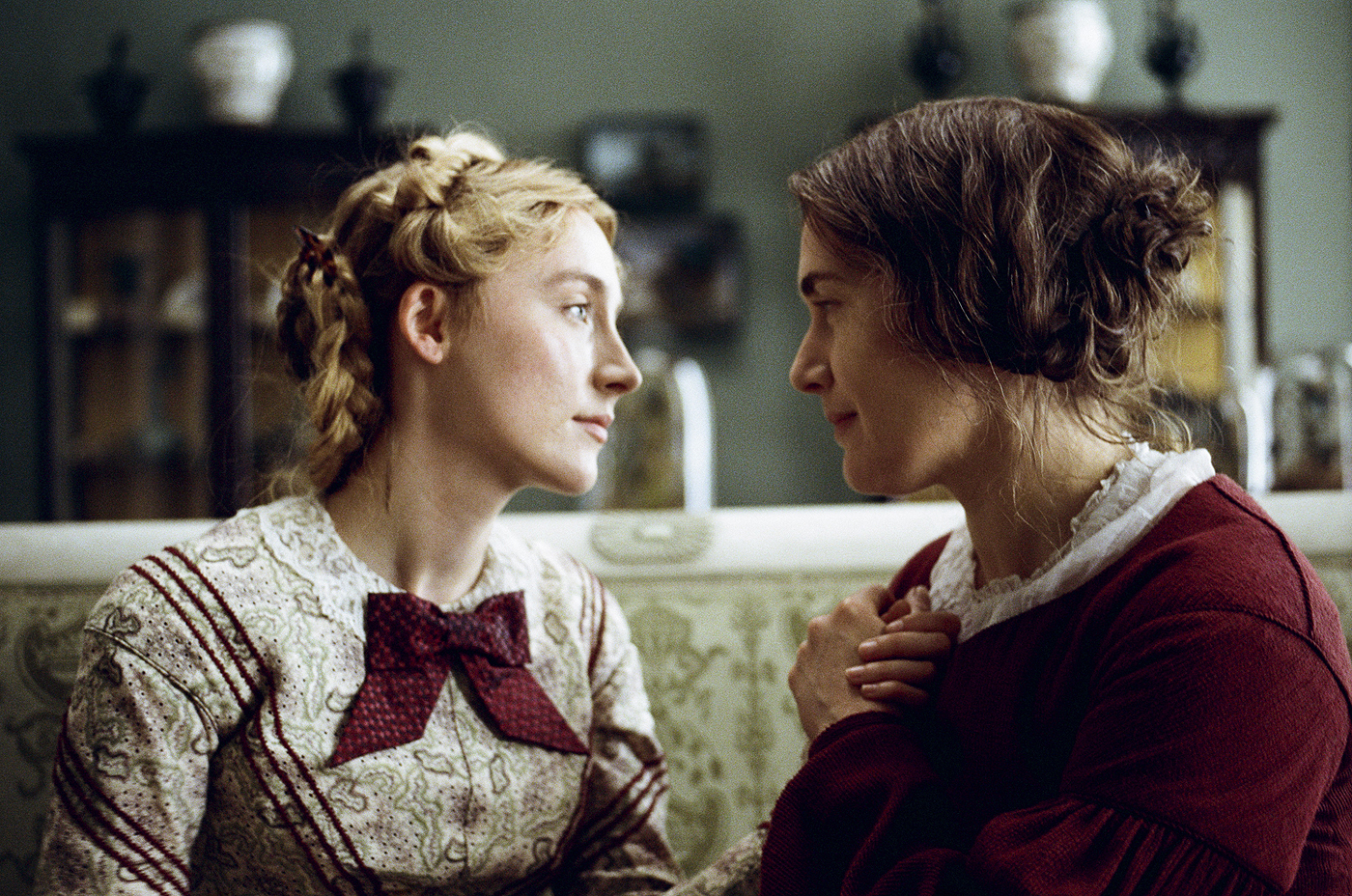
Ammonite imagines a passionate love affair between the self-taught pioneering palaeontologist Mary Anning and her friend Charlotte Murchison. Anning’s early nineteenth century achievements were largely obscured, or credited to men, due largely to her sex and poor background. The film is a fictionalised, measured and absorbing exploration of female working class repression and its effect on recognition, confidence and freedom of expression.
We find Kate Winslet’s isolated Mary in a blustery Lyme Regis some years after her most celebrated find has been sold for living expenses and is now displayed in the British Museum. Mary has more in common in appearance with the cleaner at the museum who is barked orders to by an unseen man to make way for her find, than that which a scientist of her accomplishments could expect. Mary’s hand-written label on her fossil find is unceremoniously discarded, to be replaced by that of the wealthy man presenting it, but the filth of the work undertaken to discover and house these prizes credited to men are etched in the women’s fingernails and their worn, dirty clothing.
Mary is living with her gruff, emotionally distant but ever watchful mother and it is a workhorse existence: cold winter nights, early rising to catch the tide and risk injury in landslides in the hunt for fossils through grime, wind and rain, then a return home to domestic and fossil shopkeeping chores. Rare free moments are dedicated to technical drawing, working by candlelight long into the night.
Into this routine barges the wealthy, entitled geologist Roderick Murchison, keen to learn from Mary and bringing in tow his silent and fragile younger wife, Saoirse Ronan’s Charlotte. Murchison’s wishes are indulged not out of a desire to share her knowledge – Mary has long since been disillusioned at her exclusion and treatment at the hands of what she terms as the men’s club in London – but due to the much-needed crumb of his wealth that Roderick offers her. Murchison further takes advantage of his financial position when, unwilling to deal personally with his wife’s grief at an unspoken but hinted at loss dismissed by him as melancholia, he leaves her in Lyme Regis to continue overseas alone. Anticipating picking up his fully restored wife once a bit of sea air via daily walks observing Mary has knocked the cheerfulness stuffing back into her, Murchison instead leaves Charlotte to fall seriously ill, requiring the constant care and attention of Mary.
Director Francis Lee creates an amazing sense of place and personal belonging throughout the film. Lyme Regis and the Dorset coastline make for a stunning location but it would be easy to be overwhelmed by its film history, the ghosts of The French Lieutenant’s Woman and Persuasion jostling for space on the Cobb. Instead, there is a sense with Stephane Fontaine’s cinematography that you are viewing the place with fresh eyes and that Winslet’s Mary is part of the fabric of her surroundings, ingrained as it is in her hands, her clothes and daily life. Images and sounds of spring see in Charlotte’s recovery and an awakening of sorts begins as the women gradually find solace, an uneasy understanding and passion with each other. The sound design creates a believably authentic sense of atmosphere, a lack of intrusive music giving way instead to a constant scratching at fossils, waves on the shoreline, the crunch of boots on the pebble beach and comfortable silences.
The central performances from Kate Winslet and Saoirse Ronan are the heart of the film and they work assuredly together to steadily create a truthful connection of their characters. Gemma Jones as Molly, a very different type of mother to Winslet than her Mrs Dashwood in 1995’s Sense and Sensibility, is wonderful at the centre of some of the most moving scenes as we come to understand more about this seemingly cold matriarch.
The film’s narrative slightly loses its balance towards the end and it somewhat misrepresents the real Charlotte Murchison in terms of age and accomplishment (she had a good decade on Anning and is credited with being instrumental in encouraging her husband’s interest in geology rather than he in hers).
Ammonite is a thoroughly absorbing watch, especially for its central and supporting performances and the evocative sense of place and time. Ultimately, it is not Mary’s sexuality or even her sex that is the chief hinderance to her happiness and progress but her social class. It is the gulf between the two women caused by this difference that becomes the biggest challenge to their understanding of each other.
BFI Film Festival 2020
Featuring a selection of highly anticipated films, the 2020 BFI Film Festival presented online premieres as well as screenings in cinemas around the UK.
See our look at some of the films featured at this year’s festival
– click on the film title to see our review.

> AMMONITE
An absorbing watch, with standout central performances and an evocative sense of place and time.
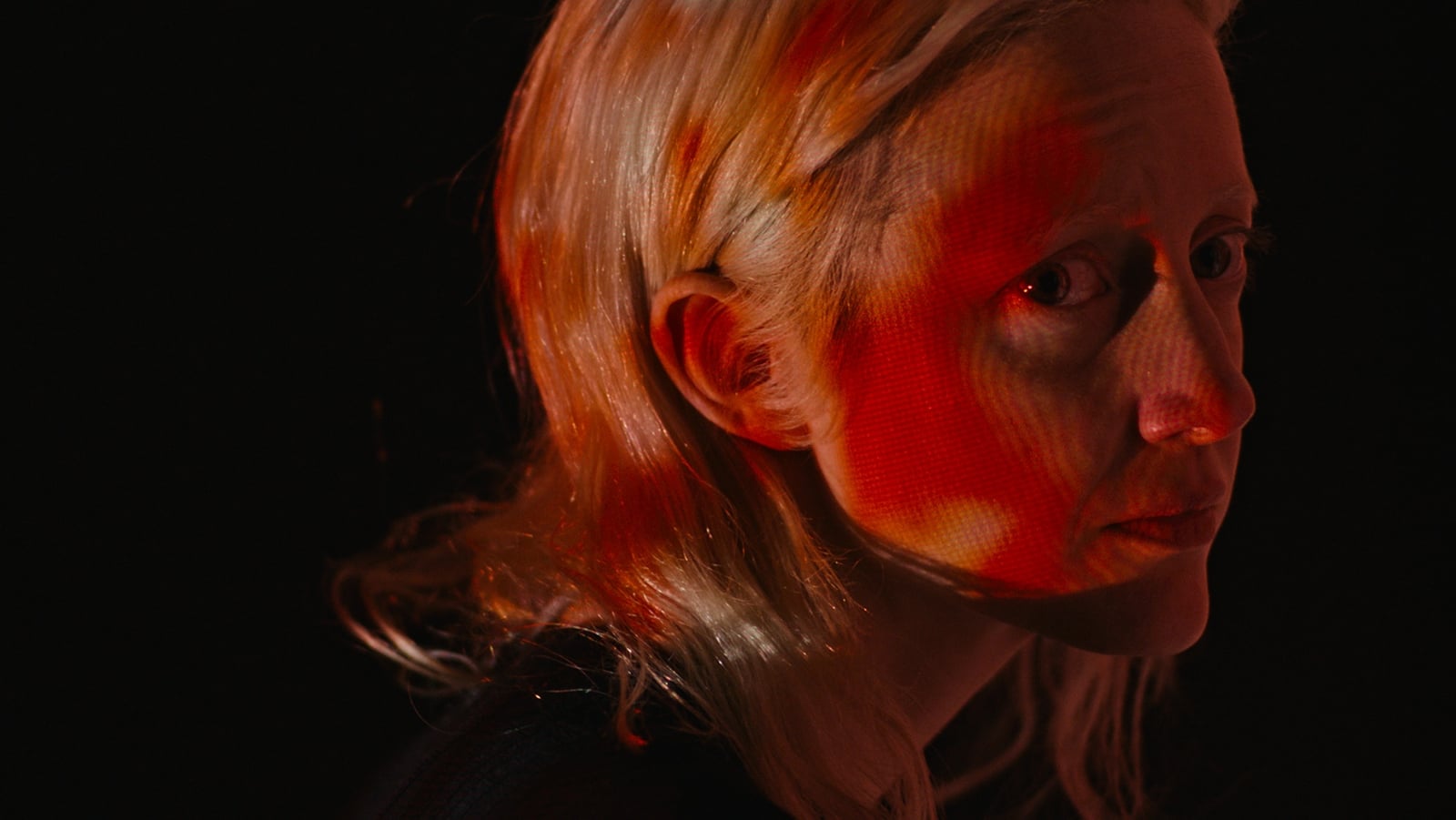
A coldly pristine examination of violence and identity, POSSESSOR tells its story with slick confidence, featuring excellent performances and an arresting visual palette.

> RELIC
Relic blends the haunted house with body horror, in an unnerving story that gradually builds to a tense and emotional climax that stays with you long after the film is over.
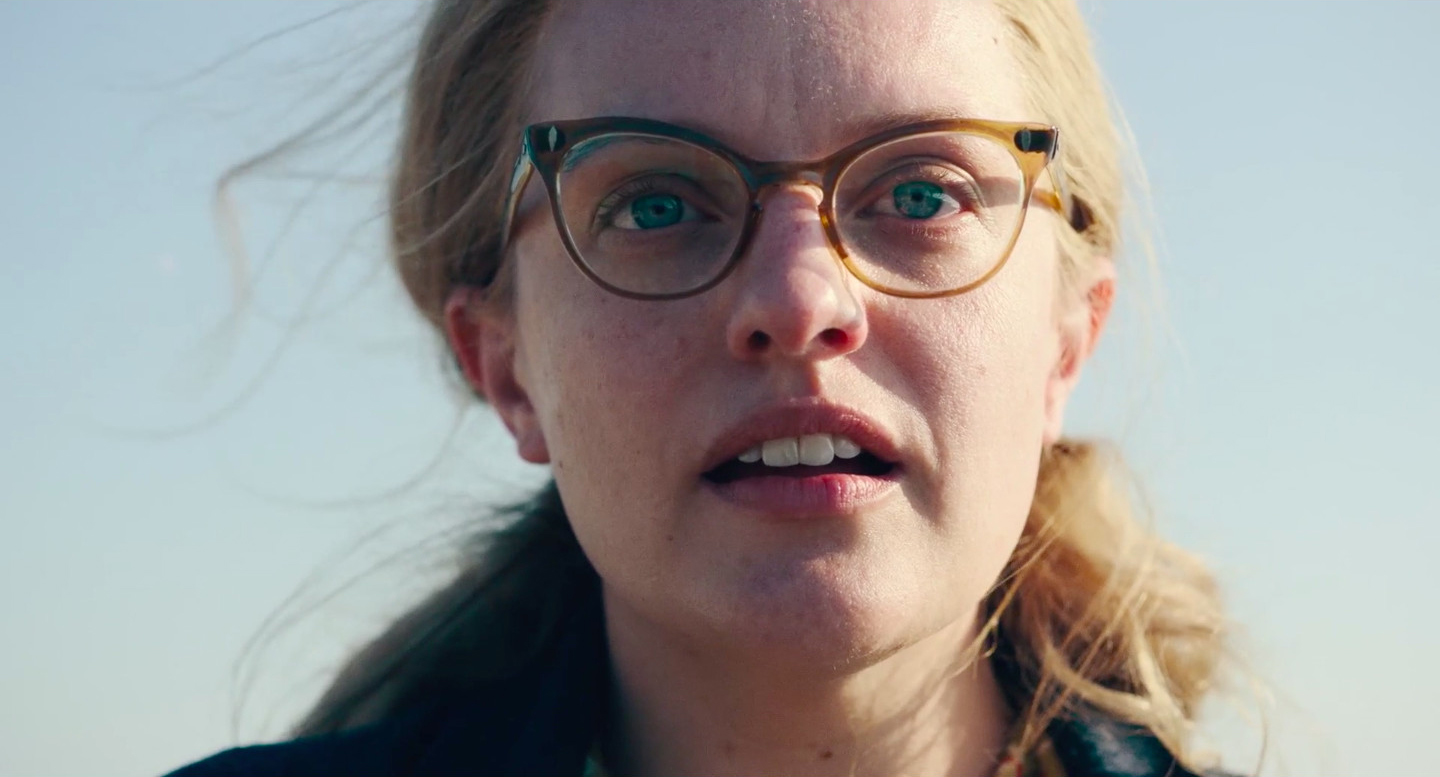
> SHIRLEY
Though not a biopic in the traditional sense, with a compelling performance in the title role the film captures the spooky, dreamlike atmosphere of Jackson’s writing.
BFI Film Festival 2020 trailer
Possessor

2020
Director: Brandon Cronenberg
Starring: Andrea Riseborough, Christopher Abbott, Jennifer Jason Leigh, Tuppence Middleton, Sean Bean
Words – Nathan Scatcherd
Considering his lineage, it’s no surprise that Brandon Cronenberg’s Possessor adheres to certain adjectives: nightmarish; gruesome; visceral and yet strangely delicate, its explosions of violence and corporeal horror all the more unsettling for their intimacy. A coldly pristine examination of violence and identity which cribs perhaps too liberally from the senior Cronenberg’s work, Possessor nonetheless tells its story with slick confidence, featuring excellent performances and an arresting visual palette.
Andrea Riseborough is Tas, an assassin who gains access to her targets through possessing the bodies of those closest to them. Working under her enigmatic handler (Leigh), Tas is assigned a job which involves her possessing the body of a young man (Abbott) in order to take out his girlfriend and her mega-rich corporation-owning father (Bean, playing a complete bastard and obviously having some fun with it).
What follows is an insight into an apparently long-brewing personal disintegration; Tas regularly becomes other people and, as such, gradually struggles to be herself. She rehearses how to engage in small talk with her husband and young son; she obsessively analyses her target’s speech patterns ahead of the possession, to more effectively ‘be’ them for a while. Identity is an unstable, slippery, easily fractured thing, and as various complications arise on the job, Tas and the man she has possessed begin to battle for psychic dominance.
Much of the film is a two-hander between Riseborough and Abbott, and both are excellent, conveying much with a change of posture or rearrangement of facial expression. As the film is increasingly swallowed in gory sci-fi horror weirdness, their performances elevate too, becoming all the more unhinged and manic. The cast is fairly small and not a single bad performance is given, but the two principle leads are particularly deserving of attention here.
Possessor skilfully creates an air of seething tension and dread, occasionally punctuated by wince-inducing violence and sequences of fleshy, hallucinogenic horror which feel ripped straight from Videodrome. This is perhaps the film’s biggest issue; as entertaining and well-crafted as Possessor is, watching the film I ultimately couldn’t escape a nagging sense that it is – stylistically and thematically – very similar to the output of the elder Cronenberg. It’s like watching an excellent tribute band who has meticulously studied every facet of their inspiration’s work… but they’re still not quite the real thing. Perhaps, considering the film’s plot, this is appropriate; the spirit or psyche of the father working through the son.
Highfalutin conjecture aside, Possessor is solid, creepy, beautifully composed but ultimately unsurprising. It’s certainly worth the time of any self-confessed body horror/dark sci-fi fan (and no doubt someone’s eventual gateway into said interests), but offers little in the way of surprises. This year, maybe that’s actually something to be thankful for.
Shirley
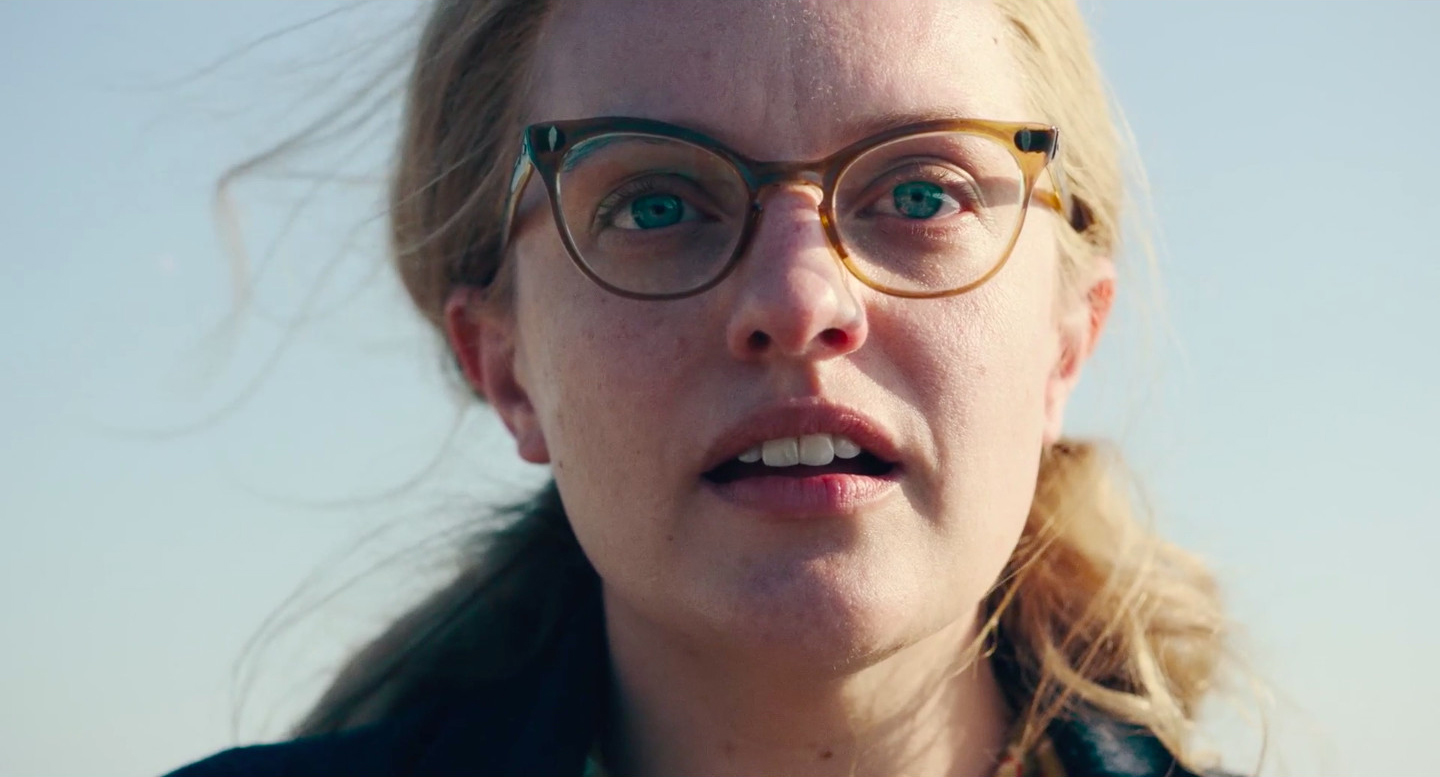
2020
Director: Josephine Decker
Starring: Elisabeth Moss, Odessa Young, Michael Stuhlbarg, Logan Lerman, Victoria Pedretti
Words – Carly Stevenson
The first thing to note about Shirley is that it is not a biopic. At least not in the traditional sense. Adapted from the novel of the same name by Susan Scarf Merrell, Shirley focuses on a fictitious scenario involving American novelist Shirley Jackson (Elisabeth Moss) and a young couple named Fred and Rosie Nemser (Odessa Young and Logan Lerman).
The premise is as follows: Shirley’s husband Stanley (Michael Stuhlbarg) invites the Nemsers to stay in their home for a short period while Fred settles into his new teaching post at Bennington College, where Stanley works as a professor.
The film opens with a shot of Rose reading Jackson’s notorious short story ‘The Lottery’ on the train journey to Vermont. Aroused by the macabre tale of civic barbarism, Rose initiates a bathroom rendezvous with Fred. A signal that, beneath her veneer of politeness, Rose is not a conservative housewife. Their fervent lovemaking serves as a sharp contrast to the sterility of Shirley and Stanley’s relationship. Plagued with bouts of depression and writer’s block, Shirley spends hours in bed chain-smoking while Stanley openly pursues other women. He looks after Shirley when she takes a bad turn, but he also infantilises her and relentlessly critiques her work.
Throughout the film, Shirley is presented as co-dependent and volatile. Her only sources of excitement seem to be drinking excessively and misbehaving at social gatherings. At first, Shirley is hostile towards the Nemsers and she conspires with Stanley to make their lives difficult. However, as time passes, she comes to rely on Rose and the two women form an unlikely attachment. Intrigued by Shirley’s writing process, Rose attempts to help Shirley research her new novel, which is inspired by the disappearance of a local girl.
Shirley is set almost entirely within the domestic sphere. There are a few woodland and campus scenes, but for the most part, we are confined inside the house. This location clearly reflects the stifling expectations imposed upon women during this period. Like Shirley and Rose, the audience are hemmed in and forced to endure the monotonous scenery.
Elisabeth Moss gives a compelling performance in the title role. Even when Shirley behaves in a way that is manipulative and callous, we never lose sight of her vulnerability. What is less compelling is the ways in which the film leans into stereotypical notions of neurotic female genius. For some, the name Shirley Jackson is synonymous with the idea of morbid and ‘unhinged’ female creativity (see also: Jackson’s contemporary, Sylvia Plath). It is true that Jackson was reclusive (the word we often give to people who don’t suffer fools gladly); it is also true that she struggled with mental ill health; but she also raised four children whilst earning a living as a prolific writer – a feat that is curiously missing from this portrait.
Nevertheless, the film captures the spooky, dreamlike atmosphere of Jackson’s writing well. Rose resembles the haunted women of Jackson’s novels and her crisis at the end of the film is presented as a kind of epiphany rather than a tragic spiral into ‘madness’. In very different ways, both Shirley and Rose eschew the rigid gender expectations of the time and emerge with a greater sense of their own agency.
 REEL STEEL
You must be logged in to post a comment.