Captain America: Civil War
2016
Director(s): Joe and Anthony Russo
Starring: Chris Evans, Robert Downey Jr, Scarlett Johansson, Tom Holland, Jeremy Renner, Elizabeth Olsen, Chadwick Boseman, Paul Rudd, Anthony Mackie, Paul Bettany, Sebastain Stan
Words: C. Abbott
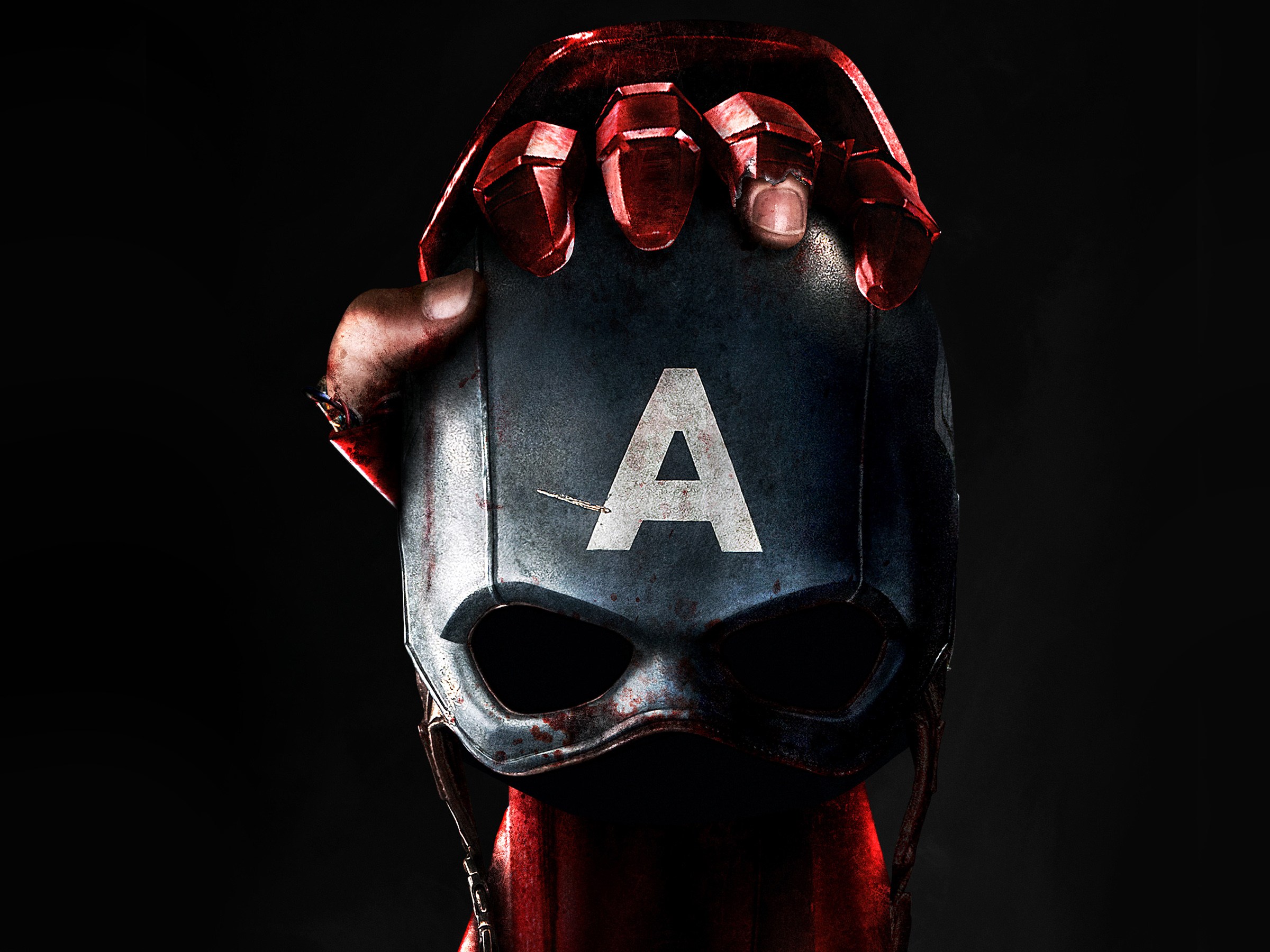
So here we are, eight years on since Iron Man hit cinemas and began this entire journey. Eight years since Hollywood decided every franchise needed to be part of a larger universe. Eight years since the death of the standalone superhero film. In many ways it feels like everything has been building to this moment, the moment when Marvel Studios realised they just cannot provide a half decent villain so why not pit our heroes against each other. This isn’t so much a Captain America film than it is another Avengers one, as many characters within reason have a moment to shine here with varying degrees of success. There is a lot going on within the narrative of this film and it is both impressively coherent and ultimately underwhelming.
The division of our favourite heroes comes from collateral damage of previous battles. The events of Avengers, Age of Ultron, Winter Soldier and more have led to the UN deeming our heroes as nothing more than vigilantes. They are required to sign a document which dictates they can only act under government control and this obviously divides opinion within the team. Iron Man is pro, Captain America is con – let battle commence.
Under the most basic of scrutiny you’ll find how weak this reasoning is. Forget how these men and women have saved the planet on numerous occasions, “my son died during one of them so I now hate them”. Give me a break. Regardless, they are now at odds and we are at a moral impasse of what to do. The issues here hold back what could have been Marvel’s most mature and engaging film yet, they can be sorted into two factors: fear of vilification and contractual obligations.
The first issue is one that the Russo brothers, who directed the film, unknowingly brought up when they stated that “some people came to see this film for one specific character”. When writing the script there seems to have been a fear of making some of the characters unlikeable, especially in regards to Iron Man. All moral ambiguity and character justification is gone when both are trying to please their fans and not act in a way that’ll displease them. It results in a distinct lack of narrative tension which brings us to the films other issue: zero impact. Going into this film we are aware of the fact that these characters are fine, nothing will change and everyone will be happy. In Marvel’s defence this is what they want, these are films to simply entertain, and in that sense they succeed. However eventually they’ll have to address an issue that is becoming more and more apparent, the ever decreasing feeling of investment when you know everyone is fine.
There is much to enjoy here though, seeing all these characters together, while never achieving the heights of the first Avengers team-up, is still a delight to behold for any fan. The introductions to new characters like Spider Man and Black Panther are welcome and exciting for their upcoming films. The Russo’s prove yet again they know how to run a tight ship with the action being some of the best in the series and providing exactly what people want and expect. This is a fun joyride of a film that we’ve all come to expect from Marvel at this point, it’s familiar yet pleasing and does exactly what it should.
Marvel, eight years on proves that it really isn’t going anywhere soon despite the issues that are beginning to crop up. With films planned until 2029 we have a long road ahead of us. Next year will see the beginning of three MCU films released yearly, only time will tell whether or not audiences will begin to grow tired of this golden age for the superhero.
Mustang

2015
Director: Deniz Gamze Ergüven
Starring: Günes Sensoy, Doga Zeynep Doguslu, Tugba Sunguroglu, Elit Iscan, Ilayda Akdogan
Words – Rhiannon Topham
“It’s like everything changed in the blink of an eye. One minute we were fine, then everything turned to shit.”
A multi-award winning tale of five orphaned sisters from a small village in suburban Turkey, Mustang transcends the mainstream, lachrymose coming-of-age drama that’s over-reliant on its Tumblr-worthy aesthetic captioned with musings on the complexities of adolescence. It is a purposely controversial and revelatory message which represents a previously untold story of resistance and resilience, the binary opposition in the traditional roles of men and women, and sexual innocence and freedom, or lack thereof.
From the outset, it is a film rooted in the bonds of friendship and sisterhood, as protagonist Lale bids a tearful farewell to her teacher, who is moving to Istanbul. Her four elder sisters tease her for responding so emotionally to the departure, but Lale’s attachment to her teacher becomes more comprehensible once we are introduced to her tempestuous relationship with her grandmother, who has raised the sisters alongside their uncle since the death of their parents. When the girls return home from a post-school trip to the beach with male friends, their grandmother immediately brandishes them as “sullied”, scolding and hitting them because gossip of their inappropriate contact with boys has been circulating the village. Thereon, the girls are imprisoned in their house, confined to “shit-coloured” drab clothing, stifled by their grandmother’s monotonous housewife training regime to prepare them for marriage, and banned from using anything likely to pervert them.
To a British audience, the grandmother’s decision to completely withdraw the girls from their usual lives then marry them off one by one is extreme control bordering a dictatorship, but she herself is burdened by the pressures of Turkish gender ideals and is consequently blamed for the girls behaviour “because [she] couldn’t do her job properly”, said job being the exemplar female role model of a passive caregiver and nurturer. It doesn’t demonise the grandmother and uncle, despite their obsession with the girl’s sexual purity, nor does it attack religious motivations, but Mustang does add momentum to the spotlight on several morally questionable scenarios that derive from a very conservative and patriarchal context.
Though certain characteristics are a little too stereotypical of the ‘tomboy’ image, Lale is the budding feminist icon that cinema has been craving for so long; the youngest sister, she’s also the most protective of her clan, wise beyond her years, and a real diamond in the rough. She sees the challenges her grandmother and uncle are hurling at her siblings, but stays consistently true to what she believes and has the initiative to unshackle herself by putting her foot down (literally). Her semi-spontaneous ploy to escape what she describes as the “nut-house” with sister Nur on the latter’s wedding day is surprisingly exhilarating because Lale is such a fiercely sharp character that it is impossible not to invest in her aspirations.
Aside from the faultless casting and laudable acting, what cements Mustang as one of the most impressive cinematic achievements of the year is its capacity to tackle uncomfortable and controversial topics, such as abuse and arranged marriages, in a way that perfectly balances tension and shock with tenderness and compassion, especially the sisters’ defiant gaiety in the face of adversity. It may be a unique example, but it is rare and refreshing for the turbulence of sisterhood to be portrayed so naturally.
Net Picks: Bad Words

Net Picks is your weekly digest of some of the best movies and TV shows currently doing the rounds on streaming sites such as Netflix, MUBI, Amazon Prime, Curzon Home Cinema and On Demand services such as Freeview and Sky Movies.
2013/ USA
Director: Jason Bateman
Starring: Jason Bateman, Kathryn Hahn, Rohan Chand, Philip Baker Hall
Currently streaming on: Sky Movies
Words: J. Senior
We all know Jason Bateman, he’s that guy from all those charming American comedies you may have seen, think; Juno, Up in the Air, Dodgeball or Bad Neighbours. Never the leading man, but always there, just about in the foreground keeping us entertained. He’s also on the other hand the glue that binds the hit cult-comedy Arrested Development together. He’s a bit of an oddity, he’s one of those actors that’s too famous for television but rarely gets his moment to shine on the big screen.
That was true until 2013 when Bateman made the calculated move to step behind the camera and direct his first feauture film. Having caught it for the first time last week, Bad Words is really at odds with the more straight-laced American everyman that Bateman usually protrays. It’s obviously an incredibly personal and pensieve film about abandonment, but also questions and pushes, the boundaries of morality.
In short, Bateman’s character Guy Trilby enters Spelling Bees, usually only contested over by children, in order to claim some kind of warped revenge on an unknown character. The technicality that he never passed the Eight Grade in High School means he is still eligible to compete, to the astonishment of children and parents alike. He is aided in this by Jenny (Hahn), a journalist who is travelling around with Guy to get the scoop on the real reasons behind him entering and winning children’s spelling competitions. Whilst being linguistically superior to his opponents he also uses a series of mind games to distract the kids he seeks to defeat. Guy Trilby is for all intents and purposes a horrible person, and Bateman revels in the role. Bad Words never stops to question why either really, like Guy Trilby the film doesn’t give a shit what you think, and I quite like that.
Guy’s past is never really discussed, nor is his future. The film is a snapshot of a man who is single mindedly trying to achieve something futile, and provoking hate in every person he comes across. There are pretty much no depths he wont sink to in order to win. Watching him tell an 8 year old that he’s slept with his mother to psych him out, is genuinely hilarious viewing.
Kathryn Hahn is his perfect foil in this film, she’s also quite similar in terms of her career trajectory. Her most memorable roles (for me anyway) are as a woman who seduces John C. Reilly in Step Brothers and as the political spin-doctor Jen Barclay in Parks & Recreation. Her character is also immoral and desperate. She can’t even look Guy in the eyes when they have sex, and helps him exploit the legislation of the Spelling Bees to gain entry to compete. Their relationship on screen is one of mutual dislike, they both need each other but don’t really care for each other a great deal.
In essence it’s a film about being at your lowest and doing whatever you can to cling to some semblance of happiness. It isn’t big on laughs but the ones it does produce are pretty impressive for their sheer debauchery and lack of restraint. If you can get past the filth and the immorality of it all there is some beauty in there… if you look hard enough.
With his next feature The Family Fang not far around the corner, it will be interesting to see if Jason Bateman can finally make a real artistic impression, and rather than being a supporting player truly make a name for himself. On the evidence of Bad Words he is more than equipped to do so.
Must See Movies: May

We here at Reel Steel care about cinema, and as a result we care that you, our readership are going to see the very best that cinema has to offer.
Everybody Wants Some
released May 13th, 2016
Richard Linklater returns from the astonishing success of his magnum opus, Boyhood, with a film he is billing as a ‘spiritual sequel’ to his early hit Dazed & Confused.
Any film the director sets his name to is worthy of attention, so his return to the nostalgia set coming of age tale of Dazed & Confused is an exciting one – with this comedy about college life in the 1980s.
This does seem to be a somewhat less prestigious Linklater project on the back of the award winning Boyhood, yet he has always had an innate talent to make even his more commercial works well-renowned, whilst his talent at casting unknowns and getting it spot on is second to none.
Green Room
released May 13th, 2016
Jeremy Saulnier made the stark, violent and profound Blue Ruin in 2014, and returns here in which a punk rock band see an act of violence not meant for their eyes in a backwater venue, and are terrorised by a violent neo-Nazi gang, lead by Patrick Stewart.
With a strong cast including Imogen Poots, Anton Yelchin and Alia Shawkat, and if Blue Ruin is anything to go by, Saulnier is a film-maker to watch very keenly.
This film means business.
X-Men: Apocalypse
released May 18th, 2016
10 years have passed since the events in X-Men: Days of Future Past, and the world faces its greatest threat when Apocalypse (Oscar Isaac), the world’s very first mutant, reawakens after thousands of years and sets out to create a new world order.
As it falls to our mutant heroes to stop Apocalypse and save the world from destruction, this looks to be the biggest X-Men film yet, and possibly set to take the top spot of Marvel superhero blockbusters.
Net Picks: Marvel’s Daredevil

Net Picks is your weekly digest of some of the best movies and TV shows currently doing the rounds on streaming sites such as Netflix, MUBI, Amazon Prime, Curzon Home Cinema and On Demand services such as Freeview and Sky Movies.
2015- Present
Creator: Drew Goddard
Starring: Charlie Cox, Vincent D’Onofrio, Deborah Ann Woll, Elden Henson, Jon Bernthal, Elodie Yung, Peter Shinkoda
Current streaming on: Netflix
Words: J. Senior
Ever since the distant year of 2003 comic book fans around the world have been crying out for someone to finally do justice for the character of Daredevil. Possibly one of Marvel’s most iconic and beloved graphic novel characters. Sadly, due to the exploits of Ben Affleck, Colin Farrell and director Mark Steven Johnson, it took the character over 11 years to recover from the dreadful movie adaptation that was released by Twentieth Century Fox. As an action movie it had everything you needed to be entertained, but it missed out the inherent grit that Daredevil is defined by.
For the uninitiated, Daredevil A.K.A Matt Murdock, is a blind lawyer who lives in the district of Hell’s Kitchen in New York. Blinded as a child, he was in the same accident, blessed with super heightened senses, meaning that his hearing, touch, taste and smelling reflexes compensate for his lack of sight. He is technically blind but can still “see” with the aid of this power. This means that he can fight expertly and perform daring death defying stunts without the hindrance of fear that real sight provokes… hence his name being Daredevil. By day he fights crime in the courtroom with his legal partner Foggy Nelson and by night he delves deeper into his legal cases, dishing out vigilante justice to see that any criminal that escapes a federal charge is put behind bars… And that’s a brief overview… word counts being considered…
With that in mind we’ll not go into too much depth as to why Ben Affleck’s Daredevil was so truly awful. Other than the fact that Daredevil goes around murdering people, Colin Farrell played Bullseye as an Irish bar brawler with a head tattoo and Jennifer Garner pouted for two hours without ever being truly convincing, it just didn’t work. It was Fox’s attempt at an adult super hero movie, way before the genre was in need of such an evolution but without being brave enough to go all out for the R-rating. It was basically Deadpool; way before it’s time, with shit actors and nowhere near as many jokes. Apart from that peanut choke scene.
Fox deliberated with the Daredevil property for years, a sequel nearly surfaced *shudders* (there’s a post credit scene in the Elektra movie that eludes to this) and a version by director Joe Carnahan set in the 1970’s that almost came to fruition. The latter came so close to filming that casting was in process before the rights happily reverted back to Marvel in 2012.
The deal to adapt Daredevil onto the small screen via Netflix, was a stroke of genius. In the intervening years thoughtful and intelligent narratives have tended to crop up, more often than not, in TV dramas with shows like The Walking Dead, Game of Thrones and Breaking Bad flying the flag for complex and in-depth character driven stories. It also serves Daredevil well, as a character he has a rather complicated and drawn out genesis that begins in childhood. In more ways than one he is similar in that respect to Spiderman (who coincidentally has never seen cinematic justice). He also faces off against an array of villains that have long back stories and are intertwined with other heroes in the Marvel universe. Kingpin (played by Vincent D’Onofrio in the TV series) crops up in Spiderman stories as well for example.
What creator Drew Goddard and co. decided upon when they began the process of creating Daredevil in 2013, and subsequently Jessica Jones, Luke Cage and Iron Fist (the latter two we have yet to see as of yet) is that the show needed to be stylistically unique, and although a part of the Marvel Cinematic Universe, it also needed to stand alone. Daredevil is a more human story, he isn’t an Avenger or a World defending alien, he is a man that is deeply entrenched in the politics of the district in which he lives. It draws heavily from Frank Miller’s Daredevil comic, see Matt Murdock’s black cowl in Season 1, and also martial arts films like The Raid and Oldboy. The action scenes are expertly choreographed and high on violence. The show is also a story of social justice, that feels like Boston Legal with super heroes thrown in for good measure. It follows the in-vogue trend set by Christopher Nolan, in that it is measured and realistic, whilst also touching upon areas that are mythical and unknown. It’s believable and enthralling.
The primary focus of the series is the trio of Matt Murdock (Charlie Cox), Foggy Nelson (Elden Henson) and Karen Page (Deborah Ann Woll) who run the small and fledgling law firm Nelson & Murdock. By day we see their struggles, representing clients who are poor and have no defence against the law and big money court cases. By night we follow Matt as he begins his journey to become the hero of the show’s title. In Season 1 he pursues a crime syndicate headed by D’Onofrio’s Kingpin. Daredevil is tasked with fighting the Kingpin’s operations from the bottom, on the streets under the shadow of night. Which often sees him face-off against scores of villains; Russian mobsters, biker gangs and sword wielding ninjas. Whilst also trying to bring down Kingpin’s conglomerate company through the courts. At times the acting can be pretty hard going, but when the action kicks in, all that fades away. Goddard and co. seem to revel in placing Daredevil in situations that seem inescapable and relish in the tension as he fights to make his way out.
This year they have ramped things up in Season 2, bringing in anti-heroes such as The Punisher (Jon Bernthal) and Elektra Natchios (Elodie Yung). This sees our hero facing conflict on multiple fronts and having to divide his time between his everyday life and his alter-ego. It’s a real masterstroke that opens up new narratives while refreshing previous ones all at the same time. Charlie Cox is excellent at performing the dual role on screen and it isn’t out of the question that he may crop up at some point later down the line in an Avengers movie or something similar.
This may be tied into stories like Thor and Guardians of the Galaxy but it’s a far more real and human story, which prides itself on its visual concept. This isn’t the kind of story you can tell in a feature film. It deserves every one of its 26 episodes so far, with the promise of more to come. The fact that it was the building block for the other Marvel TV series previously mentioned, that are now moving into production at a rapid rate, is testimony enough.
If you enjoy thoughtfully paced character driven TV shows that can also deliver on stunning levels of action then look no further. Daredevil it seems, is here to stay, and is settling in for the long haul. I cannot wait for Season 3 already and I’m not sure how I’m going to fill my waking hours for the next 11 months… beats 11 years I suppose…
Dheepan
2015/ France
Director: Jacques Audiard
Starring: Jesuthasan Antonythasan, Kalieaswari Srinivasan, Claudine Vinasithamby
Words: R. Topham
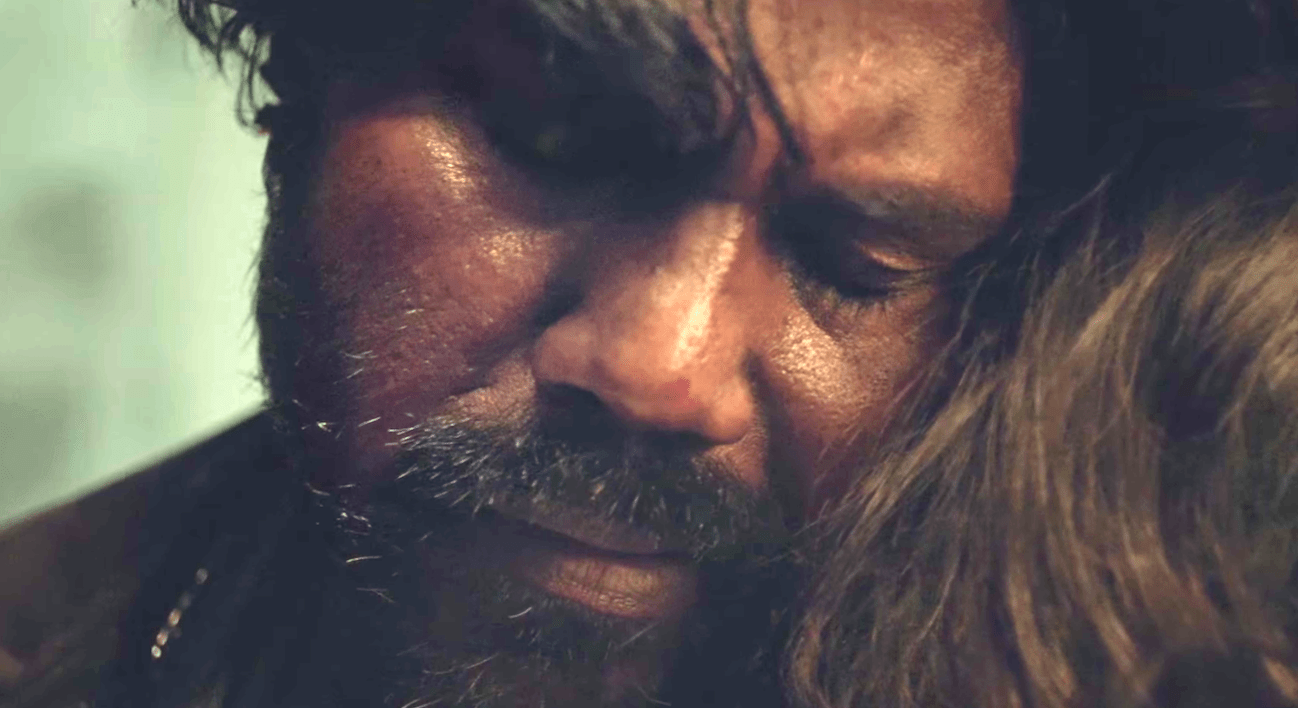
An insightful, touching and surreal journey, the film follows the eponymous hero, real name Sivadhasan, and his pretend family, ‘wife’ Yalini and nine year old ‘daughter’ Illayas, on their journey to security after they flee from the civil war in Tamil, Sri Lanka. It emerges that Dheepan isn’t quite the homely type he initially seems to be, and their tumultuous new life on a housing estate in the northeast suburb of Paris goes from terrible to downright unholy, stylistically echoing the tension of the exemplars such as Drive and Sicario just when the situation warrants it.
Dheepan succeeds as one of the most candid films of the year so far because it is so rooted in the development of the characters. Yalini struggles to adopt the maternal role she’s expected to fulfil because her dream of a new beginning was individualistic rather than altruistic, and her hostile behaviour towards Illayas is not the result of an inherent malevolence but because she is haunted by the traumas of her war-torn life in Sri Lanka, and this, though not common or particularly relatable to the mainstream cinema-going audience, is an incredibly poignant situation that magnifies a strain we see passively reported on by the media so much, but rarely delved into on a more human level.
The acting is admirable but the narrative is slightly convoluted – Dheepan meets with his old Colonel who asks him to partner with him in obtaining weapons to send back to Sri Lanka, and then this is barely mentioned again, making one wonder why it was even included in the first place. Once things well and truly kick off on the estate, Dheepan loses his shit and reveals his sinister side, appearing to cosy up to the elite as a means of advancing his status and potentially obtaining weaponry (but, as mentioned above, this is not readdressed so it’s uncertain what Dheepan’s motive is) but then this is swiftly forgotten about and the film somewhat hurriedly ends.
High-Rise

2015/ UK, Ireland, Belgium
Director: Ben Wheatley
Starring: Tom Hiddleston, Jeremeny Irons, Sienna Miller
Words: C. Abbott
The latest work from director Ben Wheatley is one of his most obtuse and intriguing films thus far. It doesn’t quite fit into any pre-established narrative boxes or existing examples of genre fiction. This is a unique beast, and a difficult one to tackle. In fact, on a personal level it took two viewings to really grasp this films identity and settle on my feelings towards it. This is a vision of the future from a paranoid past and created in a discontent present. Dystopian, isolating and darkly amusing, there really are few other examples of this particular narrative.
Set almost entirely within the confines of a bare, imposing high-rise apartment block, we witness the sudden and devastating collapse of its residents, society and ecosystem. To guide use through this self-contained ‘fall of Rome’, the character of Dr. Robert Laing (Tom Hiddleston) journeys with us through the discovery and oddly attracting qualities of living in such a hell. This provides the films backbone, the performance Hiddleston gives is alluring and wildly entertaining. It is clear he put his all into convincing the audience, or perhaps distracting them of the bizzaro world the narrative operates in. Laing has numerous encounters throughout the proceedings with the architect of the building, Anthony Royal (Jeremy Irons) which often provide the strongest moments of the film. Irons is completely captivating as this restless, futile pseudo-god living atop the building. This forms into a rather blatant critical assessment of our own society, one of class and discontent.
The issue with the film is that it just isn’t as clever as it thinks it is. The reflective exploration of society is all surface; any subtly is lost by the second act as it descends into violence and chaos. The meaning here is clear yet not impactful, there is only so many times you can witness the mistreatment of dogs before your eyes start to roll and your body begins to fidget. It all begins to feel wasteful. It was once said that this was an un-filmable story, while that isn’t entirely true as this does have plenty to offer, it is an understandable statement. Pacing is the strongest enemy here, trusting us from order to chaos at moments notices, with little investment to be had. This is a shame because the characterisation is truly compelling and ultimately feels as though the script could have used two or three more drafts.
Wheatley however should be commended for finally bringing this narrative to screen, even if the results are imperfect. It is a flawed, messy and uneven film yet an undeniably interesting one. This is set to polarise and will get people talking, which is a great thing. Elevated by standout performances and is aesthetically unique, everyone will have a strong opinion towards this which is better than what the majority of films can provide.
Midnight Special

2016/ USA
Director: Jeff Nichols
Starring: Michael Shannon, Jaden Lieberher, Kirsten Dunst, Adam Driver, Joel Edgerton
Words: J. Wood
There will come a time I feel in the not too distant future in which Jeff Nichols could well be considered the most important filmmaker of his generation. He is part of the first group of filmmakers who grew up watching Steven Spielberg’s blockbuster cinema and being directly influenced by it and while the likes of J.J. Abrams (Mission Impossible III, Star Trek, Star Trek Into Darkness, Star Wars: The Force Awakens), Gareth Edwards (Star Wars: Rogue One, Godzilla), Colin Trevorrow (Jurassic World) and Rian Johnson (Star Wars Episode VIII) have all been tempted to big studio projects of pre-existing properties, Nichols has remained happy in his first four features to build an individual body of work that could well keep improving if his career progresses in the way it is currently doing so.
Midnight Special follows on from Nichols’ previous films in clearly being inspired by the works of Spielberg whilst still being deeply rooted in Nichols’ own rural Arkansan sensibility. With the exception of the darkly brooding Shotgun Stories, you can see how the works of the master have seeped into Nichols’ storytelling; the slowly building mania of Michael Shannon’s character in Take Shelter recalls Roy Neary’s obsessive behavior patterns in Close Encounters Of The Third Kind whilst that joyously nostalgic ‘boy’s own’ mentality that so defined E.T: The Extra Terrestrial and the Spielberg produced The Goonies was served in a more world weary way in Mud, the bayou set crime drama starring Matthew McConaughey. Both Close Encounters and E.T., as well as John Carpenter’s Star Man are clearly big influences here, as indeed is the relentless pursuit of Duel, and while I would not expect Nichols to be making big fish movies at any time in the near future (incidentally his next film, a drama about interracial marriage in the Deep South called Loving is already in the can), I would anticipate the less obvious side to Spielberg’s filmmaking remains a big part of a varied and interesting career.
What then of Midnight Special as a film. It is a curious beast that creeps slowly up on you to deliver a knockout blow that left me particularly spellbound. Nichols has resisted the temptation to up his filmography a notch by taking it to more glamourous locations. Instead we remain resolutely amidst the motels and highways of Texas, Louisiana and Florida as this bizarre yet thoroughly engaging story plays out. There is very little in the way of out and out special effects, the film still grounds itself firmly in its locations. There are very few chases or shootouts, and I read into the film that Nichols is merely using the science fiction framework to make a film about the nature of parenthood. From the very early scenes, in which the child at the centre, Alton Meyer, is seen in a motel room with his paranoid father Roy, their bond begins to grow as Roy’s urgency to protect his family from their pursuers mirrors a theme present in all Nichols’ work. The film does have some special effects, most notably the trailered ‘powers’ possessed by Alton but if truth be told the most spectacular thing about the film is how imaginative it is in mundanity. One big scene takes place in a field, between two characters, featuring only wildlife and a sunrise. Rather than let the scene be about the spectacle, Nichols ensures that this scene is about two characters and their unfaltering devotion to one another in the quietest, least significant way possible.
This is just one of those rare films in which everything it touches turns to gold as the pieces fit together so beautifully to form a breathtaking narrative. The film’s villains, if that is the right word for them, are very well constructed without taking the attention from the main focus of the film, but serving as natural drivers of the story. It is a brave move to tackle a Scientologist like Church in a science fiction story and whilst they are not really given much screen time, save for a scene setting moment led by the quietly sinister Sam Shepard, their inclusion raises some genuinely interesting faith based questions that the film never feels the need to answer, and yet makes them feel ultimately necessary to the story. Meanwhile the Governmental aspect of the film is led by Adam Driver, who makes for a much more nuanced character than I had ever expected, and who brings his strange charisma to a role that could so easily have been a cipher. He has an amazing one on one scene with Alton that ranks with the films very best.
Midnight Special also deals very well with its action sequences, most of which revolve around cars. Cinematographer Adam Stone, a regular collaborator of Nichols’ really does a great job of the mostly nighttime car chase sequences, and without his work the thriller aspect of the film probably would have struggled to work. One sequence involves a gas station and genuinely left me slack-jawed with wonder at the bravery and technical brilliance of the team behind it. Meanwhile another regular Nichols collaborator David Wingo, creates a score that has the overtures of John Williams and yet the synthesized stylings of Carpenter, whilst wisely eschewing the big showpiece theme for something that may not be as memorable as the most famous scores, yet for a film this singular works like a dream.
The leads are simply out of the park good. There is clearly a wonderful understanding between Nichols and Michael Shannon, an extraordinary actor, in my mind the best working today, as their regular work together brings the very best out of Shannon. Considering this is an actor who can bring gravitas to something as flimsy as Freeheld, when given a script and a character like Roy he can be truly exceptional. He possesses that rare quality of being an utterly sympathetic and yet truly unhinged screen presence at the same time and whilst the film indicated that Roy is its hero, Shannon still imbues him with a sense of off-kilter menace that brings an unpredictable edge to proceedings. The bond and understanding he forges with his young co-star, the equally brilliant Jaeden Lieberher, whose performance I think is the true driving force behind the film’s success, is impeccable and genuinely allows for his character’s natural progression and realization of the path events are taking is wonderful. Meanwhile Kirsten Dunst gives a similarly motivated, if less drawn out portrayal of Alton’s mother, which is tear-jerking, whilst Joel Edgerton stands firmly out as the hulking beast of a man genuinely able to comprehend events around him. This is the character I believe represents the audiences.
Midnight Special, in my mind, represents the true dawn of a major new talent in filmmaking, one that will remain for many years to come. This film reminded me of early M. Night Shyamalan as well as Spielberg, all sharing an innate ability to get the best out of young actors. Midnight Special is science fiction at its very best, it serves as a powerful allegory for it’s true topic, and at the same time is able to amaze and inspire wonderment in its audience. A modern classic.
Victoria
2015/ Germany
Director: Sebastian Schipper
Starring: Laia Costa, Frederik Lau, Franz Rogowski
Words: J. Wood
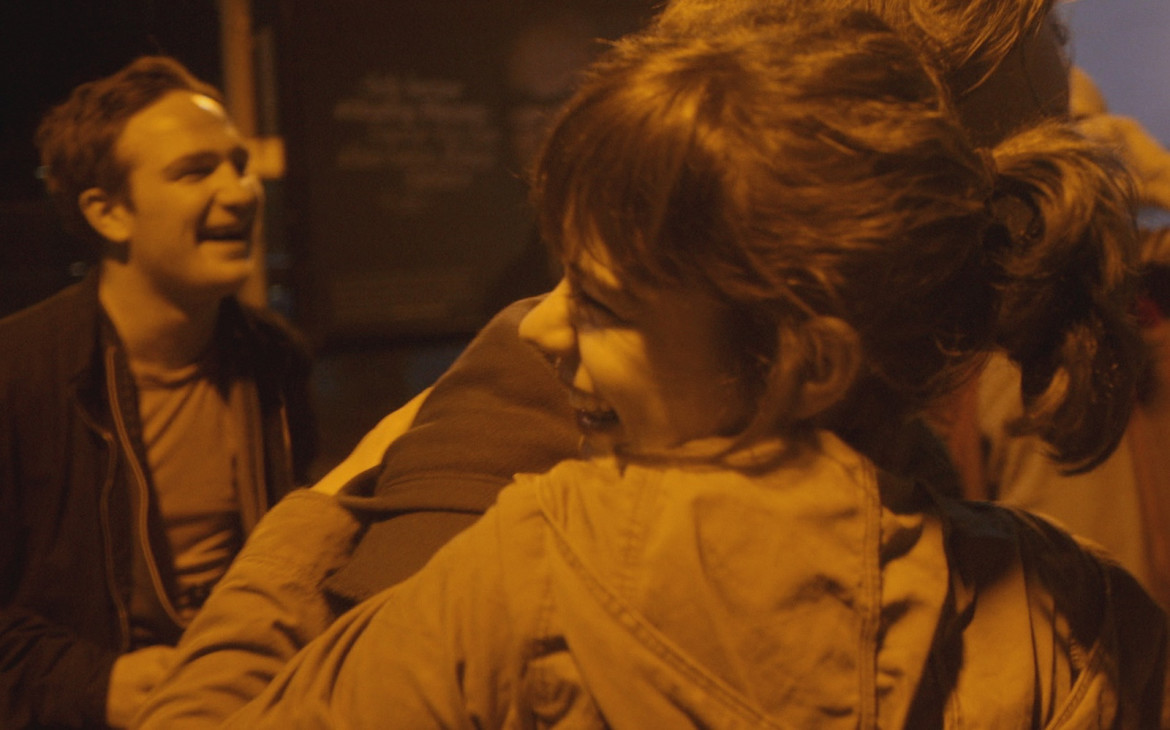
Victoria is the most unexpected of success stories and, at less than a third of the way through the year stands as a very strong contender for Best Film of 2016. The film starts out steeped in mundanity, the titular character, a Spanish café worker living in Berlin leaves the electrifying atmosphere of an underground nightclub, and in doing so meets four guys. There is something not quite right about them but soon enough the audience, like Victoria warms to them and the film seems to be playing out like a paean to the city of Berlin. Then something happens, the film heads off in completely different directions, to underground parking lots, into cars down abandoned dawn streets, residential areas and hotels, and all this is done in one single take.
Just let that sink in for a moment, one take. That’s right, the film follows these relatively inexperienced actors through their nighttime Berlin odyssey in its entirety for two and a quarter hours without stopping for breath, without cutting, editing. That already sounds impressive until you see some of the shots and locations in which the camera finds itself. Save for a few minor stumbles or brief losses of focus Sturla Brandth Grovlen manages to move his camera from the pounding electronic settings of the nightclub, into all night newsagents, lifts, cars, cafes, garages, hotel rooms, apartments, and all across the streets of Berlin. He is able to take in terrifying gangland confrontations, a heist that reminds you of the sequence in Spring Breakers where a restaurant is held up, seen from the driver’s perspective as she circles the robbery waiting for her charges to return to their getaway vehicle, and a shootout through a residential area. You tend to think of films as scenes and yet this film is a series of sequences strung together in one single scene, and the way in which the plot unravels over a real-time sequence is breathtaking to behold.
Of course how easy it would be to dismiss all this as a gimmick to sell a less than impressive film. My opinion on this is that yes, it would if the film were not so honest in how it tells its story. You appreciate the little stumbles and blurred seconds more because it only adds to the authenticity that the film exudes. Compare this to Alejandro Gonzalez Inarritu’s Birdman, a fine and enjoyable film but sold on a similar exercise that is a gimmick, given that it is painstakingly edited to remove any blemishes to its perfection. Victoria is more akin to my personal favourite film of all time, Boyhood, in that it is an easily marketed film thanks to its Unique Selling Point and yet it has the substance and intelligence to back it up.
The Boyhood connection does not end there. When I first saw this film I immediately found myself describing it as Linklater slowly and surely merging into Tarantino, and I stand by that quote. The film is rather slow to set off into what is billed as a heist thriller, instead pleasantly ambling through early morning suburban Berlin, lovingly portraying the city and giving a real world view of it rather than a movie view, which helps it to slowly and surely become a character in the film itself. The film spends its first movement as the cerebral and yet thoughtful walk and talk movie style Linklater has so perfected in his Before trilogy, and really captures the essence of the characters before allowing the film to turn on one moment into a middle act that is in equal parts Tom Tykwer’s Run, Lola, Run, the aforementioned Spring Breakers and Michael Mann’s Heat. The finale is how I would imagine the works of Nicolas Winding-Refn or Tarantino.
This does all sound like a real car crash of a movie and yet it works because of Laia Costa, the young Spanish actress who carries the weight of the film on her shoulders. The camera may not be on her for the entirety of the movie, it does spin around at junctures to examine the other characters, but unlike anyone else she is always in the location of the camera, and she handles the pressure with astonishing maturity. The Linklater-esque opening is key to the film’s success. This is a narrative that is built around a moment of reckless stupidity, a decision that had you not seen the precursor to its making you would never have invested in it in the way the film needs to. The whole opening act is designed to make Victoria a real person, a bit reckless and carefree but someone wholly enjoyable to be around and, importantly, sympathetic. Her chemistry with Frederick Lau is an important cornerstone that cements the character, and the scene in which she tells him, emotively about her failed dreams of pianist stardom is not only a fantastic piece of acting but also justifies the rest of the film.
From there Costa just exudes the air of someone totally out of her comfort zone, which I guess she really was given the nature of the film. From terrifying confrontations with gangsters, to the tensest sequence you could possibly think of involving a stalled car I found myself genuinely nervous I was that invested in her predicament. Even in spite of the dark turns the character and film take, even as you implore her not to take certain courses of action you desperately hope they pay off for her. Hers is one of the finest performances I have seen from an actress in some time and I genuinely hope that this opens doors for her. Equally Lau is very good as her companion Sonne, whilst the rest of the young actors are very good at essaying a youthful exuberance that very quickly leads them out of their depth.
Even at the moments when the improvised dialogue does not quite have the desired effect the simplicity of the narrative and the atmosphere of the film are enough to overcome this. For a thriller this is a remarkably still and unhurried film, action sequences are few and far between and lack the unwanted kinetic tone that many thrillers are wont to unnecessarily use. Given the nightclub opening I had expected a pounding dance music score yet as the film develops Nils Frahm’s score truly understands the aim and compliments it with a wonderfully varied score that serves as a blessed relief from what could have been too overbearing an accompaniment to an otherwise wonderful film. The film’s final scene is so understated it is almost forgettable, but then you realise that director Sebastian Schipper’s intention with the film was not only to make a good, strong, female-led thriller but to showcase Berlin in an affectionate yet brutally honest way, something he has succeeded in doing with ease. One thing is for certain, after making a near flawless film of such gargantuan technical challenge, his next move will be one of real interest.
Batman v Superman: Dawn of Justice

2016
Director: Zack Snyder
Starring: Ben Affleck, Henry Cavill, Jesse Eisenberg, Amy Adams, Gal Gadot, Jeremy Irons, Laurence Fishburne
Words: J. Harris
Batman v Superman was always going to have a tricky birth, having comic book stories of various incarnations in decades gone by (our title characters have met many times before), and becoming one of the most anticipated superhero movies to take a slice out of the domination of the Marvel Cinematic Universe, this film had hype only exceeded by its expectation.
The duties of director for this feature fall to Zack Snyder, whos previous credits include overseeing Henry Cavill in Superman’s previous outing in Man of Steel, where the Dawn of Justice story here follows.
We start with the unfolding climax of Man of Steel where Zod battles with Superman for the fate of the earth, but from the perspective on the ground through Bruce Wayne, where the city receives widespread destruction and collateral damage with thousands of lives lost. It’s after this that the world becomes a place divided in their view of Superman – to some, he is revered as a god, to others an alien menace who has brought nothing but uncertainty to our world. Bruce Wayne falls into the latter, and following the events with Zod is enraged to reprise his Batman alter-ego, fearing the consequences of a god-like alien being left unchecked.
There are several intertwining stories here:
The People vs Superman – where after witnessing the widespread destruction brought to Earth the questions, Who is he? and What does he stand for? are being called for answers.
Clark Kent (the journalist) vs Batman – desperate to uncover the mystery of the masked vigilante and expose him for the criminal he feels he is.
Lex Luthor vs Superman – an original villain and superhero story.
Then of course we have the clash between our title characters.
The problem here is that this develops a central flaw with the film – an incoherent story.
Throughout the film we go back and forth in time through flashbacks, witness dream sequences / visions of an alternate reality, see the introduction of new characters (sometimes in a slightly confusing manner, but paving the way for forthcoming Justice League adventures), and see comic book story references that can only really be made sense of by someone who is more than the average fan – all of which feels slightly exhausting.
This was a method followed by Zack Snyder as director of a previous comic book superhero film, Watchmen, not playing to type and feeling the need to go into an action sequence every 10 minutes, and instead spending time on the Who? What? and Why? with the story and its characters.
Unfortunately with Batman v Superman there’s just so much ground to cover that the overall film does not sit neatly together (there really is potentially 3 separate films here).
There’s a lot of promise with the story of Superman and his struggle with how he is both loved and feared by the world he seeks to protect, manipulated by Lex Luthor behind the scenes, with Batman embodying the extreme in people’s fears in what Superman is and what he can do, but it’s drowned out amongst secondary plot elements seemingly there to give supporting characters a purpose (Lois Lane’s investigation set in motion from an experimental bullet, being one).
When we do get to the films climax with the battle royale between our two main protagonists, we see Lex Luthor unleash Doomsday and spark an almost hyper-sized out of this world battle that you’re just waiting to be over rather than hanging on every moment.
However it’s during this where we see Gal Gadot make the much anticipated Wonder Woman character all her own – after we watch Bruce Wayne previously encounter and try to uncover the mystery surrounding her, it’s her participation in the final battle that leaves us eagerly awaiting a solo outing.
There are some good moments in the film – notably a surprisingly brutal sequence where Batman takes on a warehouse full of hardened criminals in the rescue of Martha Kent, leaving you almost wishing there was more solo action in Batman handing out his own brand of justice.
There’s a great supporting cast, with Amy Adams returning to her role as Lois Lane, Laurence Fishburne as Perry White (chief of the Daily Planet and boss of Clark Kent), and Jeremy Irons as Bruce Waynes faithful, Alfred – the character here being more like Q in James Bond, rather than a billionaires butler.
Jesse Eisenberg brings a new take on Lex Luthor, a more wired and energetic persona which at times does genuinely feel sinister, and there’s something about Ben Affleck that suits the role of a multibillionaire businessman, at the same time displaying an embittered and angry side needed for the Batman alter-ego, and Henry Cavill once again plays a convincing Superman – he has the look, stature and presence the role of the iconic character requires.
Seasoned soundtrack composer Hans Zimmer is alongside Junkie XL (producer of the Deadpool and Mad Max: Fury Road soundtracks), bringing the essential score to a movie of this scale.
It’s worth reiterating that this story takes place in the world following the events in Man of Steel, and not The Dark Knight Rises – a link between these stories is misplaced, as The Dark Knight Trilogy and the version of Batman we see here exist in completely different worlds.
Christopher Nolan’s trilogy tells a grand story, linked together, then bringing everything to an end. A comparison could be made against the expansive story in the final part of the trilogy, The Dark Knight Rises – with Talia Al Ghul, Catwoman, Bane and the League of Shadows, John ‘Robin’ Blake, Bruce Wayne’s broken back, an entire city police force trapped in the sewers, the story feels exhaustive and has so many elements to it, but is told as a finale drawing a trilogy to a close.
Batman v Superman isn’t so much a Batman film, or a Superman movie, but the beginning of what will become the Justice League.
There is a good film in here, unfortunately the story is just too extensive, feeling as though the clash between the title characters and a more streamlined account of events that lead up to it would have been enough, without the multiple side stories and markers planted for future movies.
This isn’t a bad film, it just isn’t great.
_
_
Perhaps unsurprisingly, Batman v Superman was a big talking point at Reel Steel HQ, and as such we have another analysis from one of our writers, which can be viewed by clicking >here<
_
 REEL STEEL
You must be logged in to post a comment.