Must See Movies: July
At Reel Steel we want to make sure you’re getting the most of your cinematic enthusiasm, so each month we put together our short list of some of the best new releases, from popcorn munching explosion fests to the often weird and wonderful.
Take a look at the trailers below and see this month’s recommendations…
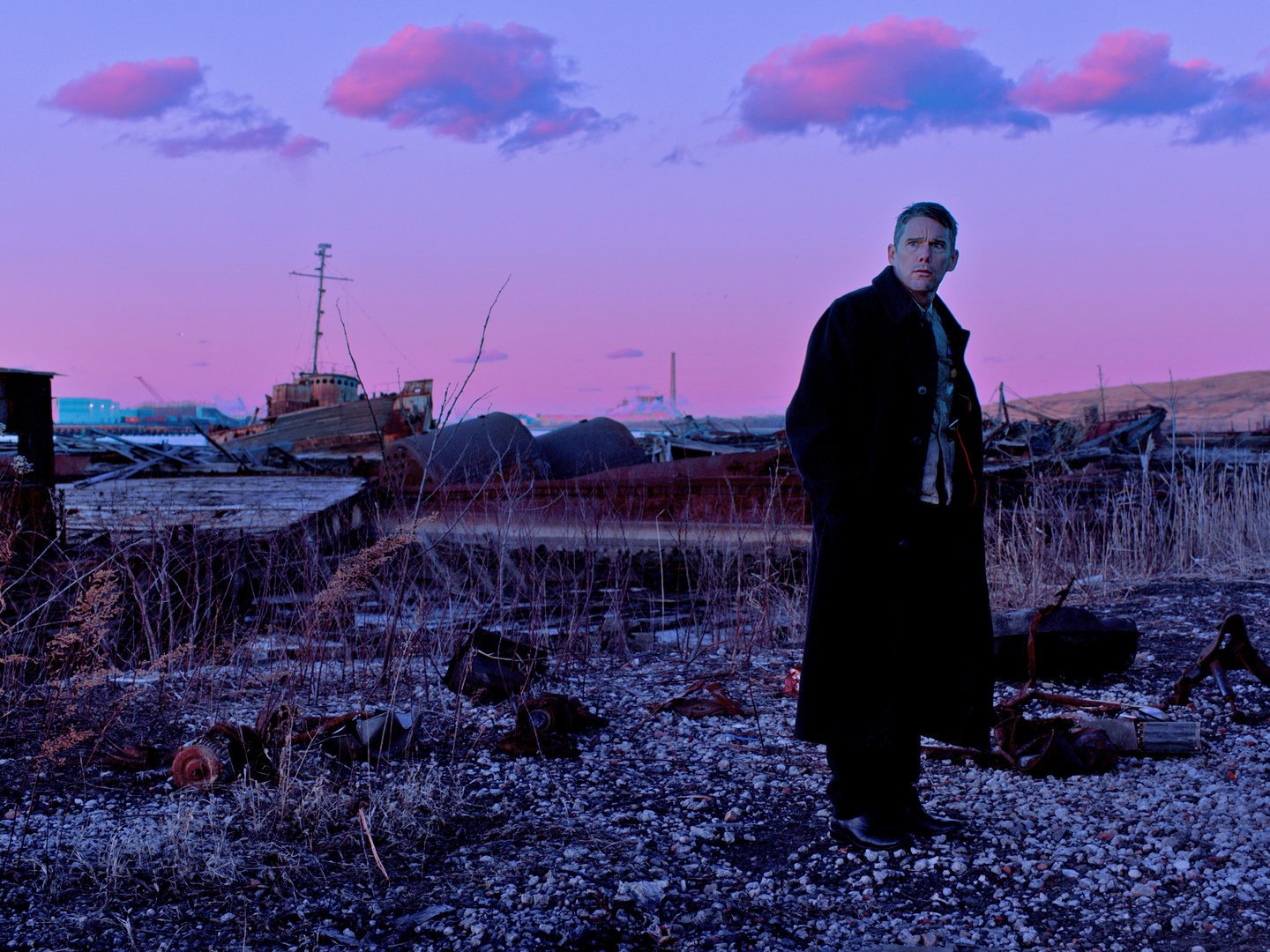
First Reformed
released Friday July 13th, 2018
Reverend Ernst Toller (Ethan Hawke) is a solitary, middle-aged parish pastor at a small church in upstate New York.
Once a stop on the Underground Railroad, the church is now a tourist attraction catering to a dwindling congregation.
When a pregnant woman (Amanda Seyfried) asks Reverend Toller to counsel her husband, a radical environmentalist, the clergyman finds himself plunged into his own tormented past, and equally despairing future, until he finds redemption in an act of grandiose violence.
From writer-director Paul Schrader (writer of Taxi Driver and Raging Bull) comes a gripping thriller about a crisis of faith that is at once personal, political, and timely.
Racer and the Jailbird
released Friday July 13th, 2018
When Gino meets Benedicte, it’s love at first sight.
She works in the family business, and drives racing cars on circuits. He seems like a regular guy… but he hides a secret.
As his involvement in the criminal underworld takes hold, the two must fight for their love against fate, reason and weakness in this high octane romantic crime thriller starring Matthias Schoenaerts (Rust and Bone) and Adele Exarchopoulos (Blue is the Warmest Colour).
A Prayer Before Dawn
released Friday July 20th, 2018
A Prayer Before Dawn is the true story of Billy Moore, a young English boxer imprisoned in Thailand’s notorious prison system.
He is immediately thrown into a terrifying world of drugs and gang violence, but when the prison authorities allow him to take part in the Muay Thai boxing tournaments, he realizes this might be his chance to get out.
Embarking on a relentless journey from one savage fight to the next, he must stop at nothing and do whatever it takes to preserve his life and regain his freedom.
Filmed in an actual Thai prison with a cast of real inmates, A Prayer Before Dawn is a visceral, thrilling journey through an unforgettable hell on earth.
Must See Movies 2018 (so far)

It’s safe to say 2018 is racing by and so far has offered up a great variety of new cinematic releases to feast your eyes upon.
As is tradition in June, we take a look back at the first six months of the year and pick out the six films that we enjoyed the most…
so here goes…
A Quiet Place
John Krasinski surprised audiences the world over with the release of his horror film A Quiet Place earlier this year, and it rode into cinemas on a tidal wave of positive reviews.
The hype was justified as this is a smart and punchy feature that uses its concept of silence to perfection, where in the hands of others it may have felt unrealistic.
We join a family, post-apocalypse, striving to survive without making sound, at risk to predatory monsters that strike at the slight hint of noise, with the Mother of the family (Emily Blunt) due to give birth. The tensions here grip you throughout the run-time, barely giving you time to draw breath and relax. The narrative jumps from one incident to another as the threats from outside begin to escalate.
Perfectly viewed in a cinema just to see the effect that the horror on screen has on a captive audience, and the nerve shredding silence it induces.
Annihilation
Streaming services vs. Cinemas debate aside, Annihilation is a transcendent work of cinema from writer/director Alex Garland, who builds on from the excellent Ex Machina with this stunning, visual and surreal work of science-fiction.
This tale of a group of female scientists who venture into an alien environment that is slowly absorbing the Earth, is a shocking and twisted ride into a complex mixture of body horror and geopolitics. Annihilation balks at the conventional and utilises its setting to great effect, disposing of narrative conventions at the door and offering you a chance to experience something from beyond the realms of your own imagination.
Garland is consistently creating films that push the boundaries of genre, and he has truly hit the ball out of the park with this one.
Coco
Pixar continue their dominance in the animated movie arena with Coco, probably one of their strongest offerings so far and a film to rival the likes of UP and Inside Out.
In this film Pixar tackle heavy themes such as life after death, inheritance and ancestry in touching and gentle ways that will appeal to audiences of all ages. A great musical spectacle but also an important social statement by Pixar, a film that focuses in on a specific nation’s culture and celebrates it in bold and riotous fashion. Miguel’s adventures in The Land of The Dead provide more than hijinks and laughs, and instead have that incredible effect of being able to reach from the screen and repeatedly pull on your heart-strings. Coco is more than just a family adventure and is cinema functioning in its purest of forms.
Hereditary
On the whole A24 make great films, and Hereditary is no exception. The studio that brought us The Witch certainly know how to back horror projects that provide new ways of conveying scares in line with their bold and exciting release strategy.
Ari Aster has crafted a story that is unsettling and head-twisting, a film that constantly leaves you guessing, only revealing its secrets at the very end. Toni Collete is on fine form as a mentally crumbling matriarch who is attempting to hold her family together after the death of her own Mother. The seismic effect that her repressed grief has on her and her husband and two children leads to a shocking, and at times viscerally gruelling series of events.
It’s a film that revels in shifting its audiences perceptions and uses an array of cinematic techniques to frighten and confuse.
Gook
Justin Chon’s debut directorial feature is a true work of thoughtful and well observed cinema.
Shot in glorious monochrome we follow two Korean brothers, Eli and Daniel, who run a women’s discount shoe store in Central LA, during the 1992 Rodney King riots. The film offers up an interesting look at racial prejudices in America; as African-Americans are being oppressed by the government, our two protagonists are in-turn oppressed for their racial background and appearance by the majority of their neighbours. The film is also rich in its character studies, offering up years of tensions and emotions that all bubble to the surface in the wake of King’s trial. The violence in the streets effecting all the characters in one way or another.
A truly sublime piece of film-making from Chon, and one that deserved to play in more than the four cinemas it appeared in during its theatrical release.
You Were Never Really Here
We end our list with Lynne Ramsay’s latest film You Were Never Really Here, an enticing and pulse-racing thriller helmed by the ever-wonderful Joaquin Phoenix.
We follow Joe, a hitman who specialises in the tracking and punishment of child kidnappers. He is a man riddled with anxiety and regret who doesn’t revel in his violent nature, in fact he is more afraid of what his hands and body can do. When a job goes wrong Joe has a narrow window of time to rescue a young girl while forces from all sides conspire against him, pushing him to the very limits of what he feels capable of.
Probably the best film released so far in 2018, You Were Never Really Here is a modern masterpiece from Ramsay, and expertly scored by Radiohead’s Jonny Greenwood, a combination of visuals and sound that can only be applauded.
Honourable mentions
(click the titles below to read reviews of some other great films to have been released in 2018 so far)
Three Billboards Outside Ebbing, Missouri
Hereditary

2018
Director: Ari Aster
Starring: Toni Colette, Alex Wolff, Milly Shapiro, Gabriel Byrne, Ann Dowd
Words – Carly Stevenson
Few contemporary horror films of the last decade have been capable of stirring the kind of slow-building, unrelenting anxiety that Hereditary produces in its audience.
The use of imagery and sound is masterful, the casting is superb and the bizarre ending (which I will not divulge) suggests that Aster isn’t afraid to take risks. So far, so good.
Thematically, Hereditary is concerned with matriarchal anxieties, primogeniture and mourning, or, more accurately, the inability to mourn and its repercussions.
The protagonist, Annie Graham (Toni Collette) is a visual artist who specialises in crafting dioramas that recreate unresolved past traumas, most of which involve her recently-deceased, occultist mother. However, the past refuses to be contained within these meticulously-detailed miniatures and the memories that haunt Annie begin to bleed into the Graham household, contaminating everyone within.
This macrocosmic effect is mirrored through Pawel Pogorzelski’s camera work, which makes it seem as if we are peering into one of Annie’s dioramas, only for the camera to zoom out to reveal a shot of the actual house surrounded by vast summits and trees. In one shot, the scene shifts from day to night in a manner reminiscent of the flicking of a light switch, which produces an almost Brechtian effect, in that we are temporarily dislodged from the narrative and suddenly aware of its potential artificiality.
Hereditary is a deeply disturbing family tragedy that asks, but never resolves, the question: what exactly is being inherited? The Hitchcockian build-up tension is genuinely effective and the film never stoops to cheap jump scares, which is a rare feat in an age of seemingly endless Paranormal Activity sequels.
Hereditary subverts expectations and boldly embraces the supernatural in all its Gothic glory, which is something to be championed in a subgenre that has an unfortunate tendency to do away with ambiguity by providing a rational explanation for everything.
It is a promising feature-length directorial debut that serves serious spookiness without compromising on storytelling or character.
Cult Corner: Aelita, Queen of Mars
1924
Director: Yakov Protazanov
Starring: Nikolai Tseretelli, Valentina Kuindzhi, Pavel Pol, Yulia Solntseva, Konstantin Eggert, Nikolai Batalov
Words – Nathan Scatcherd
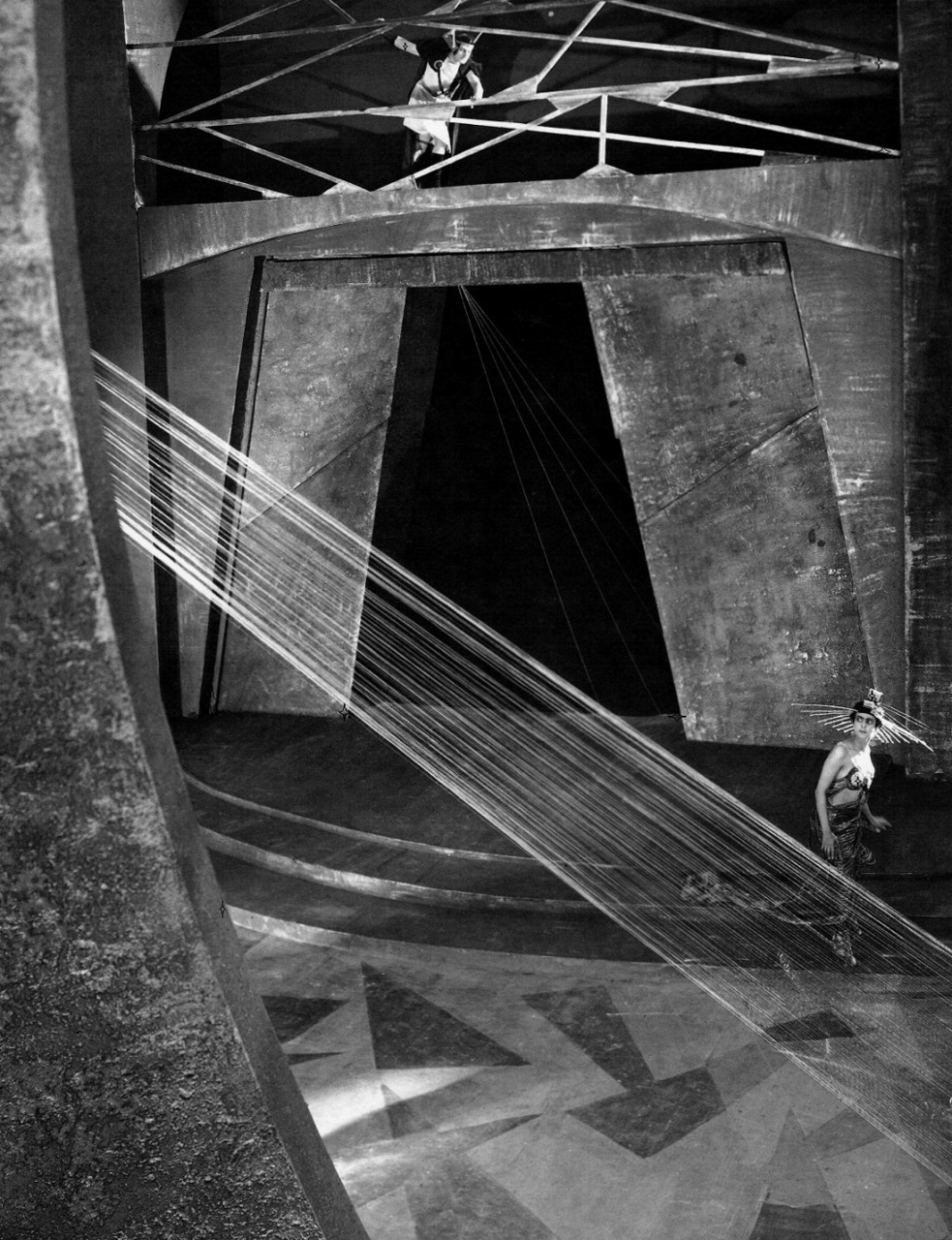
Aelita, Queen of Mars is a rare beast – a silent, dreamlike Soviet sci-fi romance, splitting its time between two distinct settings.
The first is set in contemporary Soviet Russia, examining the struggling marriage between a young man, Los (Tseretelli) and his wife Natasha (Kuindzhi). Natasha is relentlessly courted by a creepy interloper and Los is too wrapped up in daydreams – of visiting Mars and falling in love with its queen, the dazzling Aelita – to do anything about it. As they grow more distant, the daydreams begin to take over, and soon the film becomes a hallucinatory tale of doomed love and revolution on the red planet.
These sections of the film are a showcase for some wonderfully eye-catching set design by Isaac Rabinovich and Victor Simov, with suitably weird and angular costume design by Aleksandra Ekster.
Geometric space-tech and ornate Martian clothing all look appropriately otherworldly, and the haunted black and white visuals really exaggerate the classic silent film performances. Kuindzhi is particularly magnetic, expressing a multitude of emotions with a glance.
The film is based on the book by Aleksey Tolstoy, and its literary roots are in the film’s narrative, an ultimately fairly sprawling and ambitious tale of both individual emancipation and perhaps the unshackling of an entire planet.
Aelita is particularly Russian in how sombre and downbeat its brand of melodrama frequently is, and feels inherently stagey in a way which recalls the manner of a theatrical production. If that sounds like a knock on the film, it isn’t; the overall effect, of watching a particularly inventive stage play performed by actors who are engaging without even speaking a word, is a strange thrill. As an insight into Soviet cinema – both its formal standards and ultimately its ambitions – the film is a fascinating oddity.
To say more on ambition, Aelita is one of the first feature length films to focus on the concept of space travel.
It’s hard not to read it as a cinematic foreshadowing of the Soviet space program; an early onscreen precursor to the nation’s subsequent huge leaps forward in space exploration. The film really couldn’t have been made anywhere other than the Soviet Union, and it ultimately more than upholds the revolutionary ideals of the time. There is a scene of a man hammering a sickle into shape, then overlaying the two of them meaningfully, and there’s at least one speech about revolution. But for all its third act Communist Martian Party rabble-rousing, Aelita is ultimately a (twisted, and from a modern perspective… ickily resolved) love story, in which love is a conquering force, inspiring jealousy, violence, and sacrifice… but in the end, more warmth than there is on Mars.
To read more words from Nathan, you can find this and other articles over on –
https://nscat13.wixsite.com/always-watching/
Doel

2018
Director: Frederik Solberg
Words – Christian Abbott
What does it mean to call a place home and what would you do to protect it?
This very question seems to be at the heart of Frederik Solberg’s film – Doel. Named after the Belgian town itself, it is surrounded by an immense industrial landscape – if you didn’t know it was there, you would never find it. Living in this town are just 26 people, all as vibrant and characterful as the next.
Solberg has created a poetic look into the lives of these people, documenting their day-to-day lives and discovering just what it’s like to live in a place as far-removed and absurd as this. But it is this absurdity that carries the film – marketed fittingly as a ghost town comedy; it is often a humorous catalogue of the larger than life personalities.
It is hard to remove itself from the absurd nature of the story; the town itself looks like it doesn’t belong, the last vestige of a simpler time. That makes no difference to those living in it as they fight to protect their homes against the threat of it being taken away from them. At first glance you would wonder why anyone would want to not only live there, but actively protect it, but the sense of community and belonging is inspiring.
Solberg’s camera has found the beauty in this strange urban land, there is a slow meditative quality to the film that brings this calm before the storm peace to it. There is a mystical feeling to it all, it’s hard to believe this place even exists (and in Belgium of all places) but it does and it is a sight to behold. Solberg’s discovery of the town seems to have been but chance, but it was one worth the visit.
We spoke to director Frederik Solberg at Sheffield Doc/Fest 2018 about the film:
Q: How did you discover this story?
Frederik: My ex-girlfriend lived in Antwerp six years ago and I came to visit her. I have a Belgian friend who was also in the country at the time and he asked me if I wanted to go for a ride. He asked if I knew about this ghost town, so we went there.
It is really interesting how to get there, you have to go through this massive industrial area that is really this science-fiction level of refineries and factories – like something out of Blade Runner almost. Then you get to a point that is like a nuclear power plant and a container dock, between the two you fine Doel. It’s such a fascinating and interesting way to get there and the town itself is so fascinating. When I arrived I knew instantly I had to make a film about this place.
Q: When you started the project did you know the story you wanted to tell or did it evolve as the shoot went on?
Frederik: It really changed; to begin with I had an idea of making a more political, sort of David and Goliath story. But as I started researching the town I realised that I’m not a journalist and I don’t speak Dutch so doing this sort of journalistic/political portrait was not my job and it has been done – a TV show was made a couple of years ago.
I ended up doing a more poetic and subtle portrait of this town, not fictionalised, it became a film about what it means to have a place to call home and what people will go through to fight for what they believe in as their home.
Q: Was the comedy of the film always intentional or did it arise after meeting the people of the town?
Frederik: I think we always knew there was a certain absurdity to it because you had this super sleepy ghost town that was suddenly being invaded by all kinds of people – for music videos, to bikers and techno-ravers. I knew that this was a sort of funny or humorous potential in there. My editor added or lifted the level of comedy in the film to where we thought actually this is pretty funny so we decided to call the film a ghost town comedy.
Q: How much did the editing shape the story?
Frederik: I had a storyline of three acts, an overall storyline and I imagined it a little more cynical and harsh but my editor added more humour and warmth. It is a very slow film but a very dynamic slow film because we’re editing in a way that is challenging the viewer because it’s not just straightforward. So I would say my editor made it more dynamic and added a bit of humour which I’m not sure I’d seen, at least not to begin with.
Q: What are some of the inspirations on your work?
Frederik: I like very much European arthouse films, fiction films; I’m very much into Roy Anderson, a Swedish director. I’m also a big fan of Yorgos Lanthimos, the Greek director. I think they have been reference points and the main inspirations for absurd portraits of everyday life. I also think some of the humour comes from them too.
Q: You talked about how there had been traditional news coverage of the town before, what do you think the difference is between the documentary film and mainstream journalism?
Frederik: That is a difficult question to answer. I would say one important aspect is time and the level of interest you have. With documentary you have time to dig into people and really discover them. With TV journalism there has to be an agenda and an angle, you have to push a certain narrative. I was not doing that, people watching my film can make up their own minds. The statement of the film is vaguer whereas TV is more sensationalist.
The Eyes of Orson Welles
2018
Director: Mark Cousins
Words – Christian Abbott
Orson Welles was and is one of the most beloved and well known of Hollywood’s pantheon.
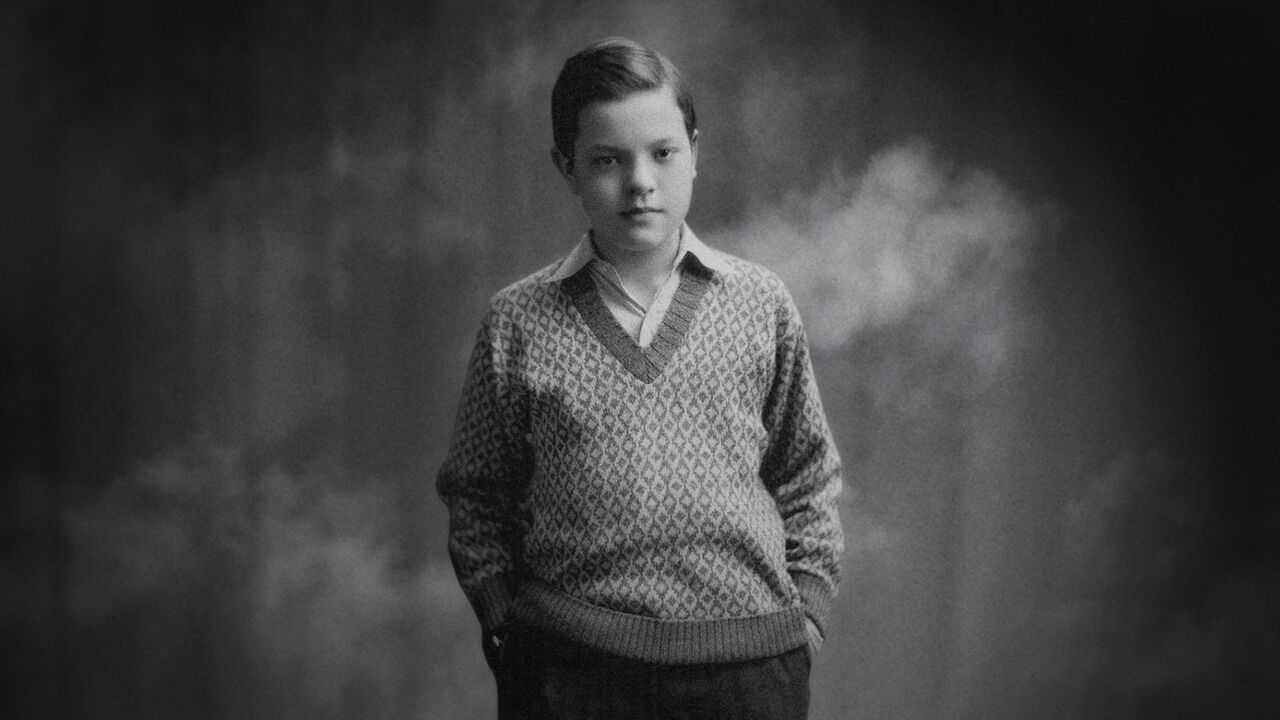
He was an actor, director, radio personality and as Mark Cousins explores here, a painter. Many would question what more could be said about Welles, there are countless books, films, television shows written about him, yet, Cousins offers a new perspective, a much more intimate one. The legend of Welles is so engrained in Hollywood that one can easily forget he was just a man as flawed and as fascinating as the rest of us.
Welles was a product of the 20th-century through and through, he also helped to define it. Cousins is looking back at his life in our new century in a way most don’t realise you can – through Welles’ own eyes. With access to many never before seen paintings and drawings by Welles, they offer a new look into his life, past the showmanship and mystique, into a darker, more personal world.
Cousins decided to frame the film as a letter to Welles, telling him of our strange new self-parody world of Trump and the internet. The narration by Cousins himself is like a cathartic series of musings, a giggle at what Welles would think of America now and the frustration that we will never know.
Broken down into a series of major themes in Welles’ work, the film is as funny as it is poetic. There were a number of crucial themes to his life that seemed to haunt Welles in his drawings. The cinema of Welles was one of grandeur and larger than life characters, his paintings were dark reflections on both himself and how he saw the world.
Yet there was also great joy in what he painted, he loved to travel and fell in love with places like Ireland and Morocco – the escapism for him as his films are to us. Cousins has framed him as a man of strong will and deep love, he poured himself into every aspect of his life.
Much like the life of Welles himself, this is a film that seeks understanding through art and self-refection along with it. For lovers of Welles, this is essential viewing and for those unfamiliar, it is a brilliant introduction.
We spoke to the film’s director Mark Cousins about The Eyes of Orson Welles at Sheffield Doc/Fest 2018:
Q: Your career deals with topics of international and independent cinema, what inspired you to talk about one of Hollywood’s biggest icons?
Mark: Yeah usually I don’t do this sort of thing; I deal with Iranian cinema and African cinema because I thought so many people do Hollywood.
Orson Welles has been done so much, there have been so many books and films – and then I saw the drawings. Immediately I felt as though I was seeing a different side of him, getting inside his imagination.
It took me a while to realise what I was actually seeing was his visual thinking, but I knew this was something new. It felt like getting to read someone’s private letters, that sort of intimacy. As soon as you look at the work there were constant themes of alcoholism and despair. There was a fascination with cities in the drawings which wasn’t in the films so much. It was like being in touch with the unconscious mind so to speak.
Q: Did you want to make a film about Welles before or after you discovered these paintings?
Mark: I was not searching to do a film on Orson, I didn’t even have time to do one, I had to squeeze space. Sometimes something just comes at you quite hard – like the great Irish poet, Seamus Heaney, said: “Inspiration is like a ball kicked in from nowhere.” This film was a ball kicked in from nowhere. I just knew I had to do it.
Q: You framed the film like a letter to Welles himself, what was your thinking behind that?
Mark: I’m pretty resistant to the official version of history, one usually told by white guys like you and me. There is a claimed objectivity about that – he did this, she did that. I prefer stories that are told more subjectively than that because there’s room for doubt, comedy, irony, etc. So I knew that I didn’t want a voice of god version of Welles’ art.
My private thought about the film was I’m making a letter to a dead dad. Orson Welles is of course the father to Beatrice Welles who is in the film but in a more general sense, those of us who love cinema, he is a kind of father figure, so epic and flawed. When my own Father died, I gave the first words at the eulogy and they were “dear Dad” and the first words in the film are “dear Orson Welles”. I thought that would help me get an angle and an intimacy but I thought it could also make it universal – if there are emotions in this it makes it even broader than movie lovers, maybe others will find something in this.
Q: What was the idea behind the moment Welles replies to the letter?
Mark: I wanted to talk about the joker mentality, the satirical aspect to Orson Welles. I then realised I didn’t want my own voice in it the whole time and thought he could be a voice also.
I knew it shouldn’t be him talking about his politics, I thought, why doesn’t he say you’ve missed one of the best bits – the irony, the comedy, the fun, why doesn’t he criticise me? Then I thought how do you write Welles, he talks in a sort of complicated way so I tried to put that in there. He quotes Shakespeare and says things like “to which my line ran”. I would never talk like that so it was quite fun to do.
Q: Orson Welles in many ways has inspired all of modern cinema, how do you think he has inspired your work?
Mark: His shooting style is the opposite of mine, his camera is sweeping and epic, mine is held back and still so in a superficial way we are different. All this other romanticism and idealism are in my work. There is a bigger than life-ness in his work. I often irritate people by bouncing around and being energetic which is very Orson Welles. That euphoria of his work – I see it in mine too.
A Northern Soul – Director Q&A

2018
A Northern Soul
Director: Sean McAllister
Words – Christian Abbott
Sheffield Doc/Fest 2018 kicked off this year with the world premiere of A Northern Soul, the latest film from director/filmmaker Sean McAllister.
It sees him return to his home town of Hull after a career of exploring the world through cinema. Hull recently became the UK City of Culture, an achievement which allotted it millions of pounds of investment and new opportunities for those living there.
It is a story about Steve, however, a man on the brink financially, that dreams of becoming a hip-hop artist without the means of doing so. The City of Culture has allowed Steve to hire a van to spread his love of the art and to take to the boroughs of Hull to help young children that otherwise would never have the opportunity.
See our full review of the film >here<.
We spoke to the director following the World Premiere at Sheffield Doc/Fest 2018.
Reel Steel: The film deals heavily with representations, of people and importantly Hull – how do you feel Hull is represented in mainstream media?
Sean McAllister: It was a big thing for me, doing the opening show I was very conscious of that and coming back.
How do we want to be known? How do you rebrand yourself and become something else?
It was subtle, or maybe not so subtle, it wasn’t an issue to be able to say Hull is a multicultural society. But it wasn’t an accident to represent it with a multicultural set of people. It wasn’t an accident to have beauty shots around the Humber. Not just the bad streets but to offer a dignified look at the city against the way the media has represented us for so many years.
RS: How do you feel City of Culture has helped Hull?
Sean: Without a doubt, surely, some people never knew about Hull internationally so the year of culture there was phenomenal. For the people that did know Hull, for my understanding it was just the butt of the joke. So if you said you were from Hull in London people would joke.
There was a shot in the film where Steve comes across a needle in the street. It is such an overused image and we were tempted to use it but we decided against it. We wanted to change the image of the city and not add to the preconceptions. I mean, look at Steve, he is the north through and through, when you look at him you have all your preconceptions but when you peel back the layers he is this softly spoken, lovely guy.
The problem is northern people aren’t making films about northern towns. These southern people come up here and know fuck all.
RS: Do you then think that this film will help to bring some pride back for young people living in places like Hull?
Sean: Well the City of Culture helped bring opportunities to people so they didn’t need to leave. I have been speaking to a few people recently down south who are thinking of moving back which is interesting. The thing is, when I look at myself, all I have achieved by leaving, would I have been where I am today if I didn’t?
RS: Your career has been global, from Japan to Syria, how does coming home now feel and how do you feel towards it now?
Sean: I mean it’s certainly more cosmopolitan now, it feels more liveable now; it feels like you can potentially do it. It feels more connected to the rest of the world.
The City of Culture was all about connectivity and I hope because of that the city has changed and is better.
RS: Hope is definitely a major theme of the film, so much of it comes from The City of Culture, would you say that it’s something that lacks in The North?
Sean: I think it’s hard for people in places like Grimsby, Cleethorpes, and Scunthorpe being under the shadow of a major city like Hull. I mean I did wonder when I was in Hull what would be happening here without the City of Culture because you have austerity cuts that are penalising the north terribly and we had an artificial injection of £35 million. It feels like we have been taken away from austerity for a year.
What Steve was doing in the film, in the bus, was for me a mirror of the bigger thing, going to estates and helping give children a new opportunity. Twenty years ago there used to be opportunities like this, when I was on the dole I got a video camera from a community centre, that’s closed down now. The Tories going on and on about education when they are holding people like Steve back. People need to be shouting about this, but nothing is being said.
Boys Who Like Girls – Director Q&A

Boys Who Like Girls follows the work of Men Against Violence and Abuse (MAVA), a group in India addressing gender issues, and the story of one boy, Ved, as he deals with family, school and the challenging culture of gender inequality.
See our full review of the film >here<.
We spoke to Inka Achte, director of Boys Who Like Girls and Liisa Karpo, the film’s producer at Sheffield Doc/Fest 2018.
Reel Steel: I think I’ll start by asking how you came about Ved and the group and what inspired you to make a documentary about them?
Inka Achte: when the 2012 gang rape in New Delhi happened, I was reading a lot about the reporting and trying to understand what would make a person do such an act. And then I was reading the news and I discovered that there was this men’s movement in India where men were standing up for women’s human rights and trying to basically prevent those kind of mindsets from developing. And through that research and that reading, I discovered Harish who runs MAVA and I contacted him and said that I found it really interesting and inspiring and kind of, I dunno, like healing as a woman, and encouraging that men were doing these things.
Then I happened to be in India at a film festival and I flew to Mumbai to meet him and he introduced me to Ved, or to this project that they were doing for teenage boys and Ved just kind of stood out because he was … he seemed quite troubled and I found out that he had a violent dad and that was kind of interesting in terms of the story.
RS: Why do you think they wanted to be a part of it and get involved with the film?
IA: Well obviously for Harish it’s publicity, it’s making people in Europe aware of their work because I don’t think that …you know, he’s not really known here. So for that reason I think.
RS: There’s that bit in the film when he goes to the women’s convention and there’s almost surprise that there’s a man leading a group for young boys. Was that the kind of sense that you got?
IA: Well I think everybody’s always like “oh that’s fantastic, that’s really important” and people are really happy that he’s doing that, but somehow it just doesn’t help him get any funding. I mean, he gets some funding but it does seem that a lot of funds and a lot of money gets targeted for women led organisations like that woman says in Copenhagen. So he’s … the fact that he’s doing something unique is obviously good but it also makes it really hard for him because he’s competing with women’s organisations and a lot of those kind of funds that are for women’s equality or women’s empowerment, they go to women. Which is good, but it would be great if somebody acknowledged that it’s actually vital for some kind of preventative measures that work with boys to prevent … it seems crazy.
Because of course we have to work with boys. We need to make them aware that these kind of thought patterns aren’t healthy. It’s strange that he’s struggling so much financially.
RS: I think that was the overriding message wasn’t it? That we do have to include men and young boys, even just in the discussions about gender equality because the workshops they put on aren’t just about not fighting each other, they’re about how we speak to each other.
IA: Yeah, exactly.
RS: In terms of funding, how did you secure backing for the film?
Liisa Karpo: Actually the film is funded by Nordic funds, film institutes and TV stations. We have a Norwegian co-producer and it was challenging during the fundraising to convince the financiers that this issue is important and relevant to us in the Western countries as well.
And throughout the production it became more and more relevant: #metoo happened, Trump was elected, all this stuff. And we obviously don’t have to justify this anymore over here, but a few years ago, like three years ago when we were beginning and starting to look for funding, it was really like we had to explain and convince that this was important for us as well. So it was a challenge.
RS: Has it been a challenge get it distributed as well or have you found that people have been quite enthusiastic?
LK: Yeah, I think they’ve been happy and enthusiastic and we have been getting really nice offers and we’re just about to close a deal with a sales agent. This is our first festival so we will see after this how enthusiastic people will be! But it’s looking very promising.
RS: I think the film is interesting because of the way Ved develops and the way his story develops.
Was it intentional to follow Ved in such a personal way?
IA: Yeah, yeah it was. When I got interested in the subject matter I was like figuring out what kind of characters we’d need to tell the story and I did want to include a teenage boy because I did think that kind of character would undergo that kind of change, and probably would be kind of between two forces – the traditional forces that the family represents and then these new kind of progressive forces that MAVA represents.
LK: I think that was intentional from the very beginning, that you wanted to follow a young boy around this topic.
IA: Yeah, exactly. I guess with what’s happening in India and everywhere and that’s there’s a societal change going on and a shift when it comes to the way women are treated, and I guess I knew that by including a teenager, his story could embody that change in a way.
RS: When you were making the film did you find that it affected you in any way?
Because there are quite a lot of sensitive issues that come up.
IA: Yes, it did affect me. First of all, it made me realise, in a very kind of hard hitting way, how insanely privileged I am.
For example, Ved’s mum is probably only a few years older than me and has a completely different kind of life. You feel strange that you realize how insanely privileged you are but at the same time how little you can actually do to change anything. That was maybe the main thing. But also it was incredibly good for me to get to know men who work like that and who care about these issues. I somehow think I’m a lot less cynical as a human being since making that film. I think that was really important for me.
LK: I think there were moments when we were kind of depressed about the fact of how slowly things progressed, how small the progress is and how slow the advance is in India. But then again, now seeing the film and having all of this global discussion around the issue, I feel more hopeful all the time.
The main thing is that change is happening but it is slow, and might even be too slow to witness in the film at all so it was something that we were discussing a lot as well.
IA: But when it became apparent that the change is slow, I think we kind of just accepted that there isn’t gonna be this massive feminist awakening, there will be very small things that we can see in Ved and that’s alright. For me, small change is better than no change.
LK: And that starts from the individual.
RS: You were obviously very much involved, but just to cope with how personal and sensitive things were did you have to maintain some kind of distance and impartiality as a filmmaker?
IA: I don’t know, I think that I get very personally invested, I don’t think I’m very good at keeping my distance! Like I really take things to heart a lot, but of course the physical distance that I live in Finland helps a lot so it might be different if I lived in Mumbai.
I do and I did really deeply care about them, I found the mum’s situation, for example, extremely distressing. But I live in Finland so it’s kind of easy in that sense to get on with life.
LK: But obviously we are still keeping up with them all the time and we are supporting Ved in his studies.
IA: Yeah, that would feel impossible to just be like “ok, thanks!” and then go galavanting around the world showing the film.
LK: We really developed a personal relationship with the people and we really want Ved to do well in life.
IA: Yeah so I think it’s kind of our responsibility now to support tem. You can’t just make a film and then abandon them in that sort of way.
RS: How is Ved doing?
IA: He’s doing well. He’s still in college, which is great.
LK: I think he’s still in the theatre group as well,
IA: Yeah, he’s still in the theatre group and Harish continues to support him as well. Yeah, I think he’s doing really well. Rajesh his good friend is getting married!
LK: Oh is he?!
IA: Yeah, they found him a wife. But Ved says he doesn’t want to get married.
RS: Has anyone involved in the film seen it yet?
IA: Yeah, we went to Mumbai to screen the film and all the boys from the community came and there was a crazy party. Yeah, they’ve all seen it.
RS: What did they think of it?
IA: They love it! Which I’m so, so happy about.
RS: What’s next then, now that it’s over? What else have you got planned?
IA: You mean film-wise? Oh my goodness, right after doing the film in India I thought “ok, I’m not doing anything like this anymore” –
LK: – She was actually like “Liisa, next time it will be an easier place that is much more convenient!”
IA: Yeah like “I’ll do something interview-based in Finland”, you know, archive and interview, “I’m not going to any weird climates anymore”. But now this project that landed on our lap –
LK: We just came back three weeks ago from Somaliland!
IA: Yeah, now we’re doing a film in Somaliland.
LK: I was reminding her like “what was that about an easier location? I remember some kind of talk about that…”
IA: So yeah, we’re doing a film about Finnish Somali family, about a guy who came to Finland during the Somali civil war 25 years ago and now he’s moving his entire family back to Somaliland, so kind of a reverse immigration story.
And then hopefully just sending this one out to festivals, and I really hope it gets seen as widely as possible. I think for MAVA, this kind of publicity is vital because he [Harish] is not like a PR expert.
LK: He has his hands full with managing the organisation in Mumbai so any help that we can give to them for creating awareness or getting people to donate money is absolutely our priority.
To donate to Men Against Violence and Abuse, visit their fundraising page:
https://www.bitgiving.com/umangbymavamumbai
Watch the trailer for Boys Who Like Girls –
You can see Boys Who Like Girls at Sheffield Doc/Fest, info and tickets available here:
https://sheffdocfest.com/films/6419
For The Birds – Director Q&A

Richard Miron, director of For the Birds, reflects on discovering protagonist Kathy Murphy’s surreal story while studying his undergraduate degree at Yale University and the profound impact of emotional connection when making a documentary.
You can see our full review of the film >here<.
Reel Steel: I suppose the first question I really want to ask is how you came across Kathy and why you decided to make a documentary out of it?
Richard Miron: So this started as a senior project for my undergraduate at Yale and I was interested in animal rights and I was looking for a story about animal rescue and so I went to the Woodstock animal farm sanctuary to volunteer there and look for some kind of story to follow.
While I was visiting, they heard about this woman nearby and all these ducks and chickens, and asked if I wanted to join them on the car ride. I went with Sheila, who’s in the film, on the very first visit to Kathy’s place and as soon as I met Kathy, I was really struck by how warm and welcoming she was and proud of her birds she was. Especially juxtaposed by what I’d been told before about the situation. So I found a lot of tension in the situation that I wanted to keep following.
RS: Why do you think Kathy wanted to take part in the film?
RM: I was just showing her a genuine curiosity about what she does and I told her that I was interested in animals and peoples’ relationship with animals, and she saw herself as an expert on ducks and chickens and geese and turkeys, and I think she was proud to tell her story.
RS: How did you get backing for it in terms funding, support and getting a crew involved?
RM: It was originally just me up there with a camera, and another classmate of mine named Jeffrey Star came with me on the second shoot and was holding a boom mic and we were both just really intrigued by Kathy and Gary. So he was sort of the first crew member and eventually became a producer and editor on the film and that was over six years ago.
And then it took several years of filming before it turned into something real. The story kept evolving and we started editing trailers and trying to show them around to funders and stuff, and eventually we found someone to invest in the film which was really fantastic.
RS: How did the film evolve then? It wasn’t originally meant as a feature was it?
RM: It was originally a short film at first. The short film led up to the turkey situation, and that ended up being my senior project. But after that I just kept filming because I realised that triggered a whole series of events. And then I think as soon as it spread into the town and went into a court case and Kathy’s lawyer showed up, that’s when I realised that it could be a feature.
RS: What was the filming schedule like? Did you have to do a lot of negotiating with Kathy? Because there’s a bit in the film when her husband says that she is the way she is to keep people out, so was there a lot of negotiating with Kathy to get access?
RM: No, Kathy pretty quickly trusted me I think. Because I just kind of showed her a neutral curiosity and I was there for her and listened to her, so I didn’t have trouble for access with Kathy.
I lived in New York City at the time and it’s about a two and a half hour drive up there, so anytime the sanctuary was going to visit her – I was in touch with the sanctuary and Kathy, and I would just kind of check in about when like “when’s the next time you’re gonna visit Kathy?” and then I would go for those days. And then in between I would just spend time with Kathy and Gary just to get to know them.
RS: That was going to be another one of my questions, about gaining that kind of trust. How did you go about doing that, this being your debut? What was the process of gaining that kind of trust with them?
RM: I think, it just kind of happened naturally. It’s not like a place where there’s lots of cameras around or lots of press, it’s a pretty isolated property. I think it was just about showing interest and being nice and withholding judgement, you know?
I think for both sides, you know, there’s a lot of different sides to the conflict for everybody. Like for the sanctuary, I came to the them as somebody with an animal rights background and I’m a vegan and they’re all vegan, so I think there’s a sort of instant trust in that realm. And then with Kathy, similarly, I mean Kathy’s a vegan too so everybody, like, on paper agreed with each other so I was kind of in the middle and agreed with everyone and just tried to listen.
RS: What about with Gary, the husband? Because he’s kind of … he’s just exasperated at the start, so what was it like hearing Kathy’s side of it and then hearing Gary’s which was kind of just like “I want them [the birds] gone”?
RM: It’s … I would spend time with Kathy and Gary separately towards the beginning. I mean, there wasn’t much time where I spending time with both of them together. They would each pull me aside and tell me their side of things – it’s all understandable, you know?
I think that’s what kept driving me to make the movie, was because I kept agreeing with everyone whenever I was with them, you know? I was like “oh, that’s a good point, I hear your side of this” and so I was very much in the middle of these opposing viewpoints even though … but found that they had a lot in common.
RS: I think that’s what makes it such an interesting film, because it’s not just like “this woman has 200 birds and they don’t have access to a pond or anything, she’s crazy”, there’s such a conflict in what’s being said because you do come to feel sorry for Kathy because she does genuinely care about these birds, but then you also see the point of view from Gary’s side because he’s like “these birds sleep on my head at night”.
Did you find that the process of filming affected you in any way? Because it does take such a sour turn with the courts getting involved and stuff, did you get affected by it in any way?
RM: For sure. Yeah. There were times when I would get in the car after shooting and I would just start crying, because it was really high stakes and really serious for everyone involved. So I … it was a lot to handle, a lot to spend full days up there immersed in that. I care about animals a lot, so I was also, you know, trying to observe for myself how bad things were and how true what the sanctuary were saying was and how true what Kathy was saying was.
And so I was really conflicted internally about everything and it definitely wore on me, especially as things got worse and worse towards the end. That was by far the most moving and the hardest part for me, was the relationship between Kathy and Gary in what we call the third act of the film.
RS: Was it hard to retain some kind of impartiality? You said you have a connection to animal rights, but as a filmmaker did you have to maintain some kind of distance?
RM: Yeah, I mean the camera is definitely … it’s between me and the situation, so it protected me in a way emotionally to know that my job is to observe this and my job is to capture it. So yeah I … it was difficult but I also know that the film I set out to make and the films that were interesting to me as I was getting into documentary are the films that put the audience in a dilemma, so it was important for me to put the audience in my position of like “I see this side, and I see this side”.
I think it structured the movie or the way we edited it, to allow for that to happen, to allow for audiences to empathise with one person for a little way and then move over to somebody else, which is what it felt like to film.
RS: How did you decide what to include in the final film and what to keep out?
RM: The editing process was a little over two and a half years actually and it was really difficult because it was a very complicated story to tell, especially to tell it the right way because it was really important to move past the label of ‘hoarder’ to me because that’s what the news coverage is and that’s a much easier film to make, is a film about someone who’s you know labelled as this or that and so it was important to present Kathy through her own voice and her own proactive desires.
And so it took a while to really understand, like sifting through all footage and really internalising what she was feeling and what she really wanted because it’s about the birds – you know she says she wants the birds back but there’s other layers to what she wants out of the situation, and I think that the editing process was a lot about understanding the layers of what everyone wants.
RS: How did it impact the film when all the media coverage started – it just sort of blew up in the media at one point didn’t it?
RM: Yeah, it was really exciting. I first heard about it because a friend of mine was on Reddit and he saw a thread about this duck video that came out from the Woodstock sanctuary of the ducks swimming in the pond for the first time and that video went viral and millions of people were watching these ducks swim for the first time and there were all these comments on the YouTube page – very negative comments about this hoarder and people really just got a lot of joy out of those ducks. So it spread like wildfire and then the news coverage kept piling on.
It’s odd because it’s obviously very exciting when you’re making a film to have news coverage come in, especially because I’d been involved for at least a year before that so I knew that could drop in the middle of the movie and just expand the world of it.
RS: Going back to what you were saying about your emotional involvement, how did you cope with that?
RM: There was a very long … the court case was about nine months I think. And there were a lot of court hearings, I would go to every single court hearing that happened. And the American court system is sometimes not as efficient as it should be, so I would definitely go up … because I was driving up from the city and these court hearings would start at 9am and I would have to get up super early and go and then nothing would happen in court and they would postpone it, or someone wouldn’t show up.
So yeah, there was frustration on that end but often I would get something out of the trip, like I would get a good interview or do something while I was up there. But overall I think we had a little over a hundred days of shooting across five years which is kind of a lot for a story like this I guess! But i always felt like it was worth it to go up there, because I felt like there was something new I was learning each time.
RS: Are you still in touch with Kathy?
RM: Yeah!
RS: How is she doing?
RM: She is great, she’s been Facebook messaging me. She’s excited about the premiere, she’s seen the movie and she loves the movie so that was really nice.
RS: What is she doing these days?
RM: She’s in a similar situation to the end of the movie. She’s still living in the same place and her birds are in the coups behind her house, and she’s seeing her family a lot more, which is really fantastic. Her daughter is more involved in her life now.
RS: What’s the reaction to the film been like? You said that Kathy really liked it, but what about the rest of the community that are involved such as the volunteers at the sanctuary? Have they seen it?
RM: Not all of them, but there’s generally been a good reaction. We just finished the film so we’re starting to share it with everybody now but my sense … I mean, we’ve gotten some reactions from the animal rights community in America and it’s been very positive, so I think people appreciate the way the animals are portrayed and the way the nuances of these perspectives are as well. Because ultimately, everyone’s on the same side but it’s how it’s expressed that becomes the conflict.
RS: Have you got anything else planned? Anymore films in the pipeline?
RM: I would definitely like to make another documentary about animal rights but in a different part of the movement. I can’t say too much about it, it’s just an idea in my head.
RS: Now it’s all done, how does it feel?
RM: It’s been really interesting to hear people’s responses to the movie, because the movie … we intentionally designed the edit of the movie to allow people to make up their own mind about the situation and to present everybody through their actions and less through what they say.
So I think … I mean I really approached it like a fiction feature in that regard, of letting the subjects do things and us witness that rather than it just being talking heads or interview based. Yeah, so I’m really excited to see how people respond to the story, and we’ve had test screenings with the rough cuts and that’s given us a sense of the different opinions that people have, so I’m looking forward to sharing it with the world!
We’ve been very careful with what we share about the movie because we want there to be an element of surprise because there was while filming it, for sure. There was a lot of times when we thought the movie was over and then something else big would happen and it would turn the tables and so we tried to give the audience that experience too.
You can see For The Birds at Sheffield Doc/Fest, info and tickets available here:
https://sheffdocfest.com/films/6482
Hale County This Morning, This Evening

2018
Director: RaMell Ross
Words – Rhiannon Topham
Distinctively intimate and poetic, the longitudinal ‘not-a-narrative’ narrative of Hale County This Morning, This Evening replaces traditional storytelling with a more immersive kind of portraiture, as told through a sociological observant lens.
By fully engrossing himself in the Alabama community he comes to live and work in, photographer and filmmaker RaMell Ross reframes the perception of the everyday lives of African American men and encapsulates the quotidian values which hold this small collective together over the five years of filming.
The film primarily focuses on Daniel Collins, a young basketball player and student at Selma University, and Quincy Bryant, a new father and husband to Boosie – who we see in one of the film’s most agonizingly acute scenes, befitting of the sharp sorrow of loss.
When saying Hale County has a no-narrative kind of narrative, it’s because it’s constructed as a string of short passages edited together or intercut with related images, particularly of the cosmic variety. Even the most profound moments last no more than a minute or two; an illustrative imitation of the fleeting nature of life.
Assembling footage in this way reflects the rich tapestry of events that occurred throughout the five years better than any structured filming schedule ever could, a prime example of a filmmaker fully understanding their subjects, respecting the complexities of their lives and balancing a simultaneous sense of distance and proximity when positioning themselves within it.
But it does mean that it can be difficult to follow at times. Perhaps that’s because we’ve become so used to the standard framework of a linear narrative; perhaps it’s because it’s five years worth of footage and intrapersonal relationships squeezed into a 76 minute film, broken up by cryptic question or a vague description of the situation about to be shown.
This can have a jarring effect, but as a nonfiction anthology comprised mostly of fly on the wall footage, Hale County presents a comprehensive view of the reality experienced by an underrepresented demographic in the Black Belt of the American South.
 REEL STEEL
You must be logged in to post a comment.