The Funhouse

1981 – USA
Director: Tobe Hooper
Starring: Elizabeth Berridge, Kevin Conway, William Finley, Cooper Huckabee, Miles Chapin, Largo Woodruff, Sylvia Miles
Words: O. Innocent
Tobe Hooper is, quite rightly, regarded as one of the most revered, influential horror filmmakers of all time. Emerging from that most exciting period of independent American horror, the 1970s, his raw, unrelenting waking nightmare of a debut, The Texas Chain Saw Massacre frequently tops polls of the best horror films of all time. Even the title’s a classic; bold, iconic and straight to the point, like Psycho and Night of the Living Dead the viewer is left in no doubt regarding the manner of horrors to come. Despite delivering a couple more bona fide classics in the form of the chilling Stephen King-based mini-series ‘Salem’s Lot and the Steven Spielberg-produced haunted house blockbuster Poltergeist, Hooper has always straddled the line between trash and quality. Aside from a few late career surprises like the unexpectedly nasty Eye segment of the John Carpenter portmanteau Body Bags, his oeuvre has unfortunately veered increasingly towards the former.
His 2000 monster movie Crocodile was released straight to video and suffered from cheap effects while 2005’s Mortuary garnered a paltry 3.9 rating on IMDB. Only the exceedingly gory slasher remake The Toolbox Murders seemed to rekindle Hooper’s enthusiasm, and even that suffered from a somnambulistic pace at odds with its sensationalist violence. Maybe Hooper has a few more classics up his sleeve, but for now there’s now doubt his most beloved films belong to the 1970s and ‘80s.
However, varying degrees of quality notwithstanding, most all of Hooper’s films feel like part of a unified whole, a number of key ideas, images and obsessions returned to again and again. There’s the skewed image of the all-American family as personified by the Sawyers of Texas Chain Saw and its sequel; misunderstood monsters like Leatherface; outsiders – usually backwoods folk, recluses, and the mentally unhinged – who live at one remove from the average everyman such as Judd from Eaten Alive whose motel resides in the middle of nowhere and thinks feeding his guests to his pet crocodile is acceptable behaviour; and a focus on imagery designed to illicit maximum shock like digging up dead bodies, turning people into food or cutting someone up with a chainsaw.
Perhaps Hooper’s most returned to theme is that of the carnival bizarre, an obsession with the mentality of the freak show where upstanding decent folk are prepared to enthusiastically part with their hard-earned cash to gawp at some monstrous, physically or mentally deformed other; the other as spectacle, if you will. Time and time again Hooper invites the viewer to stare, open-mouthed and wide-eyed, at something that doesn’t conform to their comfy, ‘normal’ worldview, some hideous monstrosity both frighteningly alien and somehow uncomfortably familiar. He knows, even if they don’t care to admit it, that people will pay good money to go to the freak show.
One of Hooper’s most underrated films, 1981’s cult curio The Funhouse, makes explicit his fascination with carnivals and freak shows. It concerns two young couples who, after visiting the carnival, make the ill-fated mistake of spending the night in the titular funhouse. After witnessing a murder they are stalked by a deformed creature intent on their demise. Telling the tale of the bright lights and colourful fun of the carnival masking something much darker and more sinister, the film is a direct descendant of Ray Bradbury’s Something Wicked This Way Comes where Mr Dark’s carnival promises to grant your innermost desires but instead introduces you to your worst nightmares. A composite film, The Funhouse takes elements of the Bradbury novel and merges them with aspects of Tod Browning’s controversial carnival sideshow-set classic Freaks and the then-popular slasher subgenre, before transforming into a good old-fashioned monster movie.
Above all though, it’s a mood piece. With nearly an hour before anything explicitly nasty happens, Hooper takes his time to establish an unsettling atmosphere which becomes more and more oppressive as the film goes on. After a false scare pastiche of both Halloween and Psycho, the film settles down and really starts getting under the skin. As with Chain Saw, there’s much foreshadowing before the horror proper begins. Images of the Frankenstein Monster – a poster on a bedroom wall, The Bride of Frankenstein being watched on TV, a Frankenstein Monster toy dropping from the hands of a little boy – at first seem like throwaway references to the monster movies of yore, but they actually anticipate the horror to come, a horror that lurks, salivating and red-eyed, beneath a Frankenstein Monster mask. Repeated viewings only work to intensify the effect of these portents of doom, the knowledge of what’s going to happen revealing their true power to unsettle.
The Funhouse also impresses with its meticulous attention to detail, the production design bringing a verite sense of authenticity to the proceedings, making the film’s descent into nightmare logic all the more disquieting. As the film progresses the carnival’s veneer of bright flashing lights is shown to be even more fake than the fortune teller’s accent. Hooper slowly peels away this mask of fun and joviality to reveal the carnival’s true face, a face of greed, exploitation and dirty secrets. Look a little closer, past the colourful façade, and Hooper will be delighted to reveal to you a world of shabby attractions, litter flying in the wind, the homeless rifling through bins for cotton candy, dirty old men telling dirty jokes and watching seedy strip shows, deformed animals and people exploited for entertainment, and the carnival workers, supposed purveyors of fun, monsters of the most disturbing variety.
This is rendered all too convincing by the aforementioned outstanding production design, the grime and filth ground into tatty tents, threadbare outfits and rundown attractions.
As impressive as the production design is, the film’s real coup de grace is its monster. An extension of the carnival itself, the monster is the funhouse made flesh; a spooky but harmless looking Halloween mask hiding something far more sinister. Boasting one of the great horror reveals, the moment when the monster is unmasked is a real shocker. Akin to the unmasking of the titular Phantom of the Opera in the classic Universal silent, it’s one of those rare occasions where the monster is actually scarier behind the mask. Red eyes, fangs, pasty white-grey skin and a face almost splitting in two calling to mind the two-headed cow from the film’s earlier animal freak show sequence, this Rick (An American Werewolf in London) Baker-designed monster truly deserves much more recognition than it receives. Seeing it in its full glory as it stalks its prey in the darkened corridors of the funhouse, it’s a real shame it never achieved that same iconic horror monster status as Leatherface.
With such an impressive-looking monster, Hooper should be commended for not being tempted to over-expose it. Instead, he elicits maximum tension from the monster’s absence. This is used to full effect in the climax, the tension made almost unbearable, as the final girl and the viewer are made to wait what seems like an excruciatingly long time before the monster makes his appearance. Hooper really knows how to ratchet up the tension as he cuts from the noisy, distracting steam and cogs of the funhouse mechanism to an open shaft with feverish anticipation.
Ending on a truly chilling note as the final girl, never to be the same again, battered and bruised both physically and emotionally, walks out of the funhouse and into the carnival to the strains of one of the dummy’s electronic laughter seeming to take malicious pleasure in her previous night’s ordeal. Surely a night you’ll never forget either, The Funhouse is a nigh on perfect nightmare trip that lives up to its title. A perfect film for those cool, dark evenings when the wind carries the sound of the calliope and the smell of cotton candy to you, and the lure of the carnival is strong. Just remember, take caution because, as the film’s tagline goes, “Something is alive in the funhouse!”.
Suicide Squad
2016 – USA
Director: David Ayer
Starring: Margot Robbie, Jared Leto, Will Smith, Jai Courtney, Cara Delevingne, Joel Kinnaman, Viola Davis
Words: S. Nix
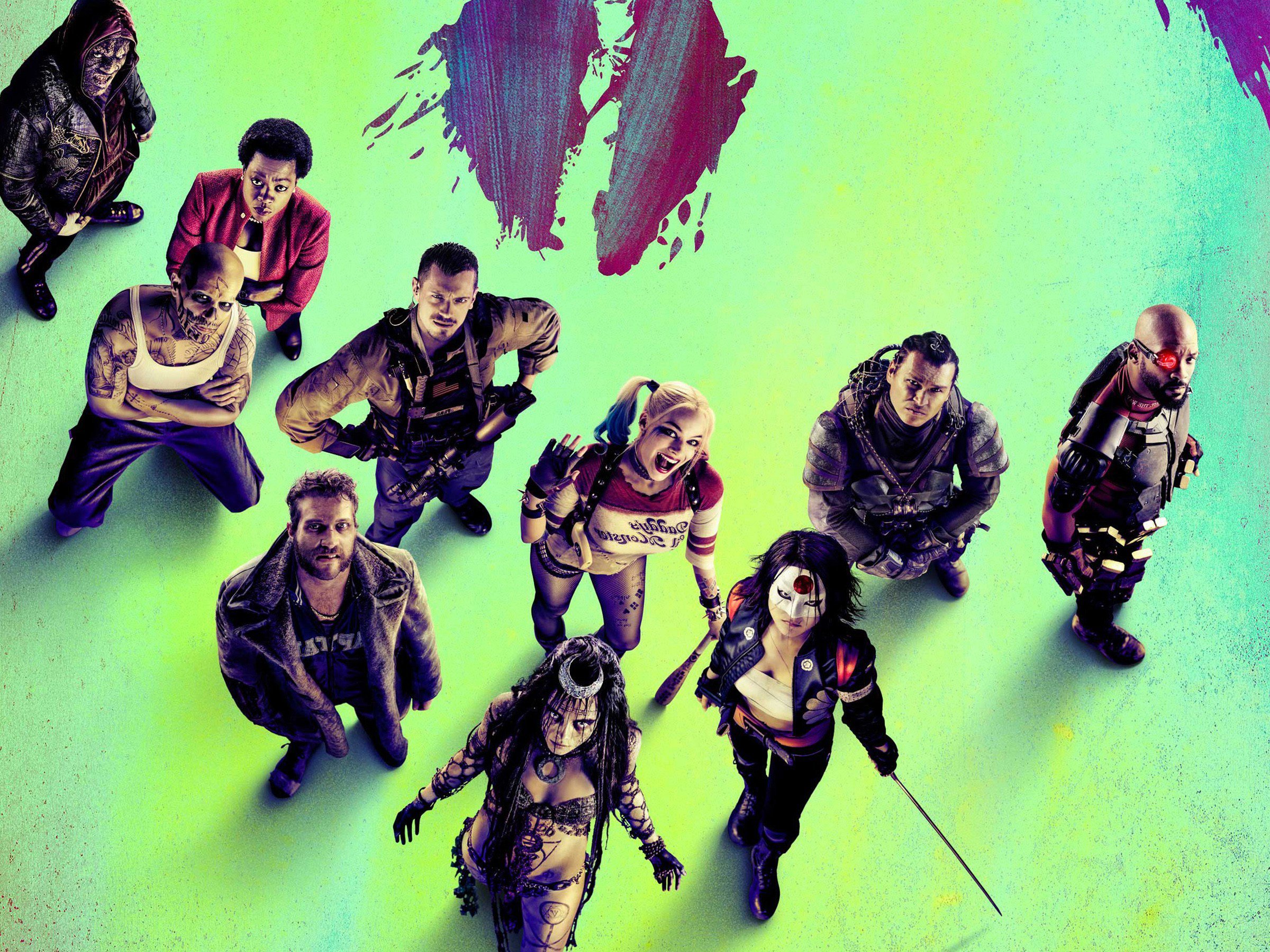
After DC’s deeply divisive Dawn of Justice, Suicide Squad seems to be following the same vein in terms of a critical response. The studio has been struggling to come up with anything of the same calibre as Christopher Nolan’s Batman trilogy and it’s the general consensus that anything since has fallen pretty short. Not that that has stopped them being massive blockbusters anyway. But is Squad the hero this studio needs right now to stop even the most passive cinemagoer from getting tired of the increasingly comic-saturated big screen?
Well, the hype train has reached the terminus and we can safely say that as far as box office performance goes, star-studded Squad has smashed it. But it’s not as undeserved as some would have you believe. Sure, it adheres to the usual clichés you can find in every comic flick nowadays (big, supernatural threat to planet has superheroes unite, falter near the end, then win the day in a CGI-soaked finale with a budget to finance a small country) but it does have a subtle flavour all of its own. Think a darker Avengers, with villains as the protagonists and a faint flavour of Tarantino in a few scenes. A slightly less kooky Deadpool.
Will Smith and Margot Robbie head the cast as Deadshot and Harley Quinn respectively and make very watchable incarnations of their characters. A lot of the buzz surrounding this movie has been centred, of course, on Jared Leto’s take on Joker who actually plays a pretty backseat role in the film and has little to no impact on the actual story. I’m guessing the filmmakers have stuck him in as much as they have just because, ya know, he’s the Joker and enough time has passed since Heath Ledger’s legendary performance for someone else to hold the torch. To be fair, his presence does a lot to flesh out Quinn’s character and story. I digress. The point is, Leto does a very good job in his portrayal of a Marilyn Manson-Jack Sparrow lovechild on crack, and while it may not be to everyone’s taste, it is very true to the Joker as depicted in the Suicide Squad comic books and I for one am very interested to see what else he can do with the role in the future, given enough screen time.
Considering how many characters need introducing and setting up before the squad is launched on their suicide mission, the film manages to not get too bloated and lost in the build-up whilst still creating something to get attached to. It shoots for the heights of its Marvel counterparts and just falls short thanks to a couple of meandering set pieces and, without wanting to give too much away, moments where characters act in a way that is diametrically opposed to how they’ve been presented throughout the movie. All that being said, it’s a step in the right direction for this DC canon and it’s a pretty fun one at that.
Jason Bourne

2016 – USA
Director: Paul Greengrass
Starring: Matt Damon, Alicia Vikander, Tommy Lee Jones, Vincent Cassell
Words: C. Abbott
Let’s get something out of the way right now; this film has no reason to exist. Bourne’s story is over; he knows his true identity, had his revelation moment and exacted his vengeance. There is nothing more to add to this. However Jason Bourne seems to disagree, we are now told perhaps he was tricked into joining the agency, that his Father was perhaps not killed by terrorists. Bourne is back on the grid and its back to the usual, punching his way through Europe/America while we are given a migraine by an overuse of shaky-cam.
This all might have come across far too harshly, the original three films are all excellently made, and entertaining examples of genre fiction, there isn’t a debate there. As for Bourne: Legacy, it’s too forgettable to comment on. Bourne is a modern staple in an action/spy genre that is now all too familiar and overexposed, while it first arrived in a very recent post-9/11 world, this new instalment is post-Snowden in a far less recent way. Bourne hit us back in 2002 with a paranoid, underdog feeling, the real enemy being government agencies taking far too much risk rather than men from the East. Now it’s another tiresome social media/NSA trope that we’ve seen done to death.
What is most unusual about this is how Paul Greengrass, director of Supremacy and Ultimatum and now this, consistently stated he would not return unless there was a story good enough for it. Yet there simply isn’t, compared to the former ventures this seems like an extended prologue people would have walked out of before seeing. It is as though they read a “How – to – Bourne” manual, checking off all to include. There is everything here for what makes the franchise great, except the soul, the passion for its existence. While it isn’t completely without merit, Alicia Vikander is as wonderful as always in the role of a up and coming agency exec and Vincent Cassel as a morally complex hitman, due to the actions Bourne took in Ultimatum.
With sequels to this planned and even one for Legacy on the way perhaps there is still life left here, however from these last two entries it isn’t looking promising. As a fan you’ll feel like you’ve seen it out of obligation, if you’re not then just skip it.
Star Trek Beyond
2016 – USA
Director: Justin Lin
Starring: Chris Pine, Zachary Quinto, Zoe Saldana, Anton Yelchin, John Cho, Idris Elba, Karl Urban, Simon Pegg
Words: C. Abbott
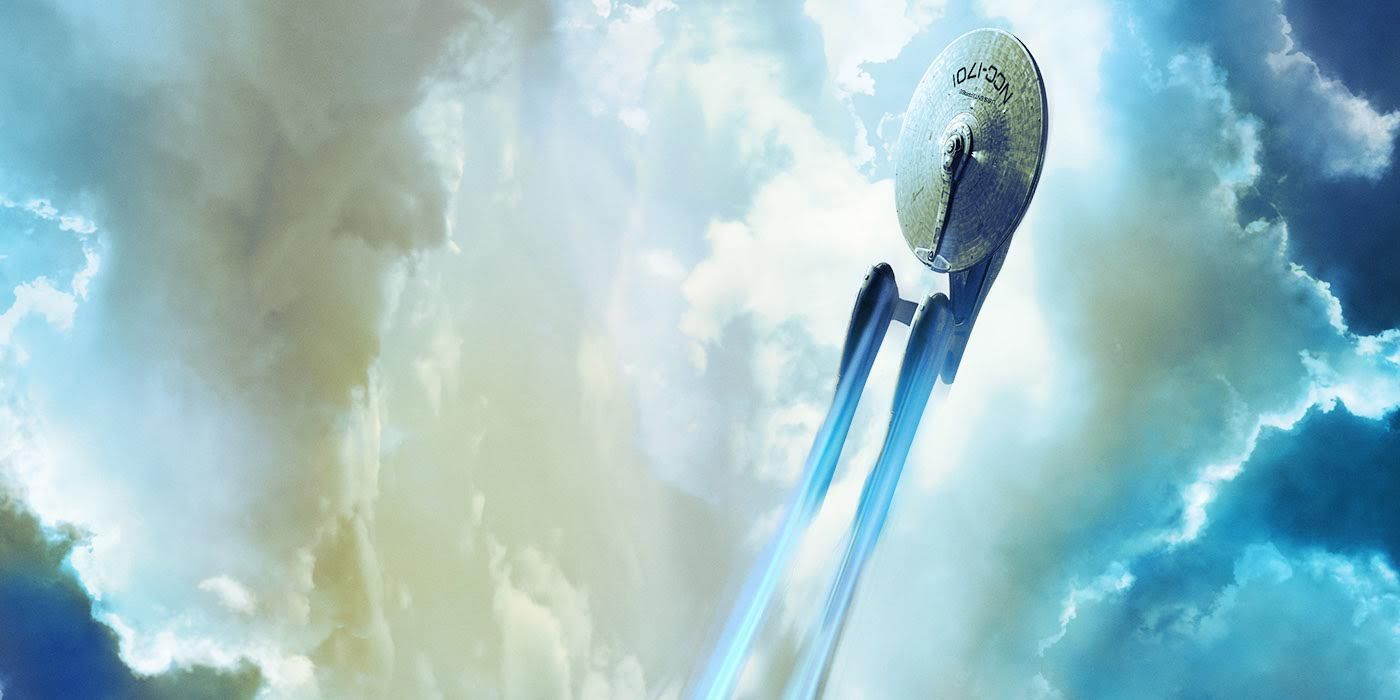
Since the reboot of the franchise was announced with J.J. Abrams at the helm, Star Trek has been rejuvenated. It now boasts a new sense of size and scope the franchise has never seen before. Back in 2009 when the first of the remake/continuation films landed it was met with critical acclaim and admiration from fans alike. This promise of a young, talented cast and a bold new vision quickly dissipated with the sequel Star Trek Into Darkness, a film so caught up in playing homage to its predecessors that it never was able to stand on its own. Now J.J. Abrams has taken a backseat into the producers chair and Justin Lin, director for around half of the Fast & Furious franchise has left his mark on one of pop cultures most beloved and enduring staples. This had the recipe for disaster written all over it, the trailers gave us a glimpse into a film that was having a serious identity crisis, half the cast were discussing how they wanted to move on to other projects and Rihanna launched a new single composed for it. How could this be any more than a failure? As it turns out, it’s a new high for the Star Trek cannon.
Setting off three years into the crew’s five year mission to explore the unknown reaches of space, the Enterprise is attacked and crash lands on an alien world. The team is divided and without rescue, facing an all new threat. This is the narrative that works so well within the franchise, feeling more like an episode in the original series rather than a dour pseudo-continuation. Simon Pegg helped pen the script here and his love for the universe and lore shines through. The pacing is brisk without oversimplifying and the two hour runtime flies by just how an entertaining, closed narrative blockbuster should. Crew members are parted from one another and all given their moments through comedy, action and drama. A particular highlight is Bones and Spock, played by Karl Urban and Zachary Quinto to perfection, trying to navigate this new world and given time to develop. All the characters see a real sense of development here, they are finally moving away from the young, hot-headed types towards the now veteran explorers, who you believe would be envoys for all the good of humanity. Chris Pine as Kirk particularly benefits from this, no longer the idiot who disregards the development and culture of primitive species, but a man that genuinely has a love for his crew and his mission.
Above all this film captures something that has been lost from Star Trek for far too long, its message. A message of hope and unity for the future of humanity, something perhaps needed now more than ever. In this age of Hollywood when grit and darkness takes precedence, this is a refreshing adventure, as inspiring and optimistic and Gene Roddenberry originally envisioned back in 1966.
Comic-Con 2016

So yeah, Comic-Con happened last week, and as usual we got a handful of brief glimpses of what to expect from the cinematic world of geek over the next 12 months or so. For all you super hero and fantasy addicts we’ve put together this short roundup of some of the trailers and films we are most excited about.
All of the macho chest bumping aside though the most exciting thing about Comic-Con this year was the announcement that Brie Larson has been cast as Captain Marvel… which we’re pretty hyped for… it’s a shame we’ll have to wait until 2020 to finally see her in a solo outing, but we live in hope she’ll crop up before then.

So to the trailers:
Doctor Strange
The one thing you can never accuse Marvel of is sticking to type and playing it safe. Since the success of Avengers Assemble the studio has continued to push the brackets of their releases by furrowing into the back catalogues of their source materials and adapting some lesser known heroes to the big screen… and it has worked! The success of Guardians of the Galaxy and Ant- Man have led them to plan a series of daring solo outings which will see the likes of Captain Marvel, The Inhumans and now Doctor Strange make their big screen debuts.
This trailer looks like nothing we have seen from the Marvel universe before, as it introduces the magical multiverse in which Doctor Strange does battle with a myriad of freakishly imbued foes. The fact that our reality is just one of the playing fields for events to unfold on, gives the story many paths to run into. It looks like Doctor Strange will also be the one to take over from Thor in The Avengers line up as the main players shift from Iron Man, Captain America, Thor and Hulk and into Doctor Strange, Spiderman, Captain Marvel and Ant-Man. It looks mythical, bizarre and enthralling. Benedict Cumberbatch is the perfect casting choice for the role too.
Justice League
It’s hard to forget with all the Marvel shenanigans going on that DC are launching their very own extended universe of multiple heroes. However, they’ve gone for the big bang approach and are just chucking all their main players out in one go. Batman, Superman and Wonder Woman all got large amounts of screen time in Batman v. Superman: Dawn of Justice earlier this year to mixed results but Warner Brothers and director Zack Snyder are ploughing ahead with their vision for the DC World with this follow on film. In it we will get good looks at The Flash, Aquaman and Cyborg and maybe even a tease of The Green Lantern. They’re clearly going for the “go big or go home” approach with this film. And they may be right to do so, the DC Heroes are far more ingrained into the public conscience than say someone like Ant Man is. DC also doesn’t have a wealth of adaptable back page characters to mine for future films so it makes sense for them to get all of their marketable properties out into the world as they play catch up with Marvel. Whether it works or not remains to be seen, but two films in they are stumbling a little bit, their hope will surely be that the imminent Suicide Squad gives their brand a much needed kick up the arse. This looks like more of the same really, and not that exciting.
Wonder Woman
I’m sorry, I was rooting for this character all the way through Dawn of Justice but Wonder Woman’s solo outing slated for next year looks pretty tepid. If you ignore the fact that they’ve set the film in World War One, which draws huge comparisons to Captain America: The First Avenger. It all just looks and feels a little bit flat.
If you address the film’s setting, Wonder Woman is an immortal warrior from another planet so why did they pick 1914-1918 as the perfect time for her introduction? World War One was hardly a conflict of good vs. evil. We fought the Germans in that war but it was a war over resources and an escalating arms race (Britain was defending it’s own right to have a Colony and America backed us up) which is a bit peculiar. Captain America fought Nazis and that made sense, this film feels like it’s trying to demonise a race of people who at this point in history had no links to fascism. Unless they chuck an evil alien in there and make him German, yeah that’s probably what they’ll do.
Gal Godot is perfect for the role so hopefully we can forgive the makers of this one for playing fast and loose with history in the hope that she can drive the film forwards and make it worthwhile and stand up with other female fronted blockbusters like The Force Awakens or Ghostbusters. Although I enjoy Chris Pine’s William Shatner impression in the Star Trek films, I did sigh a little bit when I heard he was the love interest. Why does Wonder Woman need a love interest these days anyway, it’d be refreshing if she could just be left alone to be a super hero.
I’m done with super heroes now by the way, just in case you were getting a bit tired of that theme…
Kong: Skull Island
I’ll hold my hands up now and say that I’m really fucking excited for this one. King Kong is one of my all time favourite characters from cinema, so whenever a new iteration comes round the corner I’m sure to get all worked up about it. This new film is set in Vietnam shortly after the end of The Vietnam War, so it’s drawing an excellent message out from the start about persecution and new kinds of warfare being tested on innocent people (or creatures… see what they did there). Where this new version of Kong differs from the others is the pure scale of the monster himself, this is the biggest Kong we have seen on screen yet. Which has been done all with the purpose of this new film leading into the Kong v. Godzilla movie which is due to be released in 2020. A shared universe of Hollywood’s greatest monsters you say… yeah, we’re mega over-excited too. Great cast as well…
King Arthur: Legend of the Sword
Guy Ritchie’s Hollywood renaissance has been something of a quiet miracle, while he hasn’t dazzled in the way other British directors like Christopher Nolan or Matthew Vaughn have since they took similar career paths, he has however managed to provide some muted thrills. His exact skill is lending his directorial eye to existing properties and looking at them from a fresh new angle. Sherlock Holmes, Sherlock Homes: A Game of Shadows and The Man From U.N.C.L.E are all excellent takes on familiar and well loved characters. So I’m looking forward to seeing what he does with King Arthur, especially as he is teaming up here with ex-Sons of Anarchy star Charlie Hunnam. The trailer below does underwhelm slightly, it looks like it is playing to both the realist and fantasy crowds and some of the visual effects do look slightly terrible. It’s hard to get large scale fantasy right on screen, especially in our post-Lord of the Rings world, this is apparently the first in a six part epic of films that will tell the whole tale of King Arthur from prior to his coronation to death, which could span nearly 12 years on screen. It will be on the strength of this film however that the rest of the series is built on so it needs to get off to a strong start. It’s up for debate at present, and it looks like it could be a stinker.
Fantastic Beasts And Where To Find Them
I thought the world had gotten bored of Harry Potter, but how wrong I was! J.K Rowling has managed to reel us all back in this year; first off with her new Potter story The Cursed Child which was performed on stage and released as a script book and she’ll round off her mini resurgence with her debut screenplay adapted from her short story Fantastic Beasts And Where To Find Them just before Christmas. The latter does look like it could be an interesting take. Similar to how Rogue One will take a look at The Star Wars universe from an alternative angle, Fantastic Beasts is set 70 years before the events of the Potter novels and transports us across the pond to New York. Eddie Redmayne is a good choice for an awkward British magician on the hunt for magical creatures, and like the film above, it’s the planned first installment in a new franchise of movies. They might be being a bit presumptuous with this one…
The Defenders, Luke Cage and Iron Fist
Ok, so we came back around to super heroes again… but these ones are on TV so it’s different… sort of. Next year we are due to see, via Netflix of course, The Defenders who are the small screen version of The Avengers made up of; Daredevil, Jessica Jones, Luke Cage and Iron Fist… there’s also a good chance The Punisher could hook up with them as well after he emerged the victor from Daredevil Season 2. Before the whole gang get’s together though we are set to see Luke Cage Season 1 before the year is out, and then next year also Season 1 of Iron Fist. These grittier darker Marvel properties are almost as popular as the films themselves, and will be interesting to see where they go from now as they begin to become more complex and intertwined.
And with that we’re done with our round up!
Must See Movies: August

At Reel Steel we want to make sure you’re getting the most of your cinematic enthusiasm, so each month we put together our short list of some of the best new releases, from popcorn munching explosion fests to the often weird and wonderful.
Take a look at the trailers below and see what you think to this month’s recommendations!
Suicide Squad
released Friday August 5th, 2016
One of the year’s most anticipated comic book adaptations finally arrives – the Suicide Squad are a gang of villains and criminals, put together and forced into service by the US government.
With 2016 having already seen several offerings of superhero blockbusters, from Batman v Superman to Captain America: Civil War, this anti-hero feature will offer an alternative (much like this year’s surprise hit, Deadpool) to the usual rule book.
Sweet Bean
released Friday August 5th, 2016
A beautiful tale of a Japanese bakery, transformed through a partnership of its owner and an eccentric 76 year old woman.
It’s an intimate film about humanity that glows as the relationship develops into more than just about food.
Wiener-Dog
released Friday August 12th, 2016
Wiener-Dog is the story of a single dog, and the many different people she touches over her lifetime as she is passed from home to home.
As we meet each of her owners – a cast which includes Danny DeVito and Greta Gerwig, this dark comedy of four stories offers an eccentric and honest look at life.
Ghostbusters

2016 – USA
Director: Paul Feig
Starring: Kristen Wiig, Melissa McCarthy, Leslie Jones, Kate McKinnon, Chris Hemsworth
Words: R. Topham
From the theme song to the iconic one liners, the original Ghostbusters was one of the 20th century’s most recognisable hits. But the dedication and wrath of the film’s fans only became disturbingly evident when it was announced that Bridesmaids director Paul Feig would be at the helm of a reboot replacing the iconic team of ghoul catchers with women. Some say they simply oppose a reboot all together. Others are more forthright in their disapproval of Melissa McCarthy et al. taking over the reins from Bill Murray et al.
Parallels can be drawn between the dismissal of the team’s paranormal findings and the criticism surrounding the film’s gender role reversal. The New York mayor, colleagues, and even Bill Murray’s cameo character attempt to silence the group as fraudulent theorists faking their video evidence for attention. In real life, everyone from Donald Trump to the keyboard warriors trolling Twitter jumped on the naysayers bandwagon, denouncing the film as a failure before it was even released. But the equivocations should, and can, be put to rest. We’re entering a new era of opportunity for women in Hollywood, and Ghostbusters is another feather in the betterment cap.
Ghostbusters celebrates a demographic seldom scripted into major Hollywood features: not just women in general, but intelligent women in skilled positions that happen to be pretty hilarious too. Wiig and McCarthy’s characters are legitimate scientists and published authors, Kate McKinnon brings all the laughs in her role as eccentric engineer Jillian Holtzmann, and Leslie Jones’s subway worker Patty is neither a physicist nor a dab hand with a screwdriver but her passionate knowledge of New York is just as valuable as any physics equation or wacky gadget.
It may not be a riotous chuckle-fest like Bridesmaids or The Heat, but Feig’s Ghostbusters does allow for the leading ladies to put their comedy chops to good use and is a tasteful tribute to the original. What’s more, the film proves an especially welcome change in that it doesn’t explicitly scream “girl power!” at every opportunity. There is no unnecessary romance subplot justified as an ‘appeal’ to younger girls, and there are no gimmicky references to female stereotype, it is what it is – just a group of paranormal enthusiasts joining forces when there’s something strange in your neighbourhood and saving Manhattan from vengeful apparitions.
The Neon Demon

2016 – UK, France, Denmark, USA
Director: Nicolas Winding Refn
Starring: Elle Fanning, Jena Malone, Abbey Lee Kershaw, Bella Heathcote, Keanu Reeves, Karl Glusman
Words: N. Scatcherd
Nicolas Winding Refn’s vivid, neon-stained visual sensibilities and fetishistic eye for beauty are a perfect fit for the glitzy, glamorous, but ultimately cut-throat world of modelling. Sex and violence are two major preoccupations of Refn’s, and both are viewed with the eye of a voyeur; he seems to be indicating that beauty, no matter how perverse, can be found in both.
His precisely-composed shots make every frame feel like an art installation, but there is not so much a dominance of style over substance as there is an effective melding of the two. There’s a weird subversive pleasure in watching this movie which, visually, often has the style of a Dior advert or something similar, only with some genuine threat and tension building under the surface from the first scene, and just filling up the whole thing until it descends into nightmarish giallo horror.
Its depiction of (specifically) young, female beauty, and the subsequent powers and traps that come with being beautiful, could be read in a couple of different ways depending purely on the spectator’s point of view – it seems to both celebrate narcissism and warn of its dangers (occasionally with a pitch black sense of humour), and is bound to repulse some for being ‘too violent’ or ‘too artsy’. Some have accused it of being misogynistic, which I would disagree with, but surely it’s a testament to the film’s power that it can inspire such polarised reactions.
Sixteen year old Jesse (Fanning) is an aspiring model who comes out to Los Angeles and is immediately swept up in the intensely competitive world of modelling, wherein every physical feature is coldly analysed (Refn’s camera finds a body-horror style fascination with exposed flesh, and one scene – featuring a terrifying Keanu Reeves as a predatory motel owner – is one of the most intense scenes I can remember sitting through in a while, melding sex and violence together in a way which is profoundly uncomfortable and difficult to forget).
Fittingly, The Neon Demon is a film composed of extreme images, although the performances are generally excellent. Refn has spoken of his interest in the theme of transformation in his films, and that can certainly be seen in Jesse’s emergence from frail, new-girl nervousness into a young woman who is greatly aware of her pull on those around her, as her fellow models begin to obsessively crave the perceived ‘it factor’ Jesse possesses. Jena Malone stands out as the make-up artist who takes Jesse under her wing, with her own obsession with the young girl ramping up steadily until the film’s incredibly intense third act.
The Neon Demon is further proof of Refn’s interest in zigging rather than zagging (moving from such low-budget, street-level crime films as the Pusher trilogy, through to the coked-up pantomime insanity of Bronson; the mystic Viking road movie Valhalla Rising; the cult hit Drive to the much more divisive, elliptical, almost wordless Thai revenge thriller Only God Forgives; the man doesn’t seem to like repeating himself). This may well be one of his strongest, boldest films and it deserves to be experienced – love it or hate it, it will certainly leave an impression long after you’ve seen it.
Net Picks: The Look of Silence
Net Picks is your weekly digest of some of the best movies and TV shows currently doing the rounds on streaming sites such as Netflix, MUBI, Amazon Prime, Curzon Home Cinema and On Demand services such as Freeview and Sky Movies.
2015
Director: Joshua Oppenheimer
Currently streaming on: Netflix
Words: J. Senior
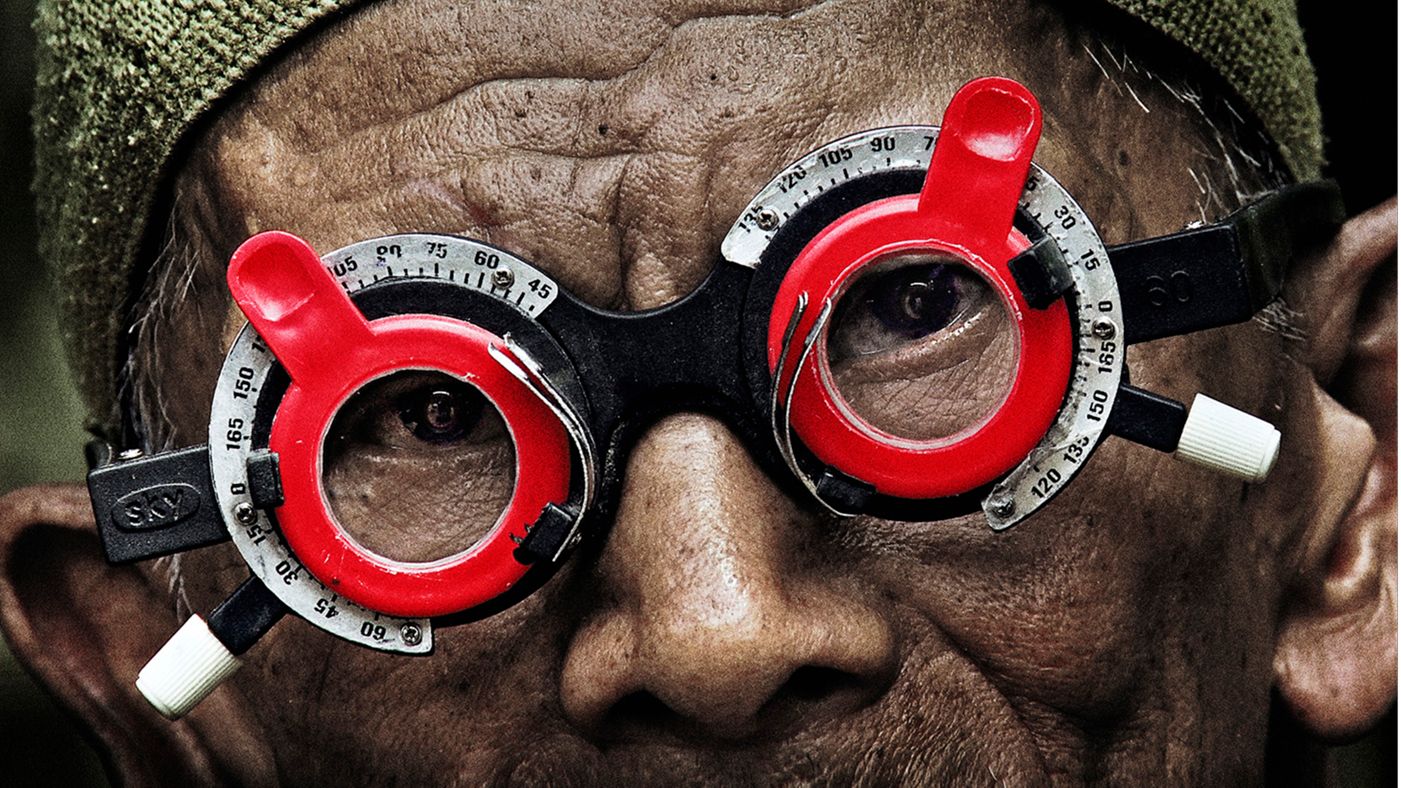
Joshua Oppenheimer’s follow up to the searing and disturbing The Act of Killing is again a tough watch, and a stunning evocation of the documentary format. Oppenheimer tones down the scale of his approach with this installment into his investigations of the Indonesian Genocides of the 1960’s. Where the previous film used staged performances of mass killings by the men who initially performed them, The Look of Silence uses interviews interspersed with cinema verite observations of the surrounding landscapes to create a juxtaposition in the material. It’s almost like a dream that fluctuates into short bursts of nightmare.
We follow a man, an optomestrist named Adi Rakun, as he seeks out the men who butchered his brother to death in public, a murder that was infamous in the region for its brutality. Adi acts as our guide through the film, offering free eye exams as a method of questioning and interrogating those responsible for the death of his brother. He is attempting to understand a time before he was born and to paint a more solid picture of his brother’s final moments. He does so by putting himself and his own family at intense risk of exposure to the still ruling regime’s harsh punishments. All to try and come to grips with the loss of a family member who died before he was even born.
This film is an assault on the senses and the mind; you hear in detail the method’s and procedures used to kill people en-mass and your imagination works on overtime to try and help you visualise the violent acts which are described and at times even bragged about. The officials responsible for the genocides believed they were taking part in a revolution and cleansing of Communists in the country. What we see briefly in this film is evidence of a psychotic phenomenon, a culture was provided where murder and sadism were encouraged. The men that sought and craved this behaviour were rewarded with power and influence. Adi manages to show how bizarre and frightening human nature is in his pursuit of his own goals. It’s fascinating and deeply haunting all at once.
The film is also a visual painting of trauma and how it can consume you. Adi’s parents have failed to move on from the murders and it has cast a dark shadow over their lives, having lived far beyond their years full of regret and feat that they may suffer the same fate as their deceased son.
It may not be a film to entertain or enthrall an audience, it sure isn’t escapism. But in terms of cinematic craft and intrigue The Look of Silence is one of the most important pieces of cinema in modern history. Providing a keen and unflinching view of life lived in such a different way to our own. It makes Brexit seem like a pantomime…
Tale of Tales

2016 – Italy, France, UK
Director: Matteo Garrone
Starring: Salma Hayak, John C. Reilly, Vincent Cassell, Toby Jones
Words: R. Topham
Picture what Game of Thrones would be without the Northern accents, extreme misery and gore, and that’s kind of what Matteo Garrone’s adaptation of 17th century fairy tales by Neapolitan poet Giambattista Basile is like. The three main interweaving stories of the film are based on a collection of the latter’s works: The Enchanted Doe, The Flea and The Flayed Old Lady, with incorporated elements from other tales. Mix a gigantic flea with the maternal paranoia of a heart-munching queen, plus a horny king and his metamorphic love interest, and the results should be a fantastical folklore deluge. Alas, ‘tis not.
A dismal alternative to the sprightly live-action versions of Cinderella and Snow White, it’s a visual journey of turmoil that sufficiently adheres to its baroque origins. Though it’s refreshing to see an Italian production released en masse in the UK and US, it’s kind of the film equivalent to Sheffield’s Cheesegrater car park – artfully crafted and interesting to look at from the outside, but disappointing and hollow on the inside. It’s difficult to recommend any memorable moments or dramatic highlights, because it is, essentially, a collage of grand locations and even grander costume design. And the dubbing of the necromancer is so shambolic it’s almost parody.
Perhaps the most tedious element is that it panders to every common stereotype of gender characteristics in historical fantasy dramas. “But it’s based on material that’s 400 years old!” I hear you cry – yes it is. Material that influenced the modern versions of Cinderella, Rapunzel, and Sleeping Beauty, in fact. But it’s archaic context provides an incredibly tired and somewhat grating dialogue as well as a pool of uninspiring, overacted characters that test your forbearance. Fellow critics have described the film as “delightful” because of its exploration of colour as a tool for exemplifying emotion, and because Salma Hayek can act sad from time to time, but is that enough sustenance, given the calibre of films released this year?
 REEL STEEL
You must be logged in to post a comment.